
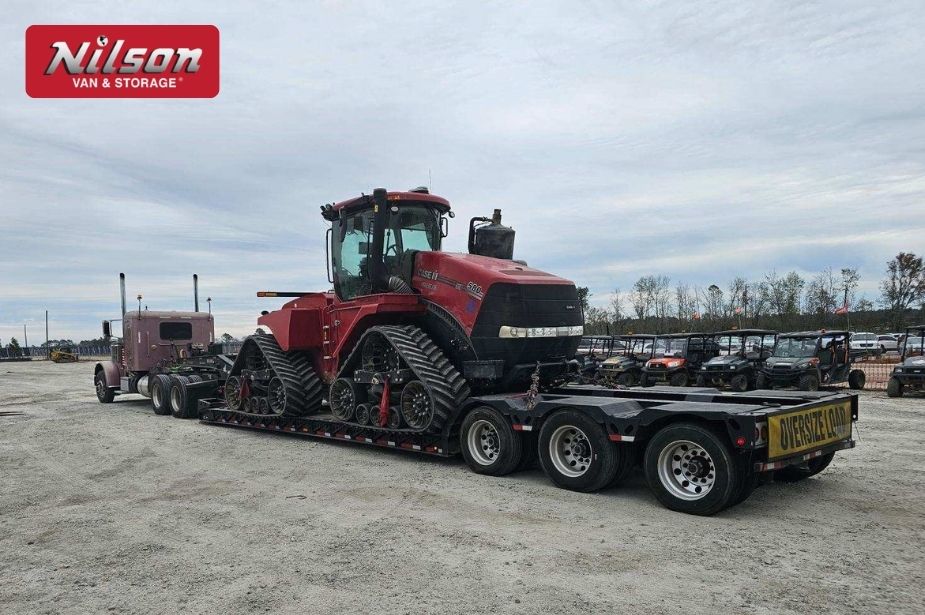
Top 5 Ways to Save Money on Heavy Haul Transportation in Texas
Heavy haul transportation in Texas can become expensive quickly when equipment dimensions, route requirements, loading conditions, and delivery timing are not addressed early. A lower initial estimate may also become a higher final bill if the shipment requires additional permits, route adjustments, specialized loading, or waiting time.
For heavy haul transportation, this detail helps keep the plan practical and clear.
This guide explains five practical ways to control heavy haul transportation cost without treating the lowest quote as the only objective. You will learn how to prepare accurate equipment information, compare transportation options, reduce avoidable delays, plan for Texas route conditions, and choose a logistics company for heavy haul transportation with clearer expectations.
Build an Accurate Shipment Profile Before Requesting Quotes
The first place many heavy equipment owners lose money is before the carrier ever prices the move. A transportation provider can only plan accurately when the shipment description reflects the actual equipment, attachments, loading conditions, and delivery requirements. Missing information often leads to allowances in the quote or revisions after planning has already begun.
Measure the Equipment as It Will Travel
Do not rely only on the machine’s standard manufacturer dimensions. Measure the equipment in the configuration that will be transported. Include detachable or fixed attachments, buckets, booms, counterweights, blades, outriggers, mirrors, exhaust components, and any parts that change the total width or height. Heavy haul transportation planning works better when this point is confirmed early.
Record at least these details:
- Overall length, width, and height in transport configuration
- Approximate operating and transport weight, including attachments
- Whether the machine can be loaded under its own power
- Ground clearance, tire or track condition, and tie-down points
- Pickup and delivery addresses, site contacts, and requested dates
A few inches can affect the trailer choice, route planning, permit requirements, or escort needs. Weight can be just as important as size. Two machines with similar dimensions may require very different equipment because their axle distribution and total weight differ.
Document Loading and Delivery Conditions
A quote based on a machine being ready at a wide-open yard may not apply if the equipment is inside a building, behind a gate, on uneven ground, or located where a trailer cannot position directly beside it.
Explain how the machine will be loaded and unloaded, including whether a crane, forklift, loading dock, ramp, or other site equipment is available.
Also identify restrictions at both ends of the move. Downtown construction sites, industrial parks, residential developments, ports, and rural job sites can each create different access challenges. A delivery address that appears accessible on a map may have low clearances, narrow entrances, weight restrictions, soft shoulders, or limited turning space.
A stronger heavy haul transportation starts with clear information rather than guesses.
Ask What the Quote Includes
A useful heavy haul quote should make clear what is included in the transportation plan. Ask whether the estimate addresses loading assistance, permits, escorts, tolls, fuel-related charges, storage, waiting time, and any special handling. Not every shipment requires every item, and requirements can vary by route and equipment configuration.
It is also important to distinguish transportation charges from charges caused by a change in shipment conditions. If the machine dimensions change, the pickup site is not ready, or the delivery location becomes unavailable, the transportation plan may need to be revised.
Clarifying those conditions at the beginning gives you a better basis for comparing bids. That is why heavy haul transportation should be organized around access, timing, and services.
Choose the Right Equipment and Service Arrangement
The lowest-cost trailer is not always the least expensive transportation option. The right equipment depends on the machine’s dimensions, weight, center of gravity, loading method, route, and delivery conditions. Selecting a trailer that is not suited to the shipment can create extra handling, delays, or a last-minute change in equipment.
Match Trailer Capacity to the Actual Load
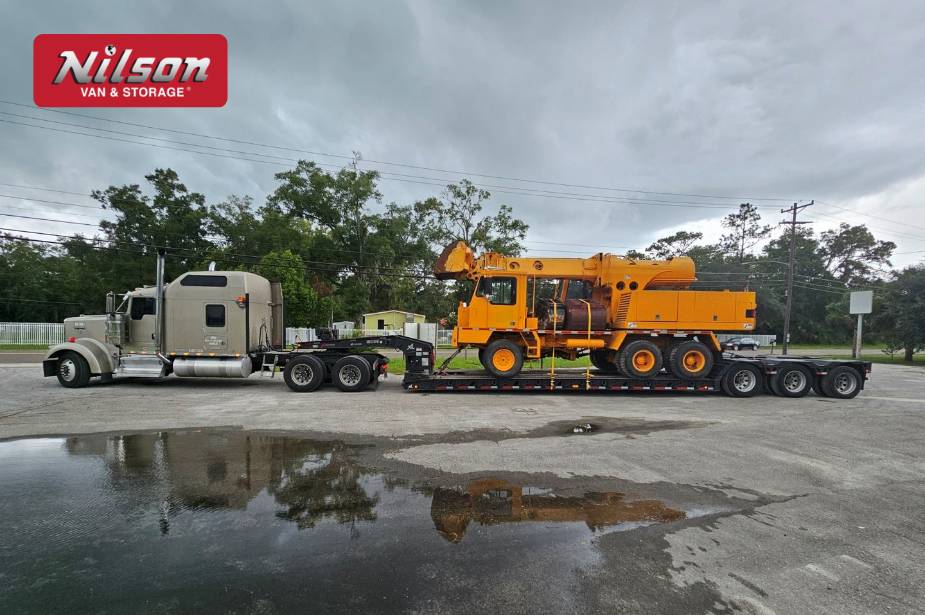
Heavy equipment hauling may involve lowboys, step decks, flatbeds, removable goosenecks, specialized trailers, or other configurations. The appropriate choice depends on the shipment rather than the name of the service.
Height is a major consideration because loading a tall machine onto a high deck can create clearance problems even when the total weight is within capacity.
A trailer with more capacity than necessary may cost more, but a trailer that cannot accommodate the shipment can be far more expensive once the move is underway. Ask the provider to explain why the proposed equipment fits the machine and route.
That explanation is often more valuable than a general statement that the trailer is available. With heavy haul transportation, small details can change the schedule and final scope.
Decide Whether the Equipment Should Be Partially Disassembled
Removing a boom, counterweight, bucket, blade, or other component may reduce overall dimensions and make transportation more practical. It can also add labor, equipment, packaging, and reassembly time. The correct decision depends on the component, the site, available personnel, and the cost difference between the transportation configurations.
A simple comparison can help:
| Option | Possible Advantage | Cost Consideration |
| Transport fully assembled | Less preparation and handling | May require a larger trailer or more route planning |
| Remove selected attachments | May reduce width, height, or weight | Adds labor, equipment, labeling, and reassembly needs |
| Ship components separately | Can simplify the primary load | Creates additional pieces to coordinate and track |
For example, removing a counterweight may improve the overall shipment profile, but only if the pickup and delivery sites have the equipment and personnel to handle it properly. A provider should evaluate the complete move instead of assuming disassembly always saves money.
You May Also Like: Planning a heavy haul move to Germany? Learn about specialized transportation, route planning, permits, equipment, and key considerations for international heavy hauling.
Compare Exclusive Use and Consolidated Options Carefully
A exclusive use move may be appropriate when the equipment is time-sensitive, the shipment requires a specific trailer, or the pickup and delivery schedule cannot shift. If the timeline is flexible and the shipment qualifies, a consolidated or partially shared arrangement may offer a lower transportation cost.
Nilson Van and Storage can use this heavy haul transportation information to coordinate the right support.
The trade-off is control. A shared arrangement can involve less flexibility around pickup dates, routing, or delivery timing. It may not be a good fit for equipment needed at a job site on a fixed date.
Ask what flexibility is required in exchange for the lower price and whether the arrangement creates additional loading or transfer points.
Read also: Planning an Industrial Machinery Move? A Guide to Heavy Equipment Transport in Blythewood, SC
Work With a Provider That Can Explain the Plan
Whether you are comparing heavy equipment shipping providers, long distance movers with specialized capabilities, or a logistics company for heavy haul transportation, focus on planning clarity. The provider should be able to discuss the equipment fit, shipment assumptions, pickup and delivery responsibilities, and conditions that could change the estimate.
Nilson Van and Storage can be a practical point of contact for customers whose moving needs fit the company’s verified service capabilities and operating areas. Because Texas heavy haul requirements depend on the shipment and route, request a project-specific review rather than assuming a standard residential moving process applies.
Good heavy haul transportation preparation also gives customers more control over the next step.
Tell us about your move and get a personalized quote based on your requirements. 
Reduce Delays That Increase heavy haul transportation Cost
Transportation time is not the only cost affected by delays. A truck and crew may be committed while equipment is being prepared, a site is waiting for access, or paperwork is being corrected. Delays can also disrupt a construction schedule, interfere with subcontractors, and create storage or rescheduling needs.
Make the Pickup Site Ready
Before the scheduled pickup, confirm that the equipment is accessible, disconnected from utilities, cleared of loose materials, and prepared according to the provider’s instructions. Remove personal items, tools, fuel cans, unsecured parts, and materials that are not part of the transportation plan. The right heavy haul transportation plan reduces confusion before the move is underway.
If the machine is in an active work area, coordinate a suitable staging location. The provider needs enough room to position loading equipment and complete the work without having to move unrelated vehicles, materials, or temporary structures first. A site contact should be available to answer questions and approve the loading condition.
Prepare the Delivery Site at the Same Level of Detail
A common mistake is to plan pickup carefully while treating delivery as a simple address. The destination should be ready for the actual trailer and machine, not just for a passenger vehicle. Confirm entry instructions, gate hours, surface conditions, unloading space, site contact information, and any building or property management requirements.
For a job site, coordinate with the superintendent or equipment manager. For a commercial property, confirm whether the delivery must occur during a particular access window. For a rural location, provide the most accurate entrance details possible, including a recognizable staging point if the mailing address does not lead directly to the unloading area.
Every heavy haul transportation decision should connect back to the actual inventory and access conditions.
Keep Documents and Contacts Consistent
Use the same equipment description, dimensions, weight, addresses, and contact names across the quote request, purchase order, shipment instructions, and delivery paperwork. Inconsistent information creates questions at the point when the schedule is tightest.
It also helps to establish one decision-maker for changes. If the provider receives different instructions from a project manager, equipment owner, and job-site contact, the resulting delay can be difficult to resolve. Decide in advance who can approve a schedule change, added service, or revised delivery plan.
Avoid Last-Minute Date Pressure When You Can
Urgent transportation is sometimes unavoidable, especially when a project changes unexpectedly. However, flexible scheduling generally gives the provider more opportunity to evaluate equipment, route requirements, and available capacity. If your project has a delivery window rather than one mandatory date, say so when requesting the quote. Clear heavy haul transportation communication helps prevent last-minute surprises.
A few days of flexibility may help you compare options more effectively. It may also reduce the likelihood of paying for an emergency arrangement when a planned shipment would have met the project’s actual needs. Flexibility does not guarantee a lower price, but it gives the transportation planner more choices.
You May Also Like: Need to transport heavy equipment in Columbia, SC? Discover how specialized equipment transport services can help move oversized and valuable machinery safely and efficiently.
Plan the Texas Route and Permit Requirements Early
Texas can involve long distances, major metropolitan areas, rural highways, construction zones, toll roads, and changing site conditions. Oversize load shipping is therefore a planning exercise, not simply a matter of assigning a truck to an address. The route, dimensions, weight, timing, and local requirements all influence the transportation plan.
Treat Dimensions as Route Information
Height affects overhead clearance. Width affects lane use, access, and potential escort requirements. Weight affects axle configuration, bridges, road restrictions, and permit considerations. Length affects turning space and maneuverability. These factors must be evaluated together. Early heavy haul transportation coordination can make the moving process easier to manage.
A route that appears shorter on a map may not be the most practical route for a particular load. A longer route may avoid a restrictive bridge, difficult urban access, or a low-clearance area. The best route is the one that fits the shipment and delivery conditions, not automatically the one with the fewest miles.
Confirm Who Handles Permits and Related Planning
Ask the provider whether permit coordination is included in the proposed service and which party is responsible for supplying accurate equipment information. Requirements can vary based on the load, route, jurisdiction, and current conditions. A transportation company should not be expected to correct incomplete or inaccurate dimensions after the planning process has begun.
Professional heavy haul transportation support is most useful when the details are documented in advance.
Clarify how changes are handled if the equipment configuration, pickup address, delivery address, or requested date changes. A permit or route plan based on one configuration may not apply to another. This is one reason an early, accurate shipment profile helps control the overall heavy haul transportation cost.
Consider Urban Access and Worksite Timing
Houston, Dallas-Fort Worth, Austin, San Antonio, and other Texas metro areas may create access considerations that do not appear in a basic mileage estimate. Traffic patterns, construction activity, restricted delivery windows, gated facilities, and limited staging space can affect the schedule.
If the destination is near a downtown district, airport, port, hospital campus, or large industrial facility, ask about building or property coordination. A delivery may need to be scheduled around site operations rather than simply placed on the first available date.
Rural deliveries have their own concerns, including unmarked entrances, limited turning areas, and changing road surfaces near the job site. For heavy haul transportation, this detail helps keep the plan practical and clear.
You May Also Like: Looking for container drayage services in Mount Pleasant? Learn how drayage services help move shipping containers between ports, terminals, warehouses, and other locations efficiently.
Compare Quotes by Total Value, Not Just the Initial Price
Comparing heavy haul transportation quotes requires more than placing numbers side by side. Two estimates can differ because they assume different trailer types, service levels, loading responsibilities, schedules, or access conditions. The lower figure may be appropriate, but only after you confirm that both quotes describe the same move.
Build a Quote Comparison Worksheet
For each provider, record the equipment description, estimated dimensions, weight, trailer type, pickup date, delivery window, and included services. Then note any exclusions or conditions that could change the amount. This turns a vague price comparison into a practical review of the transportation plan.
Pay particular attention to:
- Loading and unloading responsibilities
- Permit, escort, toll, fuel, storage, waiting, and access-related charges
- Change-order conditions and cancellation terms
- Communication expectations and the person responsible for shipment updates
The purpose is not to force every provider into identical wording. It is to identify where one estimate assumes that the customer will provide labor, equipment, access, or schedule flexibility that another provider has included. Heavy haul transportation planning works better when this point is confirmed early.
Ask About Valuation Coverage
Heavy equipment can represent a substantial financial investment, so ask what valuation coverage applies to the move and what conditions or limits should be understood before scheduling. Valuation coverage has its own terms, and it should not be treated as a substitute for reviewing your own equipment or business policies.
Request the applicable information in writing and ask questions about documentation, exclusions, and claim procedures before the shipment begins. Keeping photographs, serial numbers, equipment records, and condition notes can also make the shipment file more complete.
Read more: Heavy Equipment Transport in Mount Pleasant, SC: What to Expect on Moving Day
Understand Binding and Non-Binding Terms
The quote structure may depend on the type of move and the governing requirements for the service. For Nilson Van and Storage, local and intrastate moves in South Carolina are non-binding; that policy does not automatically determine how a Texas heavy haul shipment will be quoted.
Ask for the terms that apply specifically to your origin, destination, and service. A stronger heavy haul transportation starts with clear information rather than guesses.
Likewise, do not assume that a change in equipment configuration or access conditions will leave the original estimate unchanged. A professional quote should explain its assumptions so you can understand which parts of the cost are established and which depend on information still being confirmed.
Look at Communication as an Operating Cost
A provider that communicates clearly can help you identify problems before they become schedule disruptions. You should know who is coordinating the shipment, how pickup and delivery updates are handled, and what information the provider needs from you.
This matters especially when a general contractor, equipment owner, broker, and job-site manager are all involved. Clear communication reduces duplicate instructions and makes it easier to respond when weather, site access, equipment readiness, or project timing changes. That is why heavy haul transportation should be organized around access, timing, and services.
Our moving experts are here to assist you.
Create a Reusable Heavy Equipment Shipping Process
The most effective way to save on repeated heavy equipment hauling is to improve the process after every shipment. A single move may be unusual, but the information gathered from it can make future moves faster to plan and easier to compare.
Keep an Equipment Information File
Create a record for each frequently transported machine. Include current dimensions in transport configuration, weight information, attachment details, serial number, photographs, loading requirements, tie-down or handling notes, and the best site contacts. Update the file whenever an attachment or configuration changes. With heavy haul transportation, small details can change the schedule and final scope.
This file does not replace a provider’s review. It simply gives the transportation planner a more accurate starting point. It can also help your team request comparable quotes instead of rebuilding the shipment description from memory each time.
Record What Caused Additional Charges
After delivery, note whether the shipment required extra labor, a site change, storage, waiting time, route adjustment, equipment disassembly, or a revised appointment. The purpose is not to assign blame. It is to identify preventable cost drivers.
For example, if a machine could not be loaded because a gate was locked, the improvement may be a better site-contact procedure rather than a different carrier. If an attachment created a height issue, the improvement may be a standard transport configuration for future shipments.
Small process changes can have a meaningful effect when equipment moves repeatedly between Texas sites or across state lines. Nilson Van and Storage can use this heavy haul transportation information to coordinate the right support.
Use the Right Provider for the Actual Move
A local move, an in-state move, and a long-distance shipment may involve different planning needs. Some customers search for in state movers Texas when they are moving equipment between Texas locations, while others need long distance movers for a shipment that crosses state lines.
The label matters less than whether the provider understands the equipment, route, and service requirements.
When evaluating a provider, ask direct questions about the proposed service rather than relying on a broad marketing category. Can the company review the equipment profile? Can it explain the trailer choice? Will it coordinate the relevant shipment details? Does the quote identify assumptions and exclusions?
These questions help separate a suitable arrangement from a generic transportation estimate.
Nilson Van and Storage supports moving and storage needs in its established service areas, including Columbia, Myrtle Beach, Charleston, Sumter, and Savannah.
If your project connects with those areas or involves a related move that fits the company’s current capabilities, a coordinator can review the details and explain whether the requested service is an appropriate fit. Texas-specific availability and heavy haul scope should be confirmed for the individual shipment rather than assumed.
Good heavy haul transportation preparation also gives customers more control over the next step.
Wrapping Up
The best way to lower heavy haul transportation cost in Texas is to reduce uncertainty before the equipment is assigned to a truck. Accurate dimensions, the right trailer, ready pickup and delivery sites, early route planning, and a detailed quote comparison all help prevent avoidable revisions and delays.
The cheapest estimate is not always the best value if it leaves loading, permits, access, waiting time, or valuation coverage unclear. Ask providers to price the same shipment assumptions, document the equipment condition, and explain what could change the plan.
Whether you need heavy equipment shipping within Texas, oversize load shipping, or a longer-distance move connected to a broader relocation project, start with a complete equipment profile and a realistic schedule.
Nilson Van and Storage can review applicable moving and storage needs within its verified service scope, while Texas heavy haul requirements should be confirmed for your specific origin, destination, equipment, and route. The right heavy haul transportation plan reduces confusion before the move is underway.
Make us one of your preferred sources on Google!


FAQs - heavy haul transportation
Our Recent Articles
Stay informed and inspired with the latest tips, insights, and updates from the Nilson Van and Storage blog. From expert packing advice and moving checklists to stories about our commitment to the community, our articles are here to make your relocation journey smoother and stress-free. Explore our recent posts to discover how we’re redefining the moving experience for Columbia, Myrtle Beach, Charleston, Sumter, Savannah, and beyond.
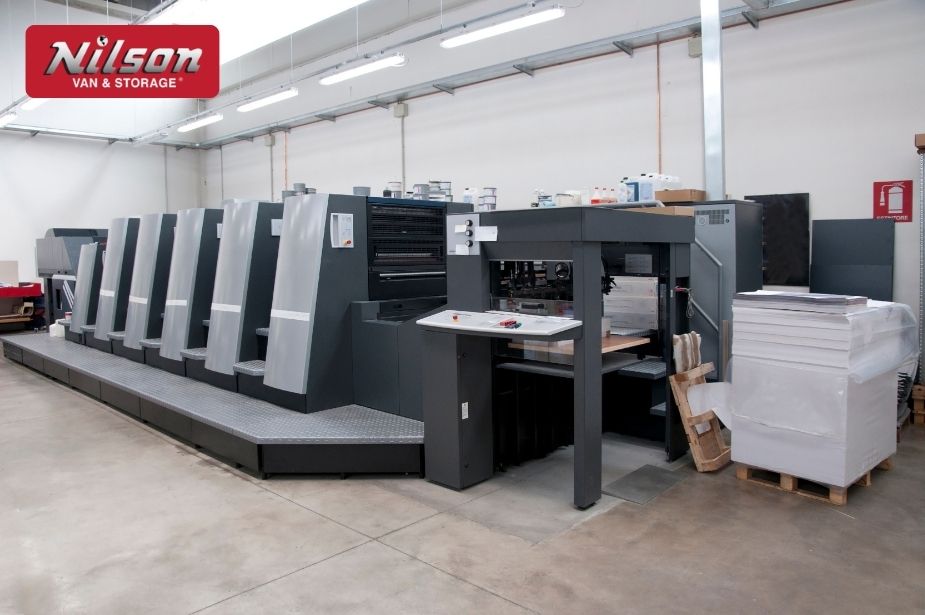
Printing Press Movers in Sumter: What to Ask Before Booking

Why Hotels Need a Reliable FF&E Logistics Partner for Renovation Projects