
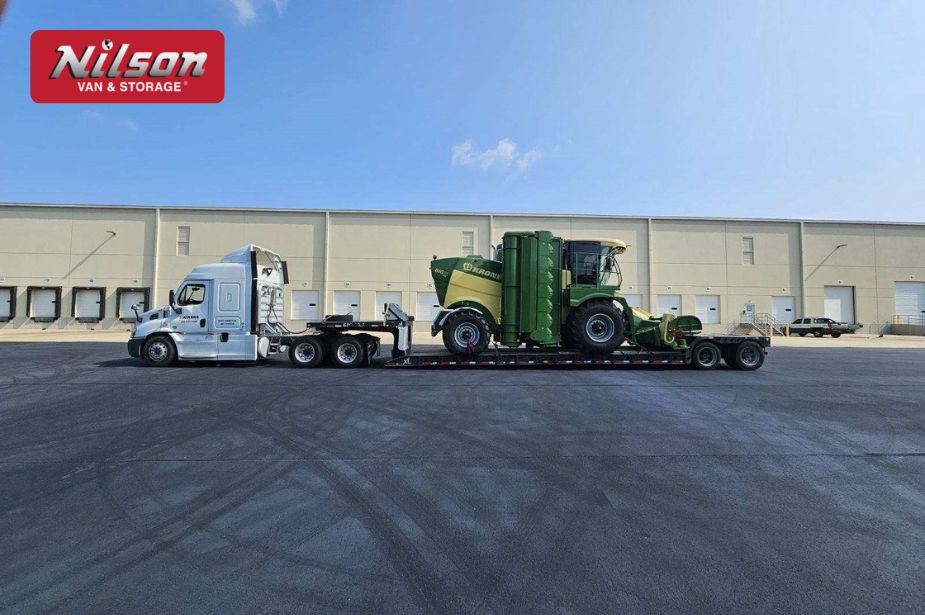
Heavy Equipment Transport in Mount Pleasant, SC: What to Expect on Moving Day
Heavy Equipment Transport in Mount Pleasant, SC, requires more than arranging a truck and choosing a delivery date; the equipment, property, access route, and receiving area all have to work together. Whether you are moving a skid steer to a residential renovation, delivering machinery to a construction site, or relocating equipment between East Cooper properties, moving day can become complicated quickly when details are missed.
This guide explains what to expect before, during, and after delivery, including site access, loading and unloading heavy equipment, equipment dimensions, scheduling, documentation, and communication. You will also learn which questions to ask when comparing equipment hauling Mount Pleasant SC providers and when it makes sense to request help from an experienced moving company.
Planning Heavy Equipment Transport in Mount Pleasant, SC
Good equipment transport begins well before the truck arrives. The most successful deliveries usually have one thing in common: the shipper, transporter, and receiving site have discussed the practical details in advance. That conversation helps identify access challenges while there is still time to adjust the plan.
Start With the Equipment Profile
Begin by documenting exactly what will move. The transporter may need the equipment type, make and model, dimensions, approximate weight, operating condition, and any attachments that will travel with it. A compact excavator with a detachable bucket presents different loading and space requirements than a larger machine with a fixed boom or raised components.
Take clear photographs from several angles. Include the tires or tracks, attachment points, control area, and any parts that extend beyond the main frame. Photos do not replace verified measurements, but they help the moving team understand the equipment’s shape and identify questions before dispatch.
If the machine is not operational, say so at the beginning. Equipment that cannot start, steer, brake, or move under its own power may require additional loading arrangements. Assuming a non-running machine can be treated like an operational one is a common source of last-minute delays.
Confirm the Pickup and Delivery Conditions
A transport plan should cover both ends of the move. At pickup, identify who will release the equipment and whether the machine is already positioned for loading. At delivery, identify who will receive it, where it should be placed, and whether the site has a suitable unloading area.
Mount Pleasant properties can vary considerably. A commercial lot may have a broad entrance but limited maneuvering room near the building. A residential site may have a narrow driveway, landscaping, overhead branches, drainage features, or freshly installed hardscape that affects placement. Construction sites can change from week to week, so conditions should be checked again close to the delivery date.
Ask the property owner, general contractor, site manager, or building representative about local requirements. A planned delivery may need coordination with a property manager, a neighborhood association, a roadwork schedule, or a designated loading area. Requirements vary by property and municipality, so the responsible party should verify applicable permissions and restrictions rather than relying on assumptions.
Build a Practical Information Sheet
A short equipment and site information sheet keeps different people working from the same details. Include:
- Equipment dimensions, weight, attachments, and operating condition.
- Pickup and delivery addresses, contact names, phone numbers, and access notes.
- Preferred delivery window, placement instructions, and known property restrictions.
At Nilson Van and Storage, this type of information gives coordinators a clearer starting point when discussing a heavy equipment move. It also helps you receive a more useful estimate because the request reflects the actual job rather than a vague description such as “move a large machine.”
A request for a free moving quote should be based on the equipment and access facts you can provide. If some details are unknown, say so. It is better to identify an open question than to make a guess that changes the move later.
What Happens Before the Truck Arrives
The days leading up to delivery are when most preventable problems can be addressed. A professional equipment hauling plan is not only about transportation; it is also about confirming responsibilities, timing, access, and the condition of the equipment.
Review Dimensions and Clearance
Measure the widest, tallest, and longest configuration that will be transported. Consider mirrors, booms, buckets, forks, outriggers, counterweights, removable cabs, and other components. If an attachment can be removed, confirm who will remove it, where it will travel, and how it will be secured or protected during the move.
At the delivery site, look beyond the driveway entrance. The truck may need room to approach, position, turn, and leave after unloading. Check for low branches, utility lines, gates, retaining walls, parked vehicles, slopes, soft shoulders, drainage structures, and construction materials. Measurements should be taken at the narrowest points, not only at the property entrance.
Do not assume that a route that works for a passenger vehicle will work for a loaded transport vehicle. A route may be open to ordinary traffic but unsuitable for the equipment’s height, width, turning needs, or final approach. The transport coordinator can discuss what information is needed to evaluate the move, while the property owner or site manager remains responsible for confirming site conditions and permissions.
Decide Who Handles Each Task
Clarify responsibilities before moving day. Important questions include who will:
- Prepare the equipment, remove attachments, and check fluids or loose items.
- Direct the transporter to the correct entrance and identify the final placement area.
- Provide access to gates, keys, loading areas, or site personnel.
Some equipment owners prefer to have an operator present for preparation and delivery. Others rely on a site superintendent or property representative. Either approach can work when the responsible person has authority, understands the placement plan, and is available during the agreed delivery window.
If the equipment is part of an active construction project, coordinate delivery with the crew’s schedule. A machine that arrives before the site is ready may need to be moved again. A late arrival can interrupt subcontractors, material deliveries, or a planned work sequence. The most practical delivery time is the one that fits the site, not simply the earliest open time on a calendar.
Read also: Planning an Industrial Machinery Move? A Guide to Heavy Equipment Transport in Blythewood, SC
Confirm Documentation and Valuation Options
Keep ownership records, equipment identification numbers, purchase documents, rental paperwork, and any condition reports available when relevant. Photograph the equipment before pickup, including existing scratches, dents, worn components, and attachment condition. The receiving party should review the equipment again after delivery and note any questions promptly.
Ask how valuation coverage applies to the move and what information is needed before transport. Valuation coverage is not the same as insurance, and the terms can vary by shipment and service arrangement. Nilson Van and Storage can explain the available valuation process for the move so you can make an informed decision before scheduling.
For local and intrastate moves in South Carolina, estimates are non-binding. That makes accurate information especially important. Equipment dimensions, loading requirements, access conditions, timing, and changes to the requested service can affect the final scope of work.
Recheck the Site Shortly Before Delivery
A site that was accessible during an initial conversation may change before the truck arrives. New framing, stored materials, parked vehicles, temporary fencing, wet ground, or another contractor’s equipment can change the available space. Ask the receiving contact to check the approach and unloading area again shortly before the scheduled delivery.
For a residential site, notify household members and contractors about the expected arrival. Keep children, pets, and unrelated vehicles away from the work area without describing transportation operations in terms of roadway or vehicle safety claims. The practical goal is to keep the delivery area clear and allow the crew and site contact to communicate without distractions.
Loading and Unloading Heavy Equipment on Moving Day
Loading and unloading heavy equipment is the part of the move most customers want to understand, and it is also where accurate preparation matters most. The exact process depends on the equipment, trailer or transport method, operating condition, available space, and site instructions. Your coordinator should confirm the expected approach rather than promising one universal procedure.
What to Expect at Pickup
The pickup team will typically verify the equipment against the information provided, inspect its general condition, and review the loading location. The person releasing the equipment should identify attachments, keys, controls, known mechanical issues, and any parts that must remain in a particular position.
The loading area should be clear enough for the equipment and transport setup. Move personal vehicles, loose materials, temporary signs, and unnecessary tools before arrival. If a machine is being collected from a construction site, confirm that the entrance is not blocked by delivery vehicles or recently placed materials.
If the equipment operates, the operator may be asked to position it for loading or assist with machine-specific preparation. If it does not operate, the team needs to know before arrival so the loading plan can account for that condition. Never conceal a mechanical problem in the hope that it will not affect the schedule; early disclosure gives the coordinator a chance to review the available options.
How the Equipment Is Prepared for Transit
Preparation can include lowering or removing attachments, securing movable components, checking that doors and panels are closed, and protecting areas that could shift or rub during handling. The appropriate method depends on the machine and transport arrangement.
Do not leave loose tools, fuel cans, personal items, documents, or unsecured accessories inside or on the equipment unless the moving team has specifically approved them. These items can be misplaced, add unnecessary weight, or interfere with preparation. Send small parts and removable accessories separately when the coordinator advises that this is the better option.
The equipment’s condition should be recorded before it leaves. A simple written acknowledgment and dated photographs create a shared reference for the shipper and receiver. The purpose is not to complicate the move; it is to make existing wear distinguishable from questions that arise after delivery.
Read also: How to Keep Your Machinery Safe During Heavy Equipment Transport in North Charleston
What Happens During Unloading
At delivery, the receiving contact should meet the team at the agreed entrance or be reachable by phone. The transporter may need confirmation of the final placement area before unloading begins. If the original location is unavailable, do not direct the crew toward an improvised area without discussing the change.
The receiving surface should be reasonably prepared for the equipment’s weight and footprint. A recently landscaped yard, unfinished driveway, sloped surface, or soft ground may not be appropriate for the planned placement. The property owner, contractor, or site manager should identify surface limitations in advance and confirm where the equipment belongs.
After unloading, inspect the machine with the delivery representative. Confirm that the equipment and attachments are present, compare the condition with the pickup record, and note any visible concerns according to the move documentation process. Then remove temporary site obstacles and return the area to the condition required for the next phase of work.
Handling an Unexpected Change
Weather, construction activity, access restrictions, equipment condition, and site readiness can affect the day-of plan. A professional response is to pause, communicate, and determine the next workable step rather than forcing an unsuitable arrangement.
Examples include a gate that is narrower than reported, a machine that will not start, a delivery area occupied by another contractor, or a new overhead obstruction. The right solution may involve a different access point, revised placement, rescheduling, or additional preparation. Any change should be discussed with the coordinator and the responsible property representative before work continues.
Heavy equipment delivery is easier when everyone understands that the plan is detailed but not immune to real site conditions. Clear communication protects the schedule from avoidable surprises and helps the receiving party make decisions with complete information.
Choosing the Right Equipment Transport Plan for Mount Pleasant Sites
Not every machine move has the same requirements. The right plan depends on the equipment’s size, weight, operating condition, pickup environment, delivery site, timing, and whether the move is local, intrastate, or part of a longer relocation. Comparing providers only by the first price can leave important service details unanswered.
Match the Service to the Equipment
Construction equipment transport in Mount Pleasant may involve excavators, skid steers, compact loaders, lifts, tractors, generators, trailers, or specialized machinery. Each item should be evaluated individually, especially when several machines are moving together.
Ask whether the provider has the information needed to assess:
- Overall dimensions, weight distribution, attachments, and operating condition.
- Loading and unloading space at both locations.
- Delivery timing, placement instructions, and coordination with the receiving site.
A machine that fits comfortably on paper may still require a different plan if its attachment changes the height or width, if the pickup location has restricted access, or if the receiving property has limited maneuvering room. The provider should be willing to discuss those details before the quote is finalized.
Consider Residential and Construction Site Deliveries Separately
Equipment delivery to residential sites often involves driveways, landscaping, gates, neighborhood restrictions, and homeowners who are not accustomed to receiving large machinery. The delivery plan should identify where the equipment can be placed without blocking access or damaging areas that were not intended for heavy loads.
A construction site usually has more open space, but it can also have more active variables. Crews, cranes, materials, temporary fencing, trenching, and changing traffic patterns may affect the unloading area. The general contractor or site superintendent should identify a current delivery route and remain available when the equipment arrives.
For a Mount Pleasant project, proximity to Charleston and East Cooper does not automatically mean every site has the same access conditions. Downtown areas, established neighborhoods, new developments, and commercial corridors can each present different scheduling and approach considerations. Local familiarity is useful, but site-specific information remains essential.
Read also: Heavy Equipment Transport in Summerville, SC: A Pre-Move Checklist
Ask Clear Questions Before Comparing Quotes
A useful quote conversation should cover more than the origin, destination, and equipment name. Ask what details are included in the scope, how non-operating equipment is handled, who prepares attachments, what the receiving contact must provide, and how changes are addressed.
Also ask about valuation coverage, documentation, timing expectations, and the estimate type. Nilson Van and Storage advises customers to provide complete information so the moving team can discuss the job accurately. For local and intrastate South Carolina moves, estimates are non-binding, so a quote should be treated as a planning figure based on the information available rather than an unconditional final price.
The company also maintains a no-cancellation-fee policy. Even so, cancelling or changing a move can affect scheduling and coordination, so communicate changes as soon as possible. Policy details and the scope of a particular equipment move should be confirmed during the quoting process.
Know When to Request Expert Coordination
You may be able to arrange a simple equipment relocation yourself when the machine is compact, operational, accessible, and easy to place. Professional coordination becomes more valuable when the equipment is large, non-operational, time-sensitive, difficult to access, or moving to a property with multiple decision-makers.
It is also worth speaking with a moving expert when the move involves several pieces of equipment, a commercial or construction schedule, temporary storage, or a destination that is not ready on the original date. Nilson Van and Storage can discuss the moving and storage considerations that apply to your situation, including whether timing and access details require additional planning.
Coordinating the Final Delivery and Protecting the Schedule
The final stage is not simply waiting for the truck to arrive. It is making sure the receiving site, decision-makers, equipment documentation, and next work activity are aligned. A few focused confirmations can prevent an expensive gap between delivery and actual use.
Assign One Receiving Contact
Choose one person to act as the primary receiving contact. That person should know the delivery window, equipment description, placement instructions, and site restrictions. They should also have authority to answer reasonable questions or reach the person who can make a decision.
Multiple people may be involved in a commercial or construction delivery, but too many conflicting instructions can slow unloading. Share the same plan with the project manager, equipment operator, property owner, and crew lead before the delivery date.
Prepare the Placement Area
The placement area should be identified before arrival, not selected while the equipment is being unloaded. Remove vehicles and materials, open gates, verify the surface, and make sure the approach is available. If the machine must be placed inside a building, confirm doorway dimensions, floor capacity, interior clearance, and any required protective measures with the responsible property professional.
For residential sites, consider future access. Placing equipment in the most convenient open spot may create problems for a driveway, garage, utility access, landscaping project, or later material delivery. A short conversation with the contractor or property owner can prevent the need to reposition the machine.
Plan for Storage When the Site Is Not Ready
Sometimes equipment reaches the pickup deadline before the destination is prepared. Temporary storage may be part of the broader moving plan, but availability, handling requirements, timing, and equipment suitability must be confirmed in advance. Do not assume that any storage location can accept every type or size of machinery.
If a construction schedule changes, notify the coordinator quickly. A revised delivery plan may be simpler than sending equipment to an unprepared site, especially when the destination has incomplete access or no authorized person available to receive it. Nilson Van and Storage can help you discuss storage timing alongside the move when that need is part of the request.
Complete the Handover Carefully
At delivery, compare the equipment and attachments with the pickup information. Record the condition, confirm placement, collect keys or related documents, and make sure the receiving contact understands what was delivered. If something does not match the agreed plan, raise the question before the crew leaves whenever possible.
Keep the final paperwork with the equipment records. For rented or leased machinery, send the delivery confirmation to the appropriate owner or equipment manager. For a construction project, update the site log so the team knows the machine has arrived and where it is located.
Wrapping Up
Heavy Equipment Transport in Mount Pleasant, SC, is easiest to manage when the plan accounts for the machine and the property together. Start with accurate dimensions and operating details, inspect both access points, assign clear responsibilities, prepare the loading and unloading areas, and confirm who will receive the equipment. Those steps help reduce avoidable delays and make the delivery easier for everyone involved.
Equipment hauling Mount Pleasant SC customers often need is highly site-specific. A residential delivery may focus on driveway access and placement, while a construction equipment transport project may depend on crew coordination, changing site conditions, and a precise work sequence. The same basic principle applies to both: complete information leads to better decisions.
Nilson Van and Storage can discuss your equipment move, packing or handling needs, storage timing, valuation coverage, and the details required to prepare a quote. When you are ready to plan Heavy Equipment Transport in Mount Pleasant, SC, gather the equipment specifications and site information first, then speak with a moving professional about the practical next step.


FAQs - Heavy Equipment Transport in Mount Pleasant
Our Recent Articles
Stay informed and inspired with the latest tips, insights, and updates from the Nilson Van and Storage blog. From expert packing advice and moving checklists to stories about our commitment to the community, our articles are here to make your relocation journey smoother and stress-free. Explore our recent posts to discover how we’re redefining the moving experience for Columbia, Myrtle Beach, Charleston, Sumter, Savannah, and beyond.
Printing Press Movers in Sumter: What to Ask Before Booking

Why Hotels Need a Reliable FF&E Logistics Partner for Renovation Projects