How to Keep Your Machinery Safe During Heavy Equipment Transport in North Charleston
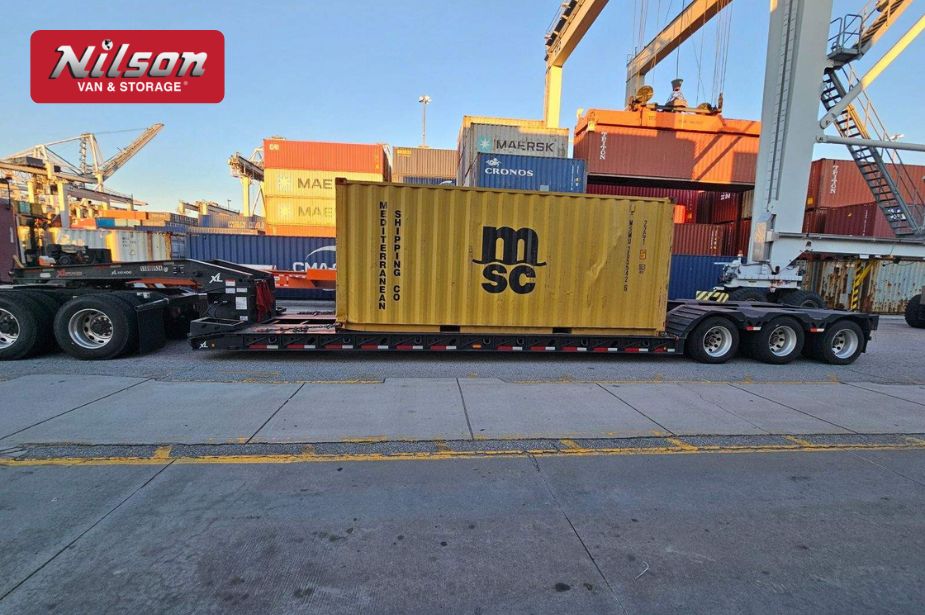
Heavy Equipment Transport in North Charleston requires more than placing a machine on a trailer and sending it to the next jobsite; the equipment must be measured, prepared, secured, routed, unloaded, and documented with its condition in mind.
A missed dimension, weak tie-down plan, restricted site entrance, or unclear handoff can create delays and expensive disputes. This guide explains how to protect machinery during transport, what information to provide before booking, how to evaluate a hauling provider, and when Nilson Van and Storage may be able to help coordinate the move.
Planning Heavy Equipment Transport in North Charleston From the Start
The best way to reduce equipment damage is to address handling risks before the machine leaves its current location. A transport provider needs more than the equipment name. The machine’s dimensions, weight, condition, attachments, loading method, route, and delivery conditions all affect the plan.
Gather Accurate Equipment Information
Start with the manufacturer’s specifications, but confirm them against the actual unit. Accessories and modifications often change the transport profile. A compact loader with a bucket, forks, counterweight, enclosed cab, or added attachments may require different measurements than the base model.
Record the following before requesting a quote:
- Overall length, width, height, and operating weight
- Detachable attachments and components that can be removed
- Ground clearance, wheel or track configuration, and lifting points
- Fluid, battery, fuel, hydraulic, and exhaust considerations
- Current operating condition and any known mechanical limitations
Photographs are useful, particularly images of all sides, the loading points, attachments, controls, tires or tracks, and any existing dents or scratches. Clear records help the provider understand the move and help both parties distinguish pre-existing conditions from issues discovered at delivery.
Confirm Whether the Machine Can Be Driven
Some equipment can be loaded under its own power. Other machinery must be winched, lifted, or handled with specialized loading equipment. Do not assume a machine that starts reliably is ready to drive onto a trailer. Brakes, steering, tracks, tires, ramps, and ground conditions all affect loading.
If the equipment is inoperable, partially dismantled, or missing a key component, disclose that before scheduling. A last-minute change from self-loading to mechanical loading can affect equipment selection, labor, site preparation, and cost.
Build Time for Preparation
Transport planning often slows down when the machinery is still in use at the pickup site. Coordinate a release window that allows operators to clean the unit, remove loose items, lower movable parts, secure attachments, and complete a condition check.
For a North Charleston industrial site, the pickup may also depend on gate access, security procedures, loading-zone availability, shift schedules, and coordination with a site contact. These details matter just as much as the machine’s weight.
Securing Heavy Equipment for Transport Without Guesswork
Securing heavy equipment for transport is not a one-size-fits-all task. The tie-down approach must match the machine’s weight, shape, center of gravity, attachment configuration, and the equipment used for loading. A professional crew should assess those factors rather than rely on a quick visual estimate.
Prepare the Machine Before Loading
Loose tools, removable panels, buckets, forks, mirrors, guards, and other components should be removed or secured when appropriate. Doors, hoods, booms, arms, blades, outriggers, and other movable parts should be positioned according to the equipment manufacturer’s guidance and the loading plan.
Clean dirt and debris from tracks, tires, steps, and attachment points. This is not merely cosmetic. Mud can conceal existing damage, reduce traction during loading, and make it harder to inspect tie-down points. A clean machine is easier to document and easier for the crew to handle.
Do not drain fluids or disconnect batteries unless the transport provider or equipment manufacturer calls for it. Incorrect preparation can create mechanical problems or leave the machine unable to load or unload.
Read also: How to Schedule Heavy Equipment Transport in Goose Creek, SC Without Project Delays
Match Restraint Points to the Machine
The restraint plan should use suitable attachment points and account for movement in more than one direction. Tie-downs that are convenient but not intended for restraint may bend, crack, or damage the equipment. Components such as hydraulic cylinders, control levers, fragile guards, exhaust parts, and exposed wiring deserve particular attention.
Attachments may need their own restraint plan. A raised boom, extended arm, or unsecured bucket can shift the center of gravity and place strain on the machine or trailer. The provider should explain what will be removed, what will remain attached, and how each item will be positioned.
Document Condition at Pickup
Before loading, take time-stamped photographs and note existing wear. Capture tires or tracks, corners, glass, paint, hydraulic areas, attachment edges, and the operator’s compartment. If the machinery has existing damage, document it plainly rather than relying on memory.
At Nilson Van and Storage, customers should ask how condition documentation, loading responsibilities, delivery inspection, and valuation coverage are handled for the specific move. Valuation coverage is not the same as insurance, and the applicable terms should be reviewed before the shipment is scheduled.
A delivery inspection should take place before the machine is put back into service. Compare the equipment with the pickup photographs, note any differences, and keep the paperwork and images with the project records.
Managing North Charleston Routes, Access, and Delivery Conditions
A machinery move can be properly loaded and still encounter trouble at the jobsite if access conditions were not reviewed. Industrial equipment transport in North Charleston may involve active worksites, commercial yards, port-related areas, narrow entrances, overhead obstructions, changing traffic patterns, or delivery windows controlled by a facility manager. The route and the final 100 feet both deserve attention.
Inspect Pickup and Delivery Sites
Walk or review both locations before the move whenever possible. Identify gate widths, turning space, overhead clearance, surface conditions, slopes, loading zones, and areas where the transport vehicle can position itself. A site that looks open on a satellite image may have temporary fencing, stored materials, parked vehicles, or construction activity on delivery day.
Provide the driver or coordinator with the correct contact at each site. Include gate instructions, check-in requirements, preferred arrival windows, and any restrictions on idling, staging, or equipment operation. If a lift, forklift, crane, or dock is needed, establish who is supplying it and when it will be available.
Read also: Heavy Equipment Transport in Mount Pleasant, SC: What to Expect on Moving Day
Allow for Route Review and Required Approvals
Oversize dimensions, unusual weights, bridge limitations, restricted streets, and local access conditions can affect routing and scheduling. Requirements vary by shipment and jurisdiction, so the provider should confirm what route review, permits, escorts, or other approvals apply to the specific equipment and origin-destination pair.
Do not treat an estimated arrival time as a guarantee until the route, loading time, site access, and any required approvals have been evaluated. Weather, facility delays, construction, and release issues can also affect the schedule. Clear communication is more useful than an overly precise promise that does not reflect the moving parts.
Plan the Unloading Sequence
The unloading plan should be decided before pickup. Determine whether the machine will drive off, be winched, or require lifting equipment. Confirm where it will be placed and whether the ground can support the equipment and unloading operation.
For machinery headed to a project site, the receiving team should be ready before arrival. A delayed unloading area can create additional handling, staging, or storage complications. If the final site is not ready, temporary storage may be worth discussing before the equipment is collected rather than after it is already in transit.
How to Evaluate a Heavy Equipment Hauling Provider
The lowest initial quote does not always represent the clearest or most workable plan. Compare providers by how thoroughly they understand the equipment, how they communicate assumptions, and how clearly they explain what is included. A useful quote should make the scope easier to evaluate, not leave important details for the loading day.
Ask Questions About the Actual Move
A provider should be able to discuss the machinery’s dimensions, weight, attachments, loading condition, pickup site, destination, and delivery requirements. Ask whether the quoted service includes loading, unloading, labor, disassembly, reassembly, site coordination, storage, or special handling. If an item is excluded, request that it be identified in writing.
Also ask how updates will be provided. GPS-tracked equipment transport may be available for some shipments, but availability and tracking details can vary. Confirm whether tracking is offered for the specific move, what information it shows, and who receives updates.
Review Valuation and Documentation
Customers commonly search for insured equipment hauling because they want financial protection if something goes wrong. The important point is to distinguish insurance from valuation coverage and to review the actual terms rather than relying on a label.
Ask what valuation coverage applies, how the value is determined, what exclusions or limits may exist, and what steps are required if an issue is discovered. Coverage can vary by service type and move details. Keep photographs, inventory information, quotes, condition reports, and delivery records together.
Nilson Van and Storage states that it does not charge cancellation fees, but customers should still confirm the scheduling and service terms that apply to their particular shipment. Local and intrastate moves in South Carolina are non-binding, so the final amount and scope should be discussed carefully when the equipment, access, or services may change.
Read also: Heavy Equipment Transport in Summerville, SC: A Pre-Move Checklist
Look for Practical Communication
The coordinator should ask questions before giving the final plan. That includes questions about whether the machine runs, whether attachments are included, whether the pickup and delivery sites have restrictions, and who will approve the handoff.
A strong communication process also identifies decision points. For example, if the machine does not start at pickup, who authorizes a different loading method? If the delivery area is blocked, who decides whether to wait, stage elsewhere, or move the equipment to storage? Clarifying these situations in advance prevents rushed decisions.
Coordinating the Move From Pickup Through Delivery
Heavy equipment transport is a chain of handoffs. The equipment owner, site supervisor, transport coordinator, loading crew, driver, and receiving contact may each control a different part of the process. Written information and a single point of contact help prevent assumptions from being lost between those people.
Create a Simple Move File
Keep one file containing the equipment description, dimensions, photographs, pickup and delivery contacts, access instructions, requested dates, valuation documents, and any special handling notes. If more than one machine is moving, identify each unit by serial number, asset tag, or another clear reference.
For a business move, add the operational information that the project manager needs. Note when the machine will be unavailable, which job or department is waiting for it, and whether another unit must remain in service until delivery. This turns a transportation task into a manageable project rather than an isolated booking.
Use Checkpoints Instead of One Final Confirmation
Confirm the plan at several stages: before booking, shortly before pickup, after loading, before delivery, and after unloading. Each checkpoint should cover the equipment condition, location, access, contacts, and any change to the schedule.
If the move involves multiple machines, do not assume they can all follow the same process. One unit may be self-loading while another needs mechanical assistance. One may fit through the delivery gate while another requires a different placement or schedule.
Know When Storage Belongs in the Plan
Storage may help when the destination is not ready, a project has been delayed, a business is changing facilities, or a machine must be held between work phases. Discuss storage timing early, including who will release the equipment, how it will be retrieved, and whether additional handling is required.
Nilson Van and Storage can be a useful point of discussion for customers coordinating moving, packing, storage, or commercial relocation needs alongside equipment logistics. The appropriate service depends on the equipment, origin, destination, and requested handling, so confirm the available scope before making arrangements.
Keep the Delivery Inspection Practical
The receiving contact should have the pickup condition records available and enough time to inspect the machine before signing completion documents. Check the same areas photographed at origin, including attachments, glass, tires or tracks, paint, controls, and exposed components.
If a discrepancy appears, record it promptly and notify the appropriate contact according to the move documents. Do not put the equipment into active service before documenting an issue that may need review.
Wrapping Up
Keeping machinery protected during Heavy Equipment Transport in North Charleston starts well before loading. Accurate dimensions, honest equipment information, a realistic loading plan, suitable restraints, documented condition, reviewed access, and clear delivery responsibilities all reduce preventable problems.
The right provider should explain the plan instead of treating every machine as the same. Ask about loading and unloading, route considerations, valuation coverage, updates, storage timing, and what happens if site conditions change. Nilson Van and Storage can discuss the moving and storage services that may fit your project, including local, intrastate, long-distance, commercial, packing, and storage needs where applicable.
When you are ready to compare options, provide complete equipment and site details from the beginning. That gives the moving team a better basis for planning and gives you a clearer understanding of the service before the machinery leaves your site.


FAQs - Heavy Equipment Transport in North Charleston
Our Recent Articles
Stay informed and inspired with the latest tips, insights, and updates from the Nilson Van and Storage blog. From expert packing advice and moving checklists to stories about our commitment to the community, our articles are here to make your relocation journey smoother and stress-free. Explore our recent posts to discover how we’re redefining the moving experience for Columbia, Myrtle Beach, Charleston, Sumter, Savannah, and beyond.
Office Cubicle Installation in South Carolina: Planning a Smooth Office Move
How to Choose the Right Warehouse Facility for Your Business