Heavy Haul Trucking for Germany Moves: 7 Things to Know
When heavy haul trucking is part of moving industrial equipment from the U.S. to Germany, the details matter long before anything reaches a dock or port. The biggest mistakes usually happen in the planning stage, when a shipper assumes oversized machinery can move like a standard household shipment.
That is where this guide helps. Heavy haul trucking requires careful route and load planning.
If you are relocating production equipment, specialty machinery, or other high-value assets as part of moving to Germany from USA, you need to think through permits, route planning, loading methods, protection, and the kind of heavy equipment transport partner that can keep the project on schedule.
Nilson Van and Storage brings practical specialty transportation experience to that kind move, and the right approach can save you time, damage, and avoidable delays. Heavy haul trucking requires careful route and load planning.
What Heavy Haul Trucking Means For A Germany Move
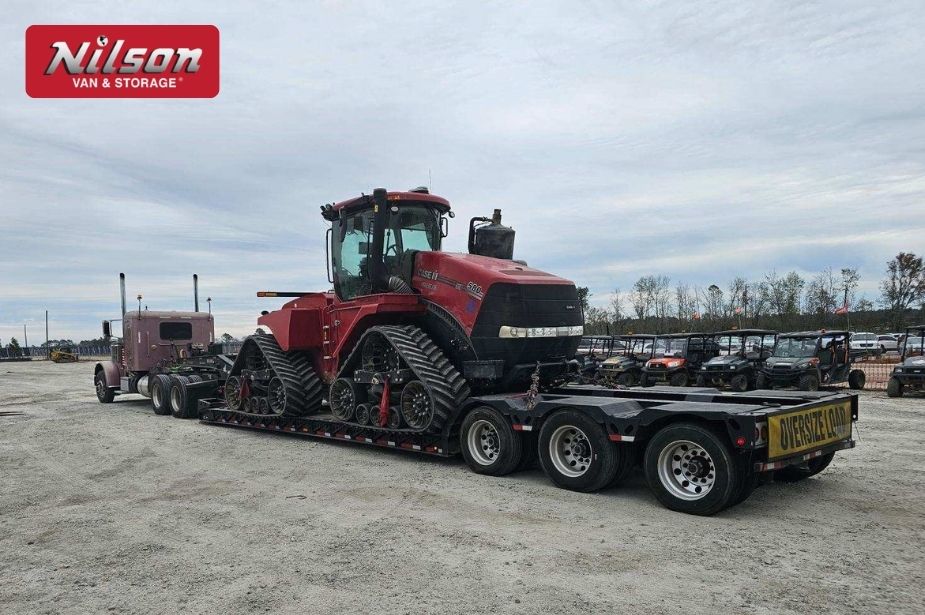
Heavy haul trucking is not just about using a bigger truck. It is the coordinated transport of freight that is too heavy, too large, or too awkward for standard methods, often with special loading, securing, and route planning requirements.
For international moves to Germany, the challenge is rarely one single leg of the trip. It is the handoff between origin pickup, inland transport, port processing, ocean transit, customs clearance, and final delivery.
When heavy equipment transport is involved, every step has to be planned around dimensions, weight, center of gravity, access points, and local rules at both ends. Heavy haul trucking works best with clear equipment details.
Why International Heavy Equipment Transport Is Different
A machine that moves safely across a warehouse floor can become a very different project once it must be loaded, exported, shipped overseas, and delivered into a constrained site in Germany. Doors, docks, floor loading limits, cranes, rigging access, and street restrictions can all affect the plan.
That is why a heavy machinery moving company needs more than trucks. It needs a process for survey, packing, rigging, loading, and timing that fits the shipment rather than forcing the shipment to fit a generic process.
What Typically Counts As Heavy Or Oversized Freight
The exact thresholds depend on the equipment, route, and jurisdiction, but shipments often become heavy haul candidates when they require specialized trailers, escorts, permits, cranes, or route restrictions. Industrial presses, medical devices, manufacturing lines, generators, and large fabricated components are common examples.
Before anything is booked, the dimensions, weight, lifting points, and fragility of each item should be documented. That information drives the rest of the move, including whether the freight can travel assembled or whether it should be broken down for safer handling.
Things To Know Before You Ship Heavy Equipment To Germany
This is the section where planning turns into decisions. If you are relocating equipment from the U.S. to Germany, these seven points will help you understand what can go wrong, what needs to happen first, and where experienced heavy haul specialists make the biggest difference.
Start With A Full Equipment Inventory
You need a complete list of what is moving, not just a rough estimate. That means serial numbers, weights, dimensions, accessories, removable parts, and any items that must stay together for reassembly.
A good inventory also notes whether each item is operational, decommissioned, sensitive to vibration, or valuable enough to need extra protection. This becomes the foundation for the transport plan, the customs paperwork, and the valuation-style valuation decisions. Good heavy haul trucking plans account for access and timing.
Verify Route, Access, And Delivery Constraints Early
A shipment that looks manageable on paper can become difficult if the delivery site has low-clearance streets, tight alleys, limited crane access, or restricted unloading hours. Germany’s urban and industrial sites often require precise scheduling and access coordination.
This matters just as much at the U.S. origin point. We often see delays because the pickup site cannot support the trailer size, the loading dock is too short, or the machine has to be moved through a building with narrow exits. Good planning prevents those surprises.
Understand Which Permits And Documents May Be Required
International heavy equipment transport often involves more than one set of rules. You may need export paperwork, customs documentation, commercial invoices, packing lists, and carrier documentation, along with transport-related permits depending on dimensions, routing, and local requirements.
Because requirements can vary by shipment type, origin, destination, and authority, they should be verified before pickup. The goal is not just compliance. It is avoiding holds, redelivery charges, and missed installation windows. Heavy haul trucking requires careful route and load planning.
Match The Transport Method To The Equipment
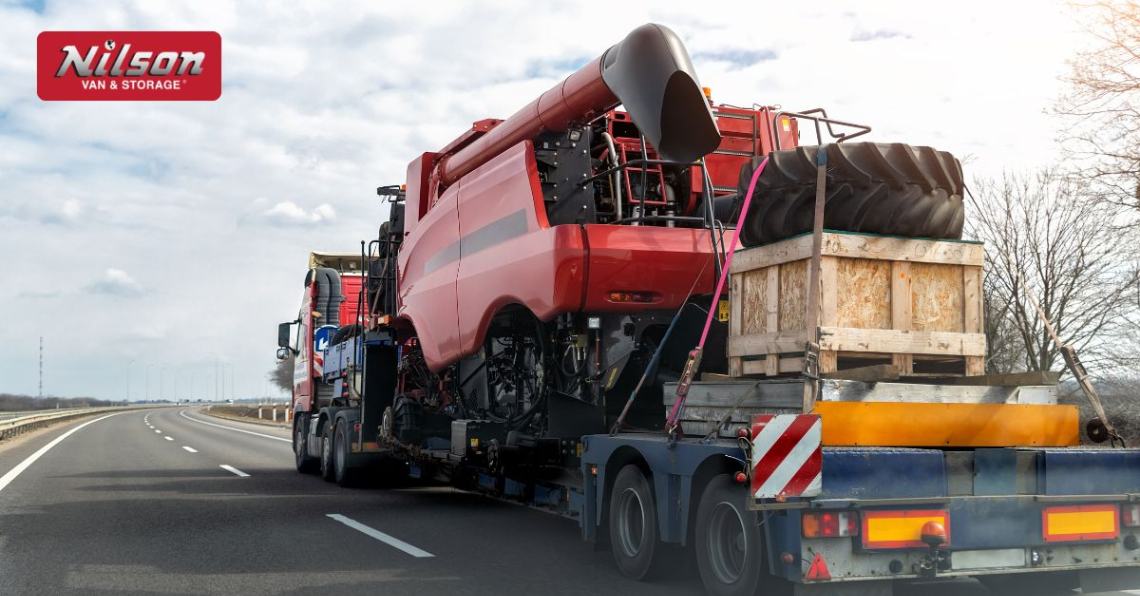
Not every piece of machinery should travel the same way. Some items can be containerized, some require flat racks or open-deck handling, and oversized freight may need specialized heavy haul trailers or rigging support before it even reaches a port.
The right method depends on more than size alone. Weight distribution, weather exposure, loading angle, and the need for secure tie-downs all matter. The wrong choice can increase handling risk and create avoidable damage before the shipment leaves the country.
Protect Sensitive Components Before Loading
Even rugged industrial equipment can be vulnerable to vibration, movement, moisture, and impact. Control panels, glass surfaces, hydraulic systems, motors, and loose attachments often need special preparation before transport. Heavy haul trucking works best with clear equipment details.
In practical terms, this may mean disconnecting power, draining fluids when appropriate, bracing moving parts, and applying protective wrapping or crating. A heavy equipment moving service should treat prep work as part of the transport, not an afterthought.
Plan For Timing Around Ports, Customs, And Installation
When a shipment is going overseas, the move schedule has to account for more than a truck arrival time. Port cutoffs, vessel schedules, customs review, inland transit windows, and installation teams can all affect when equipment should move.
If the destination site in Germany is not ready, the best transport plan can still fail at the finish line. Build the move around the actual receiving plan so equipment is not delivered before the site can accept it. Good heavy haul trucking plans account for access and timing.
Choose A Heavy Machinery Moving Company With Real Specialty Experience
The most expensive mistake in a move like this is hiring for price alone. Heavy equipment transport requires planning discipline, secure handling, and a team that knows how to coordinate unusual freight across multiple stages.
Look for a carrier or mover that asks detailed questions before quoting, explains loading strategy, and understands international handoffs. At Nilson Van and Storage, that kind of specialty transportation experience is a major advantage when the shipment is too complex for a standard move.
Tell us about your move and get a personalized quote based on your requirements. 
How To Plan Heavy Equipment Transport Without Losing Time
A good plan for relocating machinery to Germany is built in layers. First comes the equipment review, then the logistics map, then the loading and timing strategy. When those pieces are handled in order, the move becomes much more predictable. Heavy haul trucking requires careful route and load planning.
The biggest time losses usually come from skipping one of those layers. That often happens when a company focuses only on the ocean crossing and forgets about how the machine gets to the port, how it is loaded, or who is responsible once it lands in Europe.
Build Around The Shipment, Not Around The Calendar
It is tempting to pick a date first and solve the rest later. That usually creates pressure on the wrong parts of the move. Instead, start with the item’s dimensions, the site conditions, and the required handling steps, then set the schedule around those realities.
That approach is especially useful for businesses moving production gear or operational equipment, because one missed window can affect customers, employees, or project deadlines.
Coordinate Internal Teams Before The Carrier Arrives
If your staff, vendors, and destination contacts are not aligned, transport delays can happen even when the moving truck is on time. Someone needs to confirm who disconnects equipment, who signs off on release, who meets the driver, and who is responsible for installation readiness.
This is where an experienced coordinator helps. Clear communication up front prevents confusion at pickup, at the port, and at final delivery.
Document Condition Before Shipment
Photographs, written notes, and condition reports help establish the state of the equipment before it moves. That is useful for internal records, customs support, and any valuation claim process if something unexpected happens. Heavy haul trucking works best with clear equipment details.
It also forces a more careful review of the shipment. When teams document what is being sent, they are less likely to miss broken casters, loose panels, or preexisting wear that could become a problem later.
You May Also Like: Planning an international move to Kyoto? Explore helpful tips on shipping, customs, packing, documentation, and settling into your new home in Japan.
What Safety Steps Matter Most During Loading And Transit
Heavy haul trucking succeeds or fails at the loading dock just as much as it does on the road or at sea. A secure load is the product of the right equipment, the right method, and enough time to do the work correctly.
That is why safety planning should be specific to the item, not generic. What protects a palletized machine part will not always protect a large industrial unit with a high center of gravity or delicate mechanical assemblies.
Use Proper Rigging And Lifting Equipment
Lifting points, sling angles, pallet support, and crane placement all affect how safely the equipment can be loaded. A shipment may require riggers, skates, forklifts, gantries, or other specialized tools depending on size and access. Heavy haul trucking requires careful route and load planning.
If the wrong lifting method is used, the damage may not be obvious until installation day. Experienced handlers know how to avoid stress on frames, mounts, and moving parts.
Secure Freight For The Entire Journey
A machine that is stable for a short truck move may still shift during port handling or ocean transit. Tie-downs, bracing, blocking, and packaging have to account for all segments of the route. Heavy haul trucking works best with clear equipment details.
This is one reason heavy equipment transport should be designed as a system. Each stage changes the risk profile, and the load must remain secure through all of them.
Protect Against Environmental Exposure
Moisture, vibration, and temperature swings can affect sensitive components, especially if the equipment will sit in transit or storage before final delivery. Protective wrapping, sealing, and packaging choices should reflect the actual route and time in transit. Good heavy haul trucking plans account for access and timing.
For some shipments, a simple cover is enough. For others, crating or more robust protection is the safer call. The right answer depends on what the equipment can tolerate and how long it will be exposed.
According to Market Research Future, the global moving services market is expected to grow from USD 20.71 billion in 2024 to approximately USD 30.01 billion by 2035, representing a CAGR of 3.43% during the 2025–2035 forecast period.
You May Also Like: Planning a move to Dubai? Discover key tips for choosing a moving company, preparing your belongings, managing shipping, and organizing your relocation.
How To Choose The Right Transport Partner For A Germany Move
Choosing a provider for international heavy haul trucking is less about finding the cheapest line item and more about finding a team that can manage details without constant correction from you. The right partner should reduce your workload, not add to it.
For businesses relocating to Germany from the USA, this choice affects cost control, equipment condition, and whether the move lands on time. It is worth asking better questions before you book. Heavy haul trucking requires careful route and load planning.
Ask About Similar Moves And Handling Experience
You want a carrier or heavy machinery moving company that has handled oversized, valuable, or delicate freight before. Experience matters because complicated moves do not usually fail in obvious ways; they fail in small planning gaps.
Ask how the team handles site surveys, loading strategy, port coordination, and destination delivery. The answers should sound practical, not theoretical. Heavy haul trucking works best with clear equipment details.
Confirm Communication And Accountability
A strong moving partner should be able to explain who is managing each phase of the move. That includes pickup coordination, transit status, document handling, and final delivery planning.
If a company cannot clearly describe who is responsible for what, the shipment can become fragmented. In international moving services, that creates unnecessary risk and stress. Good heavy haul trucking plans account for access and timing.
Review Valuation Coverage And Policy Details
Do not assume every protection option works the same way. Nilson Van and Storage provides valuation coverage, not valuation, so it is important to understand what that means for your shipment and whether additional coverage through other providers is appropriate.
For local and intrastate moves in South Carolina, moves are non-binding, and Nilson Van and Storage also does not charge cancellation fees. Those policies can be helpful in planning, but the main point is still clarity: know the terms before the equipment is picked up.
Use A Company That Understands Complex Logistics
International equipment moves involve more than freight. They involve timing, coordination, and the ability to adjust when a port schedule, building rule, or access restriction changes the plan. Heavy haul trucking requires careful route and load planning.
That is where specialty transportation experience really matters. Nilson Van and Storage works with customers on moves that require careful handling, structured communication, and practical logistics support rather than a one-size-fits-all approach.
Have questions about your upcoming move? Our team is ready to help.
What Businesses Should Expect When Relocating Equipment To Germany
Businesses usually have different priorities than household shippers. The equipment may support production, operations, fulfillment, or technical services, which means downtime is often the biggest hidden cost in the move. Heavy haul trucking works best with clear equipment details.
A smart relocation plan accounts for more than the freight itself. It should also protect continuity, support internal communication, and reduce the chance that the German site is ready before the equipment is, or vice versa.
Plan For Downtime And Sequence The Move
If the machinery is part of a workflow, you need to decide when it can be offline and how the transition will happen. Sometimes the right move is to ship in phases. Other times, one coordinated shipment is better than splitting the load.
The right answer depends on your operations. Businesses should weigh transit time, installation needs, and the cost of interruption before choosing the schedule. Good heavy haul trucking plans account for access and timing.
Prepare Staff, Vendors, And Receiving Teams
Even a well-run shipment can stumble if the wrong people are left out of the loop. Make sure everyone involved knows the timeline, the access requirements, and the handoff plan. Heavy haul trucking requires careful route and load planning.
This includes internal teams, local vendors, and the receiving contact in Germany. Clear roles reduce confusion when the equipment arrives.
You May Also Like: Moving to the UK? Learn how experienced home relocation movers can help with planning, packing, transportation, and a smooth international move.
Keep Reassembly And Commissioning In Mind
Some shipments are not truly complete when they arrive. If the equipment must be reassembled, tested, leveled, or calibrated, that work should be part of the logistics plan from the start. Heavy haul trucking works best with clear equipment details.
A move that looks efficient on paper can become expensive if the shipment arrives before the tools, technicians, or space are ready. Planning ahead is cheaper than waiting on the dock. Good heavy haul trucking plans account for access and timing.
Wrapping Up
Heavy haul trucking for Germany moves takes more than size and weight calculations. It requires early planning, the right permits and documents, proper protection, careful loading, and a transport partner that understands how international equipment moves really work.
If you are relocating industrial assets, production machinery, or other specialty freight as part of moving to Germany from USA, the safest path is to build the plan around the shipment itself and the realities of the destination site. Heavy haul trucking works best with clear equipment details.
Nilson Van and Storage can help with specialty transportation needs that demand practical experience, clear communication, and a steady process from origin to delivery.
Make us one of your preferred sources on Google!


FAQs - Heavy Haul Trucking For Germany Moves
Our Recent Articles
Stay informed and inspired with the latest tips, insights, and updates from the Nilson Van and Storage blog. From expert packing advice and moving checklists to stories about our commitment to the community, our articles are here to make your relocation journey smoother and stress-free. Explore our recent posts to discover how we’re redefining the moving experience for Columbia, Myrtle Beach, Charleston, Sumter, Savannah, and beyond.

Sweden vs Germany: Which is Better For Relocation?

Office Move Checklist: Your Timeline and Tips for a Smooth Move