Full Truckload Shipping for Businesses: 5 Benefits and When to Choose FTL Services
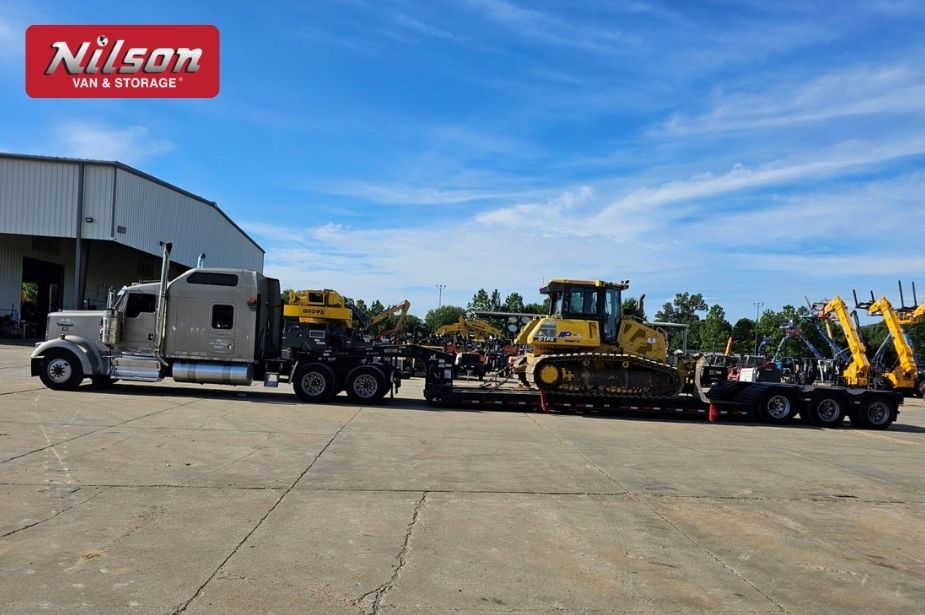
Full truckload shipping can give your business greater control when heavy equipment, oversized machinery, or a complete project load needs to move on one planned shipment.
Instead of sharing trailer space with unrelated freight, you reserve the available capacity for your equipment and coordinate the move around your schedule.
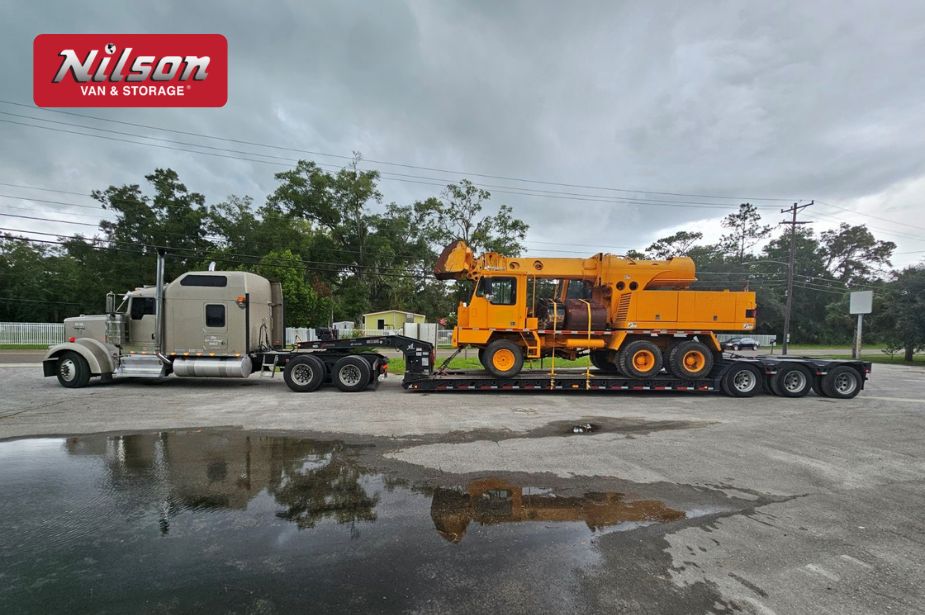
That distinction matters when a delayed excavator, crane component, generator, or construction machine can hold up labor, subcontractors, or an entire jobsite.
This guide explains what full truckload shipping is, the five practical benefits it can provide, when FTL is worth considering, how to prepare the shipment, and what to ask a heavy equipment moving company before requesting a quote.
What Is Full Truckload Shipping?
Full truckload shipping, commonly called FTL, is a transportation arrangement in which one customer’s freight uses the planned capacity of an entire truck or trailer.
The shipment generally moves from one pickup location to one delivery location without being combined with multiple customers’ freight along the route.
For businesses moving heavy equipment, FTL is not only about filling a trailer. It is about matching the shipment method to the equipment’s dimensions, weight, handling requirements, delivery window, and project importance.
A small machine may not require an entire truck, while a large piece of equipment may need exclusive use of the truck or trailer because of its size or loading method.
How FTL Differs From Shared Freight
Shared-load transportation, often referred to as less-than-truckload or LTL shipping, combines freight from several customers.
That option can be practical for smaller, palletized shipments that are easy to handle and not particularly time-sensitive. For full truckload shipping, confirm that detail before pickup.
FTL is more focused. The truck is scheduled around one shipment rather than a series of pickups and deliveries.
This can reduce the number of times equipment is transferred, repositioned, or handled during the move. For machinery with unusual dimensions, attachments, sensitive components, or limited loading points, that difference can be significant.
The right choice depends on the complete shipment—not simply its weight. A single compact machine might fit comfortably into a shared freight network.
Several machines, a large attachment package, or equipment that needs a specialized loading plan may be better evaluated for full truckload shipping services.
What Information Determines the Shipping Method?
A carrier or moving coordinator will usually need more than the equipment’s name. “Excavator” or “forklift” is a useful starting point, but it does not describe the load well enough for planning.
Be prepared to provide the equipment’s approximate length, width, height, weight, operating condition, and whether attachments will be included. Photos, manufacturer specifications, serial-number information, and loading instructions can also help clarify the requirements.
Pickup and delivery conditions matter just as much. A machine leaving a construction site may require advance coordination for gates, ground conditions, loading space, or site personnel.
At the destination, the receiving team may need a specific delivery window or an agreed location for unloading.
The more complete the information is at the beginning, the less likely the plan will change after scheduling. That is especially important when a quote, trailer assignment, or project deadline depends on accurate dimensions.
Five Benefits of Full Truckload Shipping for Businesses
The benefits of full truckload shipping are most apparent when the freight is valuable, difficult to handle, time-sensitive, or central to an active project.
FTL is not automatically the best choice for every shipment, but it can solve problems that shared freight creates for commercial and industrial customers.
1. More Direct Shipment Planning
An FTL move is planned around your equipment rather than around a collection of unrelated shipments. That usually creates a more direct transportation plan, with fewer scheduled stops and fewer handoffs than a shared-load arrangement.
For a contractor waiting on a replacement machine, the value is operational. The question is not only how much the move costs; it is what a delay could cost in idle labor, rescheduled concrete work, missed site access, or postponed customer commitments.
Direct planning does not mean a carrier can guarantee an exact arrival time in every situation. Weather, site access, equipment dimensions, traffic conditions, and other transportation factors can affect a schedule.
It does mean the shipment is structured with fewer competing freight requirements. Clear instructions help full truckload shipping run to the agreed plan.
2. Reduced Handling for Large or Awkward Equipment
Heavy equipment often does not behave like ordinary boxed freight. It may require ramps, lifting equipment, specialized blocking, partial disassembly, or a particular orientation on the trailer.
Every additional handling point creates another opportunity for the load plan to become more complicated.
With exclusive use of the truck or trailer, the shipment can be organized around the equipment’s characteristics.
That may help limit unnecessary transfers and make the loading, securing, and unloading sequence easier to coordinate. Clear instructions help full truckload shipping run to the agreed plan.
For example, a landscaping company moving a compact track loader with a bucket and attachments may need the equipment and accessories to arrive together.
A shared freight solution could require separate handling decisions for different pieces. An FTL plan may make it easier to treat the shipment as one coordinated project.
Handling requirements should always be reviewed in advance. The transportation provider needs to understand whether the machine runs, whether it can be driven onto the trailer, whether loose parts must be removed, and whether your team or the carrier will manage preparation.
3. Better Control Over Timing
Businesses often choose FTL because timing has a direct relationship to revenue and productivity. A manufacturer may need a machine at a new facility before installation crews arrive.
A contractor may be moving equipment between jobsites during a narrow project window. A rental business may need a unit repositioned before another customer’s scheduled rental begins. Review this condition when considering full truckload shipping.
A shipment with exclusive use of the vehicle gives the schedule a clearer starting point. Pickup planning, loading arrangements, route expectations, and delivery communication can be discussed as one move rather than as part of a shared network.
The practical lesson is to discuss timing early. Tell the moving coordinator what date the equipment must be available, whether pickup or delivery dates are flexible, and what happens if the shipment arrives outside a site’s receiving hours.
A workable plan includes the people, access, and equipment needed at both ends. Full truckload shipping works best when these expectations are documented.
If timing affects a major project, request a free moving quote early enough to review the plan rather than choosing a transportation method at the last minute.
4. More Predictable Coordination for One Shipment
A full truckload arrangement can simplify communication because the conversation centers on one customer, one load, and one primary pickup-to-delivery plan. That does not eliminate the need for details, but it can make responsibilities easier to identify.
This is particularly useful when multiple people are involved. A project manager may control the deadline, a site supervisor may manage pickup access, an equipment manager may provide machine specifications, and an accounting department may need the quote and valuation details.
A coordinated plan helps keep those pieces connected. The scope for full truckload shipping should cover that requirement.
Before scheduling, identify who can approve changes and who will be present at pickup and delivery. Confirm how the equipment will be measured, who prepares it, what documentation is needed, and how changes in site conditions will be communicated.
At Nilson Van and Storage, customers considering heavy equipment moving should share these operational details during the quote process. The goal is not simply to place equipment on a truck.
It is to establish a realistic plan that the business, the pickup location, the delivery location, and the moving team can follow. Confirm which party handles this part of full truckload shipping.
5. A Better Fit for High-Value or Project-Critical Equipment
Equipment does not have to be the most expensive asset in a company to be project-critical. A modest machine can still create serious disruption if the business depends on it every day.
FTL may be worth evaluating when the equipment is costly, difficult to replace, customized for a particular operation, or needed at a specific destination.
Businesses should also discuss valuation coverage before the move. Valuation coverage has its own terms and limits, which should be reviewed for the specific shipment.
Ask what information is needed to document the equipment, how declared value is handled, and what limitations may apply. Full truckload shipping works best when these expectations are documented.
A well-planned shipment also considers the equipment’s condition before loading. Photograph the machine from several angles, note existing marks, record accessories, and keep copies of relevant documents. These steps create a clearer record for everyone involved.
FTL does not remove every transportation variable, and it should not be selected solely because the equipment is valuable.
However, exclusive use of the truck or trailer can be a sensible option when fewer handling points, clearer coordination, and a project-focused schedule justify the choice.
Tell us about your move and get a personalized quote based on your requirements.
When Should Your Business Choose FTL Services?
The best time to choose full truckload shipping is when the shipment’s operational needs outweigh the advantages of sharing transportation capacity.
The decision should consider more than volume. Weight, dimensions, handling, timing, destination access, and the consequences of delay all matter.
FTL May Make Sense for These Shipments
FTL is often worth evaluating when you are moving one large machine, several pieces of equipment together, or a load that cannot be easily separated.
It may also fit when the shipment has an unusual shape, needs a specific loading arrangement, or includes attachments and accessories that should remain together.
A truck reserved for exclusive use may be appropriate for a business that is:
- Moving construction equipment between jobsites or regional offices.
- Relocating manufacturing or warehouse equipment during a facility change.
- Transporting rental, agricultural, utility, or commercial machinery to a new customer or project.
- Coordinating a time-sensitive delivery where multiple freight transfers would add unwanted complexity.
Location planning can affect the decision. A downtown delivery in Charleston, a constrained commercial site in Columbia, or a coastal-area destination near Myrtle Beach may require advance discussion about access, building rules, receiving hours, and staging space.
A move involving Sumter or Savannah may have different site conditions and scheduling considerations. Confirm the details for the exact origin and destination rather than relying on a general route assumption. This is an important part of planning full truckload shipping.
When Shared Freight May Be More Practical
FTL is not automatically the most economical choice. If the shipment is small, palletized, easy to handle, and flexible on timing, shared freight may be worth comparing. A business should look at the total cost and operational impact, not just the transportation line item.
For example, sending a small boxed control unit by shared freight may be reasonable if it can travel independently from the machine.
Reserving an entire truck for that single item could be difficult to justify. On the other hand, separating a machine from the parts needed to operate it may create delays at the destination.
Ask for a side-by-side explanation when the best method is unclear. A useful full truckload shipping quote should reflect the actual shipment details and explain what is included in the proposed arrangement.
If the quote changes after dimensions, loading conditions, or access details are clarified, ask why before approving the move.
The Cost of Delay Can Change the Calculation
Many businesses compare only FTL pricing with a shared-load rate. Experienced planners also estimate the cost of waiting.
Consider labor that cannot begin, equipment rentals that continue, subcontractors who must be rescheduled, storage time, production interruptions, and customer commitments that may be affected.
That does not mean FTL is always justified by a possible delay. It means the decision should reflect the value of the equipment arriving in the required condition and time window.
A lower transportation price may not be the lower-cost option if it creates a second trip, extra handling, or a missed project milestone.
When the equipment is tied to a business deadline, speak with a moving expert before selecting a service based only on a general online estimate.
Our moving experts are here to assist you.
How to Prepare Heavy Equipment for Full Truckload Shipping
Preparation affects the quote, the loading plan, and the delivery experience. The moving team needs enough information to understand the equipment, while your business needs a clear handoff process at both locations.
Document the Equipment Before the Move
Start with a written equipment profile. Include the make and model, dimensions, approximate weight, operating condition, attachments, removable components, and any known loading requirements.
If the machine has unusual features, explain them rather than assuming the crew will recognize them from a photo.
Take dated photographs before preparation begins. Capture all sides, the cab or control area, attachments, tires or tracks, and existing marks. If parts are removed, photograph the equipment before and after disassembly and label the parts so they can be matched at delivery.
Do not guess at dimensions when a manufacturer specification or equipment record is available.
Height is particularly important because additions such as exhaust components, booms, mirrors, cabs, or folded attachments can change the load profile. Businesses comparing full truckload shipping should ask about that step.
Confirm Site Access and Loading Responsibilities
A truck can be scheduled correctly and still encounter a problem if the site is not ready. Check the entrance, turning area, loading surface, overhead clearance, gate hours, and any building or property-management requirements.
Commercial sites may require certificates, appointment windows, escorts, or advance notice, depending on the property.
Clarify who will operate the equipment, who will remove attachments, and what loading tools are available. If the machine does not run, say so early.
If a forklift, crane, ramp, or other lifting resource is required, identify who will provide it and when it will be available.
The same review is needed at delivery. A receiving team should know where the equipment will go, who has authority to accept it, and what conditions must be documented before the crew leaves. This consideration can change the value of full truckload shipping.
Prepare the Machine and Accessories
Mechanical preparation varies by equipment type and manufacturer guidance, so follow the appropriate instructions for the machine.
Common planning items may include removing loose materials, securing movable components, disconnecting or protecting vulnerable parts, and separating attachments that cannot remain installed during transportation.
Keep small accessories together in labeled containers when the shipping plan allows them to travel with the primary equipment. Do not place loose tools, fluids, personal items, or unrelated materials inside the machine unless the provider has approved that arrangement.
Before pickup, confirm fuel, batteries, hydraulic components, and other preparation requirements with the moving coordinator. Requirements can vary by equipment type, destination, carrier, and loading method.
Written confirmation is better than relying on an informal assumption. The scope for full truckload shipping should cover that requirement.
Build a Clear Handoff Record
At pickup, review the equipment condition, included accessories, and any visible pre-existing marks. At delivery, compare the shipment with the pickup record before signing completion documents. If something is unclear, ask for it to be documented at the time.
Keep the quote, equipment inventory, photographs, site contacts, and valuation coverage information in one project file. This is a simple administrative step, but it helps when several employees or locations are involved.
Nilson Van and Storage can discuss packing, transportation, storage timing, and moving coordination when the shipment is part of a larger business relocation.
If equipment must leave one site before the new site is ready, ask whether a storage step should be included in the overall plan rather than arranging it after pickup.
How to Compare Full Truckload Shipping Services
A good comparison is based on the quality of the plan, not just the first price.
When reviewing full truckload shipping services, look for clear answers about equipment fit, pickup and delivery coordination, preparation, valuation coverage, communication, and changes to the shipment details.
Questions to Ask Before Booking
Ask the provider to explain the proposed equipment and trailer fit, loading approach, pickup and delivery assumptions, responsibilities for preparation, and what happens if dimensions or access conditions differ from the original information.
You should also understand the expected scheduling process and who will communicate updates.
Other useful questions include:
- What equipment details and photographs are needed for an accurate quote?
- Who handles loading, unloading, attachment removal, and site coordination?
- What valuation coverage options apply, and what documentation is required?
- How are changes handled if the equipment, access, or delivery schedule changes?
- Is the shipment part of a larger move that may require packing, storage, or additional coordination?
Do not treat a quote as complete if it contains only a price and a pickup address. A reliable proposal should be based on the actual equipment and operating conditions.
If a provider cannot explain important assumptions, ask for clarification before scheduling. Review this condition when considering full truckload shipping.
Understand Policies and Quote Terms
Ask whether the quote is binding or non-binding for the specific move. For local and intrastate moves in South Carolina, Nilson Van and Storage uses non-binding estimates.
The final amount can depend on the actual services, shipment details, and conditions encountered, so businesses should provide complete information and review the estimate carefully. Office moves are an exception: Nilson Van and Storage may provide a bid.
Nilson Van and Storage does not charge cancellation fees, but customers should still communicate schedule changes as soon as possible.
A change can affect crew planning, equipment assignment, site appointments, and other parts of the move even when no cancellation fee applies. For full truckload shipping, confirm that detail before pickup.
Review valuation coverage separately from the transportation price. It is subject to its own terms, and the available terms should be confirmed for the shipment. Ask questions before pickup if the equipment has a high replacement cost or if the business requires particular documentation.
Choose a Coordinator Who Understands Business Disruption
Heavy equipment transportation is often one part of a broader operational change. A business may be closing one location, opening another, renovating a facility, changing jobsite assignments, or moving equipment while production continues.
A moving company should be able to discuss the practical sequence: what leaves first, where equipment waits if the destination is not ready, how employees receive updates, and how the move fits around business hours.
Nilson Van and Storage supports commercial and heavy equipment moving needs in its operating regions, including Columbia, Myrtle Beach, Charleston, Sumter, and Savannah. Service details depend on the shipment and location, so confirm the exact scope during the consultation.
The strongest choice is not always the provider with the shortest answer or lowest initial estimate. It is the provider that understands the load, identifies the uncertainties, and gives your team a workable process for resolving them.
Wrapping Up
Full truckload shipping can be a practical choice when your business needs exclusive use of the truck or trailer, fewer handling points, coordinated timing, or a transportation plan built around heavy equipment.
The five main benefits are more direct planning, reduced handling, greater schedule control, simpler coordination, and a better fit for project-critical machinery.
The decision still requires judgment. Compare the equipment’s dimensions, weight, condition, loading requirements, destination access, deadline, and the cost of delay.
Request a detailed full truckload shipping quote based on actual shipment information, and clarify preparation responsibilities, valuation coverage, estimate terms, and communication expectations before booking.
When a machine must move as part of a commercial relocation, jobsite transfer, storage plan, or facility change, Nilson Van and Storage can help you evaluate the moving requirements and next steps.
The more complete your information is at the beginning, the easier it is to create a practical plan for your equipment and your business.


FAQs - Full Truckload Shipping
Our Recent Articles
Stay informed and inspired with the latest tips, insights, and updates from the Nilson Van and Storage blog. From expert packing advice and moving checklists to stories about our commitment to the community, our articles are here to make your relocation journey smoother and stress-free. Explore our recent posts to discover how we’re redefining the moving experience for Columbia, Myrtle Beach, Charleston, Sumter, Savannah, and beyond.
Shipping Heavy Equipment Overseas from South Carolina to the UK: A Business Guide
Warehouse Storage for Small Businesses During an Office Relocation