How to Plan Heavy Equipment Transport in Tybee Island, GA for Tight Coastal Job Sites
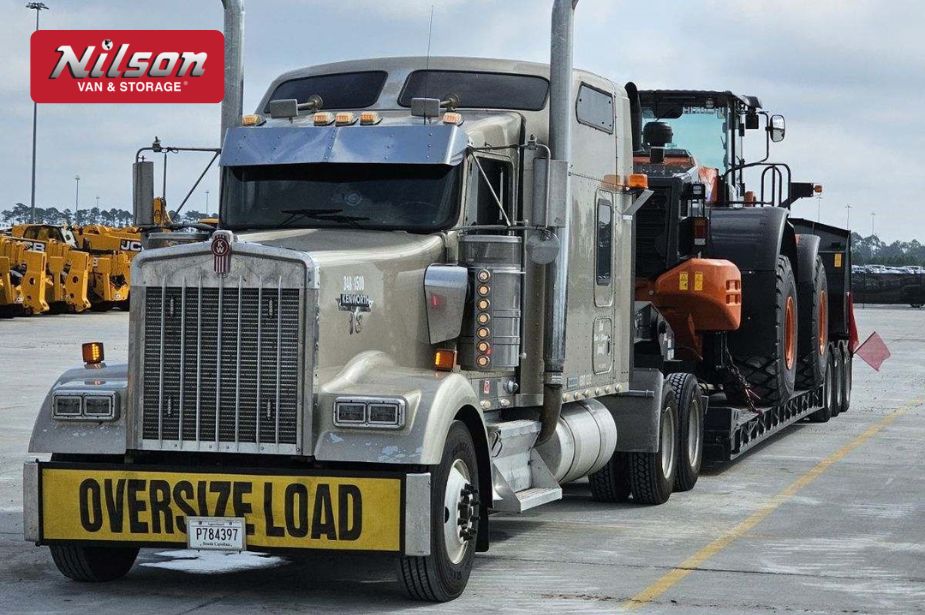
Heavy Equipment Transport in Tybee Island, GA becomes more complicated when a large machine must reach a coastal job site through narrow streets, limited staging areas, and access points shaped by island traffic and construction activity. A workable plan must account for the equipment itself, the route, arrival timing, loading conditions, and what happens if the site is not ready when the machinery arrives.
This guide explains how to organize coastal construction heavy equipment transport, evaluate tight job site access, prepare for delivery to a barrier island, and communicate the details a transportation provider needs. You will also learn when to request a quote, which site conditions can change the plan, and how Nilson Van and Storage can help you discuss a project involving Tybee Island and the Savannah area.
Planning Heavy Equipment Transport in Tybee Island, GA From the Job Site Backward
The most reliable equipment hauling plans start at the delivery point rather than the origin. Before discussing a vehicle or pickup date, identify exactly where the machine must be unloaded, how it will enter the property, where it can wait, and what equipment will be available to position it after arrival.
Start With the Machine’s Actual Transport Profile
A loader, excavator, skid steer, lift, generator, or other construction machine may require a different plan based on its dimensions and condition. Record the manufacturer, model, operating weight, overall height, width, length, and any attachments that will travel with it.
Do not rely only on a brochure specification. A machine fitted with a bucket, boom, forks, counterweight, tracks, outriggers, or other accessories can have a substantially different transport profile. If attachments can be removed, decide whether they will travel separately or arrive with the equipment.
The transportation provider will also need to know whether the machine runs, rolls, steers, and can be loaded under its own power. Non-running equipment may require additional loading arrangements. Hydraulic components, loose tools, fuel levels, batteries, and detachable parts should be discussed before the pickup date.
A useful equipment information sheet should include:
- Equipment type, make, model, and serial number when available
- Weight, dimensions, attachments, and whether the machine is operational
- Pickup address, delivery address, site contact, and requested delivery window
- Photos showing all sides, loading points, tires or tracks, and unusual features
Accurate information at this stage reduces avoidable changes later. A small difference in height can affect route planning, while a removable attachment can affect both the loading method and the space required at the job site.
Confirm Who Controls the Pickup and Delivery Locations
Equipment owners, general contractors, subcontractors, dealers, rental companies, and property managers may all be involved in one move. Establish who can release the machine at pickup and who can authorize unloading at Tybee Island.
The delivery contact should understand the planned arrival window, the expected vehicle size, the required staging area, and the conditions needed for unloading. If the contact will not be present, arrange an authorized representative who can make decisions at the site.
Nilson Van and Storage can discuss the project details and request moving quote, but the customer should still verify property access, site permissions, and any building or project rules that apply. A transportation plan cannot replace a contractor’s responsibility to prepare the work area.
Request a Quote With Complete Information
A free moving quote is most useful when it reflects the actual machine and the actual site. Provide photos, dimensions, weight, addresses, preferred dates, and known access restrictions instead of describing the load only as “construction equipment.”
For local and intrastate moves in South Carolina, Nilson Van and Storage follows non-binding quoting requirements. For a Tybee Island project involving Georgia, the quote structure and applicable terms should be reviewed for the specific move. Ask what information is needed to confirm the scope, and clarify valuation coverage because valuation coverage is not the same as insurance.
Nilson Van and Storage does not charge cancellation fees under its stated policy. Even so, changing a heavy equipment move can affect scheduling, permits, site readiness, or other project commitments, so notify the moving company as soon as the plan changes.
How Tight Job Site Access Changes the Transport Plan
Tight job site access is often the deciding factor in a coastal equipment delivery. A machine may fit through the property entrance but still be difficult to unload if the approach is narrow, the turning area is limited, or construction materials block the intended position.
Inspect the Final Approach, Not Just the Address
A street address does not show the full route from the public road to the unloading point. Walk or drive the final approach and document the details that can affect equipment delivery:
- Gate width, overhead clearance, turning radius, grades, soft ground, and drainage areas
- Parked vehicles, landscaping, utility features, scaffolding, fencing, and temporary barriers
- The distance between the unloading point and the area where the machine will be used
Measure the narrowest point, not the average width. Photograph overhead wires, low branches, tight corners, bridge approaches, raised curbs, and any surface that may limit positioning. Include a wide view and close-up photos so the provider can understand the relationship between obstacles.
Coastal properties can change quickly. A gate that was open during an initial visit may be closed later, and a temporary construction fence may reduce the usable path. Recheck the access conditions shortly before delivery.
Separate Delivery Access From Work-Site Access
The equipment may be able to reach the property but not the exact area where it will operate. These are two separate questions. The delivery vehicle needs room to approach and unload, while the machine needs a suitable path from the unloading point to the work zone.
For example, a compact excavator might be delivered near the entrance and driven into the site afterward. A larger machine may need to be unloaded much closer to the work area because the property cannot accommodate movement after delivery. That distinction affects staging, timing, and the order of other construction activities.
If the work zone is behind a building or across a narrow passage, discuss whether the equipment can be repositioned by the site crew. Do not assume that a transportation crew will perform construction-site repositioning unless that service has been specifically confirmed.
Check Surface Conditions and Staging Space
A firm paved surface may be available at the street while the actual unloading location consists of sand, loose fill, wet soil, or recently disturbed ground. Coastal weather and drainage can change surface conditions between the planning date and delivery day.
The site contact should identify a suitable staging area before the equipment arrives. That space should be clear of materials, personnel, temporary structures, and vehicles that could prevent the planned unloading sequence. If the site is not ready, the driver and project contact may need to pause and reassess the delivery rather than improvise.
For a Tybee Island project, discuss staging with the contractor, property manager, or local site representative in advance. The transportation provider can explain the information needed for the move, while the customer remains responsible for confirming that the destination is prepared to receive the equipment.
A practical rule from project work is simple: if the provider cannot understand the final 100 feet from your description or photos, the delivery plan is not detailed enough yet.
You may also like: How to Pick the Right Trailer for Heavy Equipment Transport in Lexington, SC
Coordinating Equipment Delivery to a Barrier Island
Equipment delivery to a barrier island requires more than selecting a pickup and drop-off date. The plan should account for the island approach, local traffic patterns, seasonal activity, access restrictions, and the consequences of arriving when the job site cannot accept the machine.
Build the Schedule Around the Site, Not Convenience Alone
Ask the project manager when the equipment is truly needed rather than choosing a date based only on when the machine becomes available. A delivery that arrives before grading, access preparation, or foundation work is complete may create a staging problem. A late delivery can interrupt subcontractor sequencing and leave rented equipment or crews waiting.
Identify three time points:
- The earliest date the machine can leave its origin
- The date the Tybee Island site will be ready to receive it
- The latest practical arrival date before the equipment is needed for production
This range gives the transportation provider useful flexibility without losing sight of the construction schedule. Weather, traffic, loading delays, and changes at the origin can affect timing, so avoid planning a major installation around an arrival window with no room for adjustment.
Consider Island Traffic and Local Activity
Tybee Island is a coastal destination connected to the Savannah area by a limited approach, and the experience of reaching a job site can vary by time of day, season, weather, events, and local activity. A route that works for a small service vehicle may be less practical for a larger equipment transport setup.
Ask the project contact about peak traffic periods, lane restrictions, neighborhood access, event-related changes, and any local instructions for commercial deliveries. Confirm whether the destination has a designated entrance or whether the provider should meet someone at a specific location.
Do not assume that a delivery window can be extended indefinitely. If the machine is needed at a particular stage of construction, communicate the operational priority clearly and discuss realistic scheduling options with the transportation provider.
Coordinate With Property and Project Rules
Condos, resorts, commercial properties, municipal projects, and managed communities may have their own delivery requirements. These can include advance notice, designated entrances, restrictions on delivery times, proof of coordination, or rules for staging vehicles.
The contractor or property representative should confirm those requirements before booking. If a permit, escort, lane closure, or other official approval may be required, verify the requirement with the appropriate local authority rather than relying on general advice. Requirements can vary by equipment dimensions, route, location, and project type.
At Nilson Van and Storage, the most productive planning conversations begin with the full delivery picture: the machine, the route, the site contact, the access conditions, and the requested timing. That information helps determine what must be reviewed before the move is scheduled.
Choosing The Right Equipment Hauling Approach for The Job
Not every heavy equipment move calls for the same preparation. The right approach depends on the equipment’s dimensions, whether it can be loaded under its own power, how far it must travel, and what the destination can accommodate.
Decide What Travels With the Machine
Attachments and accessories create common planning confusion. A bucket, blade, forks, grapple, counterweight, or stabilizer may be removable, but the transportation plan must account for it either way.
Before pickup, decide whether each item will:
- Remain attached to the machine
- Be secured and transported separately
- Be removed and handled by the equipment owner or contractor
This decision should be based on manufacturer instructions, loading requirements, available space, and the destination’s ability to receive separate pieces. Label detached items and photograph their condition before loading. Keep small components, keys, operating documents, and specialized tools with the responsible project representative rather than leaving them loose on the machine.
Prepare a Non-Running Machine Differently
A machine that starts and moves under its own power is not planned the same way as one with a dead battery, mechanical issue, damaged track, locked steering, or hydraulic problem. Tell the provider about any operating limitation before pickup.
Do not wait until the crew arrives to disclose that an excavator cannot climb a ramp or that a lift cannot retract an extension. The loading approach may depend on that information. The same applies to equipment with leaking fluids, damaged tires, unstable attachments, or parts that cannot be secured in their normal position.
The owner or contractor should also identify ignition keys, control instructions, battery disconnects, and any special operating details. Clear information helps the pickup team understand the equipment they are expected to handle and gives the project contact a chance to address problems in advance.
Compare Direct Delivery With Staging Options
Direct delivery is usually the simplest arrangement when the Tybee Island site is prepared and the final access route is workable. Staging may be considered when the site is not ready, the equipment must be held temporarily, or the project schedule has separate pickup and installation dates.
Staging adds coordination. The customer should confirm where the machine will be held, who can authorize its release, how long it may remain there, and whether the second delivery requires a new access review. Storage or holding arrangements should be discussed specifically with Nilson Van and Storage so the available service and terms are clear for the project.
A staged plan may reduce pressure on the job site, but it can also create an additional handling step. Compare that trade-off against the cost of delaying the equipment, changing the construction sequence, or keeping a crew idle.
Clarify Valuation and Documentation
Before the move, document the equipment’s visible condition with dated photographs. Capture paint, glass, tires or tracks, attachments, control panels, hydraulic lines, and existing marks. Record the serial number when available and retain the signed inventory or delivery documentation.
Ask how valuation coverage applies to the shipment and what limitations or conditions should be understood. Nilson Van and Storage uses the term valuation coverage rather than insurance. The selected coverage and applicable terms should be reviewed for the specific move, especially when the equipment has high replacement value or unusual components.
Driven by evolving relocation needs and demand for professional moving solutions, the global moving service market is forecast to expand from USD 21.42 billion in 2025 to USD 30.01 billion by 2035, reflecting a CAGR of 3.43%.
Read Also: 5 Things to Know Before Hiring Heavy Equipment Transport in Garden City, GA
What Should You Confirm Before Heavy Equipment Transport in Tybee Island, GA?
A final confirmation call should turn the project discussion into a usable delivery plan. The goal is not to create paperwork for its own sake. It is to make sure the people handling the equipment, the people preparing the site, and the people depending on the construction schedule are working from the same information.
Use One Shared Move Summary
Create a one-page summary with the equipment description, dimensions, weight, attachments, origin, destination, contacts, requested dates, and site notes. Include links or references to current photos if the information is being shared electronically.
The delivery contact should know who to call if the site changes, the gate is locked, the unloading area is occupied, or the machine cannot be accepted at the planned time. The origin contact should know when the equipment must be ready, what parts travel with it, and who can release it.
This shared summary is particularly useful when the owner is in another city and the equipment is being delivered to a contractor in Tybee Island. It prevents details from being scattered across text messages, rental records, and separate conversations.
Read Also: Heavy Equipment Transport in Richmond Hill, GA: How to Get Machinery to Your Job Site on Time
Confirm the Day-Before Conditions
Recheck the final access route shortly before delivery. Confirm that gates are open, staging areas are clear, temporary fencing is positioned as planned, and the site contact is available. If recent rain, construction work, landscaping, or utility work has changed the approach, send updated photographs and discuss the change before the vehicle arrives.
Confirm whether the requested arrival time is a firm requirement or a preferred window. Explain the construction consequence of a delayed delivery, but avoid promising an arrival outcome that depends on conditions outside the provider’s control.
Review The Quote and Move Terms
Before authorizing the move, review the equipment description, addresses, dates, services included, valuation coverage, and any assumptions about loading or unloading. If the move crosses state lines or involves special equipment, ask which terms apply to that specific shipment.
For South Carolina local and intrastate moves, Nilson Van and Storage identifies quotes as non-binding. A Tybee Island delivery may involve Georgia transportation, so the customer should review the quote and applicable terms for the actual origin, destination, and service arrangement. If any part of the scope changes, request an updated review rather than assuming the original quote covers it.
Wrapping Up
Heavy Equipment Transport in Tybee Island, GA is easiest to manage when the plan begins with the final job-site conditions. Gather accurate dimensions and weights, identify whether the equipment operates, photograph the full approach, confirm staging space, coordinate property rules, and give the transportation provider a realistic delivery window.
Barrier-island access and tight job site access can affect more than the route. They can change the unloading sequence, the timing, the need for staging, and the people who must be present when the equipment arrives. A detailed plan gives the project team time to correct access problems before they become delivery-day delays.
Whether you are arranging equipment hauling Tybee Island for a contractor, coordinating coastal construction equipment transport from the Savannah area, or preparing machinery movers near Savannah for a specialized delivery, discuss the full situation rather than only the equipment name. Nilson Van and Storage can help you review the information needed for a moving quote and determine the next planning step for your project.


FAQs - Heavy Equipment Transport in Tybee Island, GA
Our Recent Articles
Stay informed and inspired with the latest tips, insights, and updates from the Nilson Van and Storage blog. From expert packing advice and moving checklists to stories about our commitment to the community, our articles are here to make your relocation journey smoother and stress-free. Explore our recent posts to discover how we’re redefining the moving experience for Columbia, Myrtle Beach, Charleston, Sumter, Savannah, and beyond.
How to Choose the Right Warehouse Facility for Your Business
Data Center Relocation Checklist: Key Steps for a Successful IT Move