What to Know About Heavy Equipment Transport in Pinewood, SC for Hard-to-Reach Job Sites
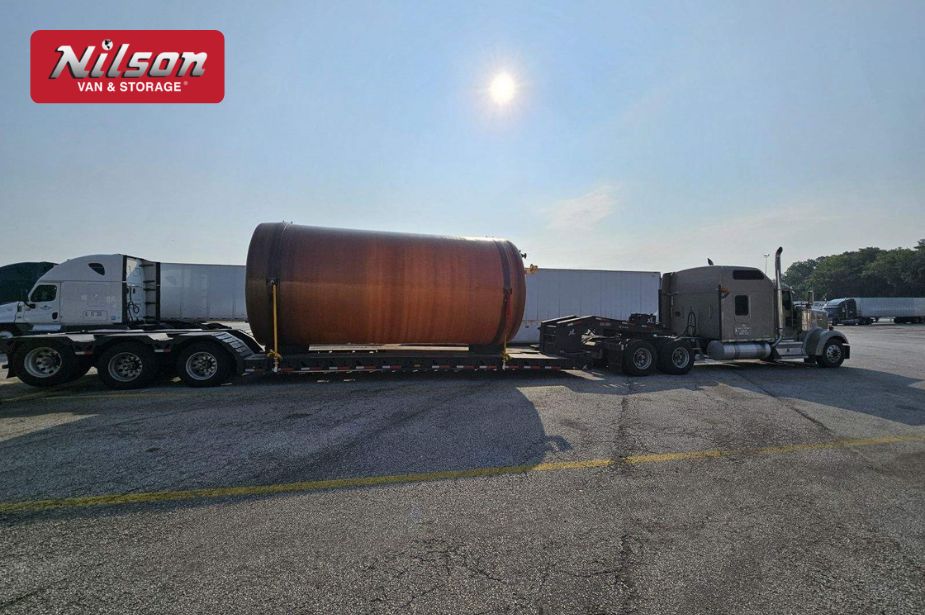
Heavy Equipment Transport in Pinewood, SC can become complicated when a job site sits beyond paved roads, near Lake Marion, or on property with limited turning space. A lowboy or specialized trailer may reach the general area, but the move can still fail without accurate equipment details, route planning, ground-condition information, and a clear unloading plan.
This guide explains how to prepare for equipment hauling in Pinewood, SC, what to share before requesting a quote, and how to coordinate delivery to an unpaved or hard-to-reach site. You will learn how access conditions affect planning, how excavators and other machinery should be prepared, and when working with Nilson Van and Storage can simplify the process.
Planning Heavy Equipment Transport in Pinewood, SC
Moving construction, agricultural, landscaping, or industrial equipment is different from relocating ordinary household goods. The equipment may be oversized, unusually heavy, difficult to steer, or dependent on a specific loading method. A job site that looks accessible in dry weather may present a very different challenge after rain or during active construction.
The earlier the transport team understands the equipment and destination, the more useful the planning conversation becomes. A proper review should address the machine, the route, the delivery window, and the final few hundred feet—not just the distance between the pickup and delivery addresses.
Start With Accurate Equipment Information
Begin by documenting the equipment’s make, model, operating weight, overall height, width, and length. Include attachments, buckets, booms, forks, blades, counterweights, outriggers, ramps, and other components that will travel with the machine. Dimensions can change significantly when an excavator has an attachment installed or when a boom cannot be fully lowered.
Photographs are often as useful as written specifications. Take images from several sides, including the loading points, tracks or tires, access steps, and any damaged or modified areas. If the equipment is being collected from a dealer, rental yard, farm, or active job site, identify who will operate it during loading and who will receive it at delivery.
Weight is especially important. The operating weight may not match the shipping weight shown on a brochure, particularly if fuel, attachments, fluids, or removable components are included. Do not estimate when a manufacturer plate, rental document, or equipment record is available.
Explain the Job Site Before Scheduling
A street address alone rarely describes a difficult delivery. Tell the moving coordinator whether the equipment must travel over gravel, grass, compacted soil, sand, mud, a private lane, or a temporary access road. Also explain whether the road includes steep grades, narrow bridges, sharp turns, low branches, gates, ditches, or soft shoulders.
The delivery area matters just as much as the approach road. A trailer may reach the property but still need room to align for unloading. Identify overhead wires, retaining walls, trenches, recently graded areas, stacked materials, parked vehicles, and other obstacles. If the site is active, explain which areas are available for staging and whether another contractor controls access.
In Pinewood and the broader Lake Marion area, rural properties and developing sites can have changing surface conditions. A route that worked for a pickup truck may not provide the width, turning radius, or ground support needed for heavy machinery transport. Clear information helps the carrier determine what must be reviewed before the move is scheduled.
Build Time for Site Coordination
Heavy equipment delivery often depends on several people being available at the same time. The owner, equipment operator, general contractor, site supervisor, property manager, and transport coordinator may each control part of the process. If one person has the gate key and another controls the unloading area, those responsibilities should be settled before dispatch.
A practical pre-move conversation should confirm the pickup contact, delivery contact, access hours, unloading authority, equipment operating condition, and any restrictions imposed by the property owner or construction manager. This avoids a common problem: the truck arrives, but the person who can clear the path or operate the machine is unavailable.
Tell us about your move and get a personalized quote based on your requirements. 
Evaluating Job Site Access for Heavy Equipment
Job site access for heavy equipment should be evaluated from the public road to the exact unloading point. The last portion of the route is often where avoidable problems appear. A narrow driveway, soft shoulder, low branch, or recently excavated section can affect how the delivery is approached and where the equipment can be placed.
The goal is not to make the property look perfect. The goal is to provide an honest picture so the transport plan matches the actual conditions. When in doubt, send recent photographs or arrange a site review with the appropriate project contact before the move date.
Review the Route in Two Stages
First, review the route to the property. Consider the roads leading to Pinewood, the entrance to the site, bridge or weight restrictions that may apply, and whether the route changes during construction. A navigation app may identify a destination, but it will not necessarily account for trailer length, turning requirements, temporary closures, or a private road’s condition.
Second, review the property itself. Measure narrow gates and driveways rather than relying on visual estimates. Check the height of branches and wires, note any steep slopes, and identify a firm area where the trailer can position for loading or unloading. If the equipment must be driven after unloading, confirm that the surface can accommodate its tracks or tires without damaging the property or becoming immobilized.
Consider Weather and Ground Conditions
Unpaved sites are especially sensitive to recent weather. Rain can soften clay, gravel shoulders, field entrances, and temporary roads. Dry conditions can create loose dust or uneven surfaces. A route that is workable for a small service vehicle may not support a loaded trailer or allow the equipment to leave the trailer as planned.
This does not mean every unpaved delivery must be postponed. It means the condition of the access route should be discussed honestly before loading. A site manager may need to improve a driveway, add aggregate, remove standing water, relocate materials, or identify an alternate staging area. Those property-side decisions belong to the site owner or contractor, but they directly affect the transport plan.
Identify the Final Placement Area
Tell the coordinator where the machinery should be placed—not merely where the property begins. For example, an excavator might need to arrive beside a foundation, behind a gate, near a drainage project, or at the far end of a wooded lot. The preferred location may not be reachable by the trailer itself.
If the machine will be unloaded at one point and driven to another, confirm who will operate it and whether that travel path is open. Remove loose materials, parked vehicles, temporary fencing, and other obstructions before arrival. Do not assume the transport crew can rearrange construction materials or alter the property to create access.
Read also: How to Choose the Right Heavy Equipment Transport in Camden, SC
Tell us about your move and get a personalized quote based on your requirements.
Preparing Excavators and Machinery for Transport
Equipment preparation affects loading, space requirements, timing, and the condition of the machine when it arrives. The exact preparation steps depend on the equipment type and the transport arrangement, so the owner or qualified equipment operator should follow the manufacturer’s instructions and the carrier’s requirements.
The best preparation is completed before the transport team arrives. Last-minute draining, attachment removal, or troubleshooting can delay the pickup and may create confusion about what is included in the shipment.
Prepare the Machine and Attachments
Clean heavy mud, packed soil, loose debris, and material from the equipment when practical. Excess material can add weight and may fall during handling. Secure or remove attachments according to the equipment’s design and the transport plan. Buckets, forks, booms, blades, and other components may affect the machine’s final dimensions even when they remain attached.
Check that doors, panels, hoods, access steps, and removable parts are closed or secured. Protect components that could shift, scrape, or interfere with loading. If the machine has special loading instructions, hydraulic requirements, unusual controls, or a known mechanical issue, provide that information in advance.
For excavator transport in Pinewood, confirm the position of the boom, stick, bucket, and counterweight before the machine is presented for loading. Different excavator models have different transport profiles, so the carrier should receive the actual dimensions rather than a general description such as “medium excavator.”
Document Existing Condition
Take dated photographs before pickup. Include all sides, tracks or tires, attachments, control areas, glass, mirrors, body panels, and any existing dents or scratches. A simple written condition record can help both parties understand what was present before transportation.
Keep keys, operating instructions, access codes, and equipment documents available for the designated contacts. If the machine is rented or financed, verify whether the owner requires specific release paperwork or notification before it leaves the property.
Confirm Loading and Unloading Responsibilities
Some equipment can be driven onto a trailer by an experienced operator. Other machinery may require a different loading method or a machine capable of assisting with placement. Clarify who will operate the equipment and whether that person will be present at pickup and delivery.
The carrier should not be expected to guess how a machine operates or discover a mechanical problem at the loading point. If the equipment does not start, steer, brake, or move as expected, explain that before the quote is prepared. Non-running equipment may require different arrangements than operational machinery.
Coordinate the Site Team
Assign one person at pickup and one at delivery to make decisions. Share their names and phone numbers, along with the expected arrival window and access instructions. On an active construction site, notify the crew about the delivery so vehicles, materials, lifts, and temporary barriers can be moved before the trailer arrives.
Nilson Van and Storage can help customers organize the information needed for a moving quote, but site personnel remain responsible for property access, equipment operation, and any permissions required by the owner or project manager. Clear division of responsibility keeps the handoff practical and reduces delays.
Have questions about your upcoming move? Our team is ready to help.
Choosing a Transport Plan for Remote or Unpaved Sites
There is no single transport arrangement that fits every piece of heavy equipment. The right approach depends on the machine’s dimensions, weight, operating condition, pickup location, route, delivery surface, and unloading requirements. A useful quote should reflect those details instead of treating the move as a simple point-to-point shipment.
For customers comparing equipment hauling in Pinewood, SC, the most important question is not only what the move costs. It is whether the proposed plan accounts for the real site conditions and the people who must be present to complete the handoff.
Match the Equipment to the Move
A compact machine, agricultural implement, skid steer, excavator, or larger construction unit may each require a different arrangement. Dimensions can affect trailer selection, route planning, loading orientation, and the amount of room needed at delivery. Attachments may travel with the primary machine or require separate handling.
Provide the full equipment list at the beginning. Adding a bucket, mower, generator, pallet of parts, or second machine after the quote can change the space and weight assumptions. If the equipment is being collected from more than one location, identify every pickup point before scheduling.
Plan for the Last-Mile Handoff
The final approach deserves its own plan. Determine where the transport vehicle can stop, where the equipment can be unloaded, and how the machine will reach its working position afterward. On a rural site, the practical unloading point may be at the edge of a field, near a county road, or on a stabilized section of driveway rather than beside the work area.
If the property has a gate, verify its width and opening direction. If a temporary access road is involved, identify who maintains it and who can confirm its condition on the delivery date. If a private road crosses another property, obtain permission before the move is scheduled.
Read Also: Local or Long-Distance? How to Plan Heavy Equipment Transport in East Sumter, SC
Compare Quotes Based on Scope
When comparing quotes, check whether each provider received the same information. A lower figure may reflect a different assumption about equipment weight, loading assistance, access, attachments, delivery location, or timing. Ask what is included, what the customer must provide, and which conditions could require a revised plan.
For local and intrastate moves in South Carolina, Nilson Van and Storage states that moves are non-binding. That makes accurate information and timely communication especially important when site conditions or shipment details change. The company also states that it does not charge cancellation fees. Confirm the current terms for your specific move when requesting a quote.
Valuation coverage is different from insurance. Ask what valuation coverage is available for the shipment and what conditions apply. Do not assume that valuation coverage replaces commercial equipment insurance, machinery breakdown coverage, or a policy required by a lender, rental company, or project contract.
Account for Timing and Project Coordination
Heavy machinery may be needed before a concrete pour, grading phase, agricultural deadline, or equipment rental return. Discuss the preferred delivery window early, but avoid treating an estimated schedule as a guarantee until the details and availability are confirmed. Weather, access changes, equipment readiness, and project delays can all affect coordination.
For a Sumter County heavy haul connected to a Pinewood or Lake Marion area project, provide the transport team with the project schedule and the latest access information. If the site changes between the initial conversation and pickup, update the coordinator rather than waiting until the driver arrives.
According to Market Research Future, the global moving services market is expected to grow from USD 20.71 billion in 2024 to approximately USD 30.01 billion by 2035, representing a CAGR of 3.43% during the 2025–2035 forecast period.
Read Also: A Business Owner’s Guide to Heavy Equipment Transport in Pooler, GA for Warehouse Moves
Wrapping Up
Heavy Equipment Transport in Pinewood, SC requires more than a pickup address and a machine description. The strongest plans account for operating weight, complete dimensions, attachments, route conditions, gates, overhead clearance, turning space, ground conditions, unloading authority, and the exact location where the equipment will be placed.
For machinery transport to unpaved sites, accurate details are especially valuable. Recent photos, measurements, equipment records, and a named site contact give the moving team a clearer basis for planning and quoting. They also help identify property-side work that should be completed before the delivery window.
Whether you need excavator transport in Pinewood, equipment hauling near Lake Marion, or a larger Sumter County heavy haul, compare providers by the quality of their questions as well as the quoted amount. Nilson Van and Storage can discuss the equipment, pickup conditions, delivery route, access concerns, and valuation coverage available for your move. Start the conversation with complete information so you can make a practical decision about the next step.


FAQs - Heavy Equipment Transport in Pinewood, SC
Our Recent Articles
Stay informed and inspired with the latest tips, insights, and updates from the Nilson Van and Storage blog. From expert packing advice and moving checklists to stories about our commitment to the community, our articles are here to make your relocation journey smoother and stress-free. Explore our recent posts to discover how we’re redefining the moving experience for Columbia, Myrtle Beach, Charleston, Sumter, Savannah, and beyond.
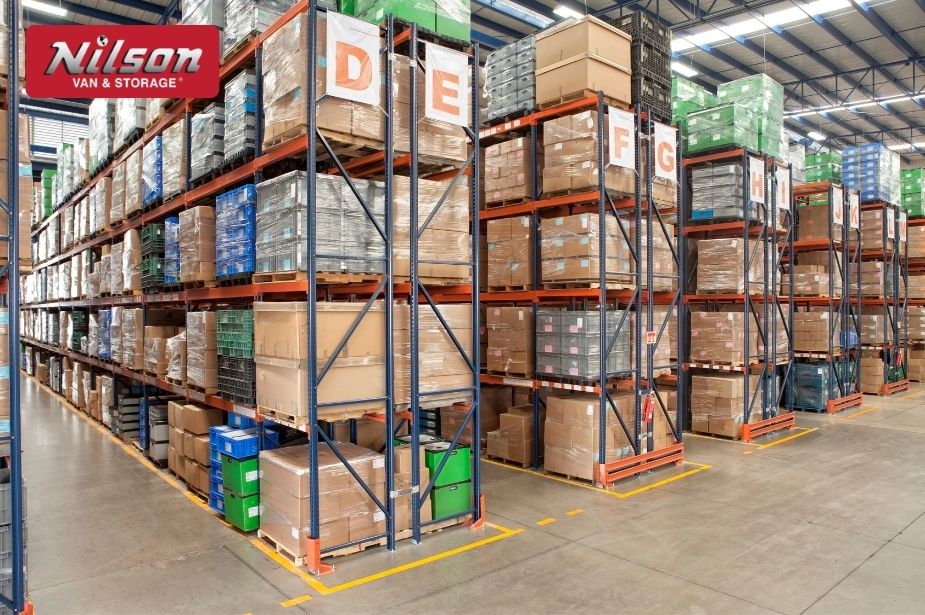
How to Choose the Right Warehouse Facility for Your Business
Data Center Relocation Checklist: Key Steps for a Successful IT Move