Local or Long-Distance? How to Plan Heavy Equipment Transport in East Sumter, SC
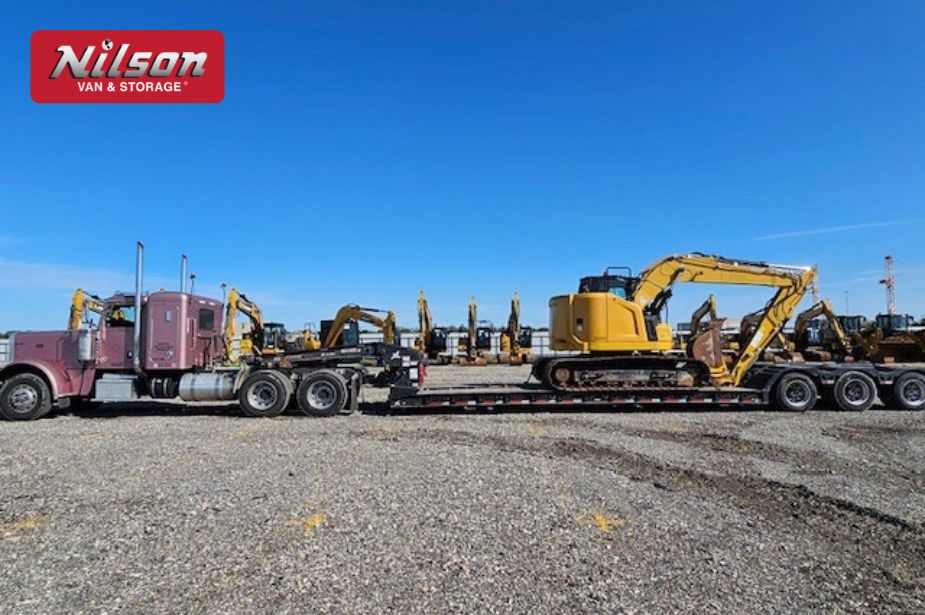
Heavy Equipment Transport in East Sumter, SC requires more than scheduling a truck because the route, equipment dimensions, loading method, access conditions, and delivery timing all affect the plan. Whether you are moving a compact excavator across Sumter County or arranging a longer shipment across state lines, small planning gaps can create delays, added handling, or difficult site conditions.
This guide explains how to compare local and long-distance equipment hauling, prepare machinery for loading, evaluate route and permit needs, and choose the right level of moving support. You will also learn what information to provide when requesting a quote from Nilson Van and Storage so the plan reflects your equipment and actual pickup and delivery conditions.
Heavy Equipment Transport in East Sumter, SC Starts With the Right Route Plan
The first decision is not simply how far the equipment must travel. It is how the equipment will move from its current position to the loading point, along the transportation route, and into the destination property. A short move can require more coordination than a longer shipment when access is limited, the equipment is unusually shaped, or the pickup and delivery locations operate on tight schedules.
Start With Equipment Details, Not Distance Alone
Before discussing a route, document the equipment being moved. The transport provider will generally need the make and model, approximate dimensions, operating weight, condition, and any attachments that will travel with the machine. A machine with a bucket, blade, forks, boom, or other removable component may have a very different loading profile after those pieces are detached.
Include the following information in your initial inquiry:
- Equipment type, model, approximate weight, length, width, and height
- Whether the machine runs, rolls, steers, and can be loaded under its own power
- Attachments, loose parts, keys, batteries, fluids, and accessories traveling with it
- Pickup and delivery addresses, site contacts, preferred dates, and access restrictions
Measurements should be taken in the condition in which the equipment will be transported. For example, a compact excavator with its boom folded may fit a different loading plan than one positioned for immediate use. If the dimensions are estimates, identify them as estimates rather than presenting them as final specifications.
Understand the Difference Between Pickup Distance and Transport Complexity
Local equipment hauling in East Sumter may involve a short driving distance, but the team still has to manage loading, positioning, property access, and delivery placement. A long-distance move may cover more miles while using a straightforward pickup and destination layout. The more useful comparison is the total number of conditions that must be coordinated.
Consider whether the equipment is located behind a gate, inside a warehouse, on soft ground, near overhead obstructions, or in an active work area. Also consider whether the destination has a receiving window or requires advance coordination with a property manager. These details often influence the plan more than mileage alone.
Confirm What “Transport” Includes for Your Project
Equipment transport can involve different levels of preparation. Some customers need transportation only after the machine is ready at the loading point. Others need help coordinating packing, loading, securing, storage, or delivery timing. Those are separate planning questions and should be discussed before the quote is finalized.
At Nilson Van and Storage, the most useful starting point is a complete description of the equipment and the two sites. That gives the moving team a better basis for discussing the available service approach instead of relying on a generic estimate.
Tell us about your move and get a personalized quote based on your requirements. 
When Should You Choose Local Equipment Hauling or a Long-Distance Heavy Haul?
Local and long-distance equipment moves share the same need for accurate information, but they differ in coordination, timing, route planning, and documentation. Choosing the correct category early helps you ask better questions and avoid treating a complex shipment like a basic local move.
Local Equipment Hauling in East Sumter
A local move may be appropriate when pickup and delivery remain within the nearby area or within South Carolina. Typical situations include relocating a machine between job sites, moving equipment from a residential property to a contractor yard, transferring machinery during a renovation, or delivering a purchased item to a local facility.
Local hauling often gives you more flexibility with scheduling, but that does not eliminate site planning. A narrow driveway, steep approach, construction activity, low branches, or limited turning area can affect loading and delivery. If the equipment is being moved from a job site, identify whether workers, materials, fencing, or temporary structures will need to be cleared before arrival.
For local and intrastate moves in South Carolina, Nilson Van and Storage states that moves are non-binding. That means the final charges can depend on the actual services, conditions, and work involved. Ask what information is needed for the estimate and which circumstances could change the final amount.
Long-Distance Heavy Haul
A long-distance heavy haul may involve multiple handoffs in planning, longer scheduling windows, additional route review, and more detailed pickup and delivery coordination. The equipment may cross several jurisdictions, encounter different site rules, or require a delivery appointment that must be arranged well in advance.
Long-distance planning becomes especially important when the equipment is oversized, unusually tall, wide, heavy, or difficult to load. The provider needs accurate specifications before determining whether special routing or permit coordination may apply. Do not assume that a machine described as “standard size” by a seller or operator will fit the transport plan without verification.
Interstate Equipment Transport and Multi-State Moves
Interstate equipment transport requires attention to the requirements that may apply across the route. Multi-state oversize permits, route restrictions, travel limitations, and jurisdiction-specific requirements can vary based on the equipment’s loaded dimensions, weight, configuration, and route. The exact requirements should be confirmed for the shipment rather than assumed from a previous move.
Your role is to provide complete equipment information and reliable pickup and delivery details. The transport provider can then explain what route and documentation questions need to be reviewed. If the machine will be altered before pickup, such as removing an attachment or lowering a component, update the specifications before the plan is finalized.
A Practical Decision Rule
Choose the service approach based on the full move profile:
- Local equipment hauling may fit a shorter in-state relocation with straightforward sites and standard coordination needs.
- A long-distance heavy haul may require more advance route planning, scheduling, and communication across the shipment.
- Interstate equipment transport deserves early review when dimensions, weight, or state-by-state requirements could affect the route.
The correct choice is not determined by mileage alone. It is determined by the equipment, route, access, timing, and level of preparation required.
Tell us about your move and get a personalized quote based on your requirements.
How to Prepare Heavy Equipment for Pickup and Delivery
Preparation affects the loading process, the accuracy of the quote, and the condition in which the equipment arrives. A professional moving plan cannot compensate for missing dimensions, an inaccessible pickup point, or a machine that is not ready when the crew arrives. Preparing the equipment and both properties in advance gives everyone a clearer handoff.
Make the Equipment Ready to Move
Begin with the manufacturer’s instructions or the equipment owner’s established preparation procedures. Depending on the machine, preparation may include removing attachments, lowering or securing movable components, draining or managing fluids as required, disconnecting batteries, securing doors or panels, and protecting loose parts.
Do not make mechanical changes without understanding how they affect the equipment or transport configuration. If the machine is not operational, does not steer, has damaged tracks or tires, or cannot be loaded under its own power, disclose that before the quote. Non-operational equipment may require different loading arrangements.
Photograph the equipment before pickup. Take wide photographs of each side and closer images of existing scratches, dents, cracks, worn areas, controls, attachments, and serial-number plates. These images create a practical record of condition and can help resolve uncertainty during the handoff.
Prepare the Pickup Site
The pickup location should be reviewed as a working area, not just an address. Confirm the access route from the public entrance to the loading position, including gate width, driveway surface, turning space, overhead clearance, grades, and any areas that may become difficult after rain.
Tell the coordinator about conditions that may not appear on an online map. Examples include a locked gate, shared driveway, active construction, underground work, temporary fencing, a bridge or culvert, or a requirement to check in with a site office. Provide a contact who will be present or reachable when the crew arrives.
If the equipment is on a commercial site, coordinate with the site supervisor before the appointment. The machine may need to be moved away from other materials or positioned where loading can occur without interrupting operations.
Prepare the Destination Site
The receiving location needs the same level of attention. Decide where the equipment should be placed before delivery, then check whether the truck and loaded equipment can reach that area. A destination that accepts delivery at the street may not have enough room for final placement inside a yard or building.
Confirm who will receive the equipment, whether a delivery window is required, and whether the receiving party needs advance notice. If the machine will be used immediately, allow time for inspection, reassembly, fluid checks, or operational preparation rather than scheduling use at the exact expected arrival time.
Account for Attachments and Loose Items
Attachments create frequent misunderstandings. A bucket, blade, forks, auger, grapple, or tool cabinet may be part of the move, but it may not travel attached to the primary machine. List every component that needs to move and identify whether it is secured, boxed, palletized, or loose.
When requesting equipment hauling in East Sumter SC, provide photographs and measurements of separate items as well as the main machine. Clear information at the beginning reduces last-minute changes and gives the provider a more realistic picture of the shipment.
Our moving experts are here to assist you.
What to Confirm About Access, Permits, Timing, and Valuation
The most difficult part of heavy equipment transport is often not the equipment itself. It is the interaction between route requirements, property access, scheduling, and responsibility for the shipment. A written conversation about these points helps prevent assumptions that can create problems later.
Ask How Route and Permit Questions Are Handled
For equipment that may exceed ordinary transportation dimensions or weight limits, ask which specifications will be reviewed and who is responsible for permit coordination. Multi-state oversize permits can involve different jurisdictions and may depend on the loaded configuration and planned route. Requirements can change when the equipment dimensions change, so the final configuration matters.
You do not need to determine every permit requirement on your own. You do need to provide accurate information and ask how the provider will evaluate the shipment. A vague description such as “one large machine” is not enough for meaningful route planning.
Establish a Realistic Schedule
Avoid promising a job-site deadline before the transportation plan is confirmed. Pickup availability, equipment readiness, site access, route requirements, delivery appointments, and changes in the machine configuration can all affect timing. A better approach is to identify the date range that matters, the date by which the equipment must be operational, and any dates when pickup or delivery cannot occur.
For commercial customers, connect the move to the larger work schedule. If the machine supports a construction phase, utility project, landscaping contract, or warehouse operation, identify the cost of having it unavailable. That information can help the moving team understand which scheduling details deserve the most attention.
Review Loading and Site Responsibilities
Clarify what must be completed before arrival. Questions may include whether the equipment needs to be moved to a specific loading area, whether a person with authority to release it must be present, and whether additional machinery or labor is needed for loading. The answer depends on the equipment and the service arrangement, so it should be confirmed for the individual shipment.
Also clarify delivery placement. Transportation to the property and positioning the equipment exactly where it will be used may not be the same task. If final placement is important, describe the desired position and site limitations in advance.
Understand Valuation Coverage
Nilson Van and Storage provides valuation coverage, which should not be referred to as insurance. Ask what valuation option applies to your move, what information is needed, and how the process works for a high-value or specialized machine. Keep purchase records, photographs, serial numbers, and repair documentation available.
Valuation coverage does not replace preparation. It is still important to document existing condition, disclose known damage, identify all components, and understand the terms that apply to the specific move.
Confirm Cancellation and Estimate Terms
Nilson Van and Storage does not charge cancellation fees. Even so, notifying the company promptly when plans change is practical because equipment moves involve scheduling, site contacts, and route preparation.
For local and intrastate moves in South Carolina, estimates are non-binding. Discuss what the estimate includes and which actual conditions could affect the final charge. For any move, request clear explanations of services, access assumptions, storage timing if relevant, and changes that would require an updated review.
Read Also: A Business Owner’s Guide to Heavy Equipment Transport in Pooler, GA for Warehouse Moves
How to Select a Moving Partner for Sumter Equipment Movers
A provider should be evaluated on more than whether it can quote a route. The better question is whether the company asks the right questions before the move and communicates clearly when the equipment, site, or schedule does not match the original information.
Look for Relevant Planning Questions
A useful consultation should address equipment dimensions, operating condition, attachments, pickup access, destination access, dates, route length, and any known restrictions. If those details never come up, the estimate may not reflect the actual work involved.
You should also receive a clear explanation of what happens next. That may include submitting photographs, confirming measurements, reviewing the service scope, coordinating site contacts, or discussing storage if pickup and delivery dates do not align.
Compare the Service Scope, Not Just the Price
The lowest initial number may not be the lowest total cost if it excludes preparation, access complications, additional handling, or a necessary schedule adjustment. Compare estimates using the same information and ask whether each provider has accounted for the same equipment, attachments, pickup conditions, destination, and requested services.
For a business, also compare communication expectations. Identify who will provide updates, who can approve changes, and how quickly the company needs notice when site conditions change. A single point of contact can be especially useful when the equipment is part of a larger project.
Consider Storage When Dates Do Not Align
Sometimes the equipment is ready before the destination can receive it. Other times a property closes before the machine can be collected. In those cases, storage may be part of the overall plan rather than an unrelated service. Discuss the storage period, access needs, inventory, and transfer from storage to delivery before assuming that a split schedule will be simple.
Nilson Van and Storage offers storage as part of its broader moving and relocation services, subject to the details of the project. Ask how storage would fit into the equipment move and what information is needed to plan the transition.
Build a Written Move Summary
Before the appointment, keep a written summary containing the equipment description, dimensions, condition, attachments, pickup contact, destination contact, access notes, preferred dates, and agreed service scope. Send updates if any of those details change.
This summary is useful for contractors, property managers, purchasing departments, and equipment owners because it gives every participant the same reference point. It also helps identify unresolved questions before they become day-of-move problems.
For customers in East Sumter and the wider Sumter area, Nilson Van and Storage can discuss the moving requirements and determine what information is needed to evaluate the shipment. The goal is not to force every equipment move into the same process. It is to match the planning approach to the machine and the route.
According to Market Research Future, the global moving services market is expected to grow from USD 20.71 billion in 2024 to approximately USD 30.01 billion by 2035, representing a CAGR of 3.43% during the 2025–2035 forecast period.
Read Also: Heavy Equipment Transport in Dalzell, SC: How to Plan Moves Between Job Sites
Wrapping Up
Heavy Equipment Transport in East Sumter, SC should be planned around the complete move rather than mileage alone. Local equipment hauling may be the right fit for a nearby job-site transfer, while a long-distance heavy haul or interstate equipment transport may require more route review, documentation, scheduling, and coordination. Equipment dimensions, operating condition, attachments, access, delivery placement, and timing all matter.
Before requesting a quote, gather accurate measurements, photograph the machine, identify site restrictions, prepare both pickup and delivery contacts, and explain any deadline that affects your project. Ask how permits, loading responsibilities, valuation coverage, storage, estimate terms, and schedule changes will be handled.
Nilson Van and Storage can help customers evaluate the practical requirements of an equipment move in the Sumter area and beyond. With complete information at the beginning, you can make a more informed decision about local equipment hauling East Sumter, a long-distance route, or a broader interstate plan.


FAQs About Heavy Equipment Transport in East Sumter, SC
Our Recent Articles
Stay informed and inspired with the latest tips, insights, and updates from the Nilson Van and Storage blog. From expert packing advice and moving checklists to stories about our commitment to the community, our articles are here to make your relocation journey smoother and stress-free. Explore our recent posts to discover how we’re redefining the moving experience for Columbia, Myrtle Beach, Charleston, Sumter, Savannah, and beyond.
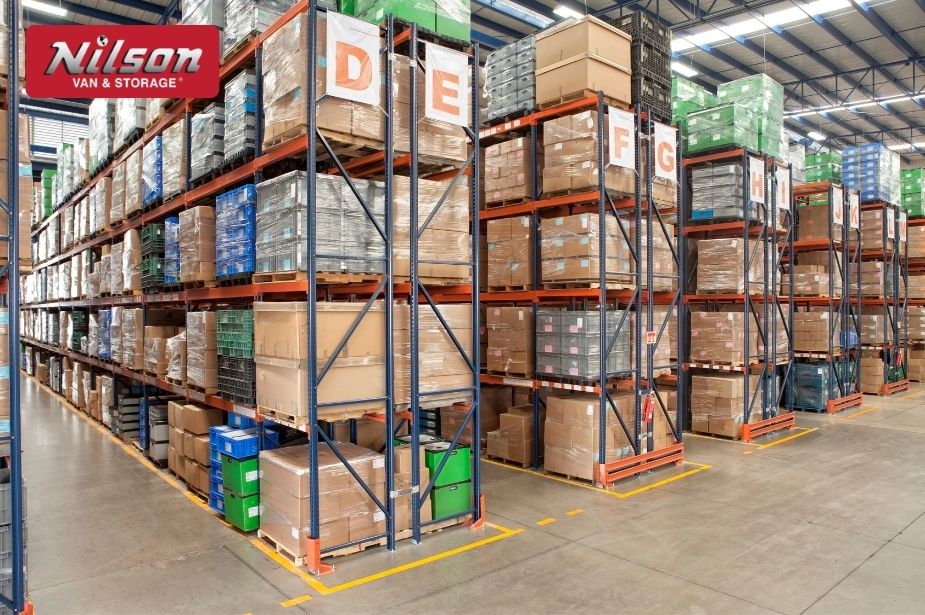
How to Choose the Right Warehouse Facility for Your Business
Data Center Relocation Checklist: Key Steps for a Successful IT Move