How to Choose the Right Heavy Equipment Transport in Camden, SC
Heavy Equipment Transport in Camden, SC can become complicated quickly when the machine is oversized, unusually heavy, difficult to access, or needed at a jobsite on a firm deadline. Choosing a carrier is not simply a matter of finding the lowest number; the equipment, trailer, route, loading method, permits, and delivery conditions all need to work together.
This guide explains how to evaluate a heavy equipment hauling company in Camden, what information to prepare before requesting a quote, when lowboy trailer transport may be appropriate, and which questions can reveal whether a provider is prepared for your move. You will also learn how Nilson Van and Storage can fit into the planning process when your project requires experienced coordination for equipment transportation.
Choosing Heavy Equipment Transport in Camden, SC
The right transportation plan begins with understanding the move itself. A compact excavator traveling from one accessible yard to another may require a very different setup from a loaded wheel loader, agricultural machine, crane component, or construction attachment being delivered to a restricted site.
When customers call about machinery movers in Camden, the most useful first conversation is usually not about a trailer. It is about the complete move: what is being transported, where it is located, where it is going, and what conditions exist at both ends.
Start With the Equipment, Not the Trailer
Provide the machine’s make, model, operating weight, dimensions, and any attachments. If the equipment has removable components, identify them separately. A bucket, boom, counterweight, blade, forks, or other attachment can affect both the overall dimensions and the loading plan.
Operating weight is especially important. The transport weight may differ from the number shown in a general equipment brochure, particularly when fuel, attachments, fluids, accessories, or modifications are included. A carrier needs the actual configuration being moved rather than an approximate model description.
Photographs are often valuable during the quoting stage. Include side, front, and rear views, the loading area, the machine’s tires or tracks, and any visible damage that should be documented before handling. Photos cannot replace accurate measurements, but they can reveal access issues that are easy to overlook during a phone call.
Identify the Pickup and Delivery Conditions
A machine can be transportable in theory but difficult to collect or deliver at a particular location. Consider whether the equipment is currently operating, whether it can be driven onto a trailer, and whether the ground is firm and level enough for loading. Mud, loose gravel, steep grades, overhead obstructions, narrow entrances, and soft shoulders can change the plan.
At the delivery site, determine where the trailer can stop and whether the equipment must travel across a yard, enter a gate, or reach a specific work area. A commercial construction site may have changing conditions, while a farm or private property may have limited turning room. The carrier needs current site information, not only a street address.
Clarify the Project Schedule
Equipment transportation is often connected to a larger operation. A contractor may have a crew waiting, a rental period may be ending, or a machine may be needed before a concrete pour, grading phase, harvest period, or site inspection. Explain the date requirement and whether the date is fixed, preferred, or flexible.
Flexible scheduling may provide more planning options, but a fixed deadline should be discussed early. Availability, equipment type, route considerations, loading requirements, and pickup conditions all influence whether a requested date can be accommodated. A professional carrier should be clear about what has been confirmed and what still requires verification.
Tell us about your move and get a personalized quote based on your requirements. 
What Should a Heavy Equipment Hauling Company Camden Provide?
A qualified heavy equipment hauling company Camden customers can rely on should do more than quote a vehicle and a mileage charge. The company should ask enough questions to understand the move, explain the information needed for planning, and identify issues before the truck arrives.
The quality of the intake process is often a useful indicator of the quality of the overall coordination. If a provider does not ask about dimensions, weight, attachments, access, or the delivery site, you may not have enough information to compare the quote accurately.
Look for a Detailed Scope of Work
A useful quote or planning discussion should make clear what the transportation service includes and what the customer must arrange. Depending on the move, relevant details may include pickup and delivery addresses, equipment description, estimated dimensions and weight, loading responsibilities, access conditions, scheduling assumptions, and any special handling requirements.
Ask whether the provider has based the estimate on measurements supplied by you, a site review, photographs, or another source. If the dimensions or weight are still estimates, the quote may need to be revisited when more precise information becomes available.
This is also the time to ask about valuation coverage. Moving and transportation contracts can use different terms, and valuation coverage should not be casually described as insurance. Ask what coverage applies to your specific shipment, what conditions or limitations are involved, and what documentation is required if an issue arises.
Confirm the Transportation Method
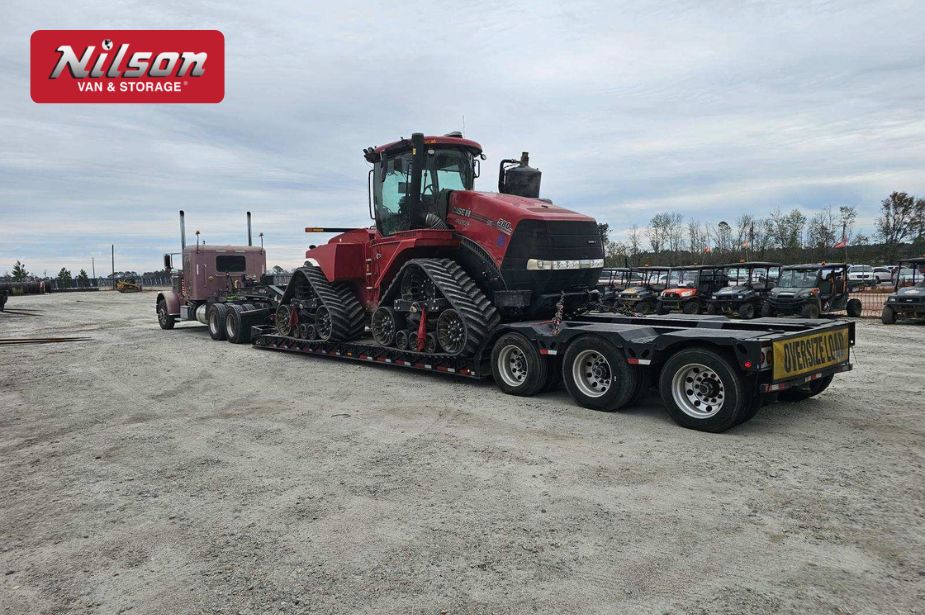
A lowboy trailer is commonly considered for equipment that is tall, heavy, or difficult to load onto a standard flatbed. Its lower deck can help address certain height and loading considerations, but the correct trailer depends on the machine’s weight, dimensions, ground clearance, loading method, and route.
Lowboy trailer transport in Camden is not automatically the best choice for every machine. Some equipment may require a different trailer configuration, partial disassembly, a detachable gooseneck arrangement, ramps, a winch, or specialized loading coordination. The carrier should explain why a particular setup fits the equipment rather than presenting a trailer name as the complete solution.
Do not assume that a trailer’s advertised capacity means it is appropriate for your move. Capacity, deck dimensions, axle configuration, route restrictions, and the loaded combination all matter. The final transportation plan should be based on the equipment’s actual configuration and the applicable requirements for the trip.
Ask How Changes Are Handled
Heavy equipment moves can change after the initial request. The machine may be relocated, an attachment may remain installed, the jobsite may not be ready, or the loading surface may become inaccessible. Ask how changes to dimensions, weight, addresses, dates, or site conditions affect the estimate and scheduling.
Clear change communication prevents avoidable surprises. Keep a written record of the equipment description, agreed locations, requested date, access instructions, and any revisions. If multiple people are involved, designate one project contact who can approve updates and answer questions promptly.
Understand Valuation, Documents, and Responsibilities
Before booking, request a clear explanation of the documents associated with the move. Review the transportation agreement, estimate, valuation information, pickup and delivery details, and any instructions concerning preparation or site access.
For South Carolina local and intrastate moves, Nilson Van and Storage states that moves are non-binding. That means an estimate should be treated as an informed planning figure rather than an unconditional final price. The actual amount can depend on the confirmed scope, equipment, services, access, and other move details. Ask questions before scheduling if any part of the estimate is unclear.
Nilson Van and Storage also states that it does not charge cancellation fees. Even with that policy, communicating a change as early as possible is practical because a canceled or postponed equipment move may affect dispatch planning, site coordination, and the availability of a replacement date.
Compare Planning Quality, Not Just Price
When evaluating an equipment transport near me search result, compare the assumptions behind each proposal. One quote may exclude loading assistance, difficult access, waiting time, permits, or special preparation while another may account for them. A lower initial figure is not necessarily lower after the scope is corrected.
Use these questions during comparison:
- What equipment details were used to prepare the estimate?
- What trailer and loading method are being considered, and why?
- Which responsibilities belong to the carrier, equipment owner, site manager, or other contractor?
- A professional response should help you understand the plan, not pressure you to commit before the important details are known.
Heavy Equipment Transport in Camden, SC becomes easier to evaluate when every provider is responding to the same information. Send the same equipment specifications, photographs, addresses, access notes, and schedule requirements to each company so the comparison is meaningful.
Tell us about your move and get a personalized quote based on your requirements.
Planning Lowboy Trailer Transport and Oversize Loads
Many equipment moves become complex because of dimensions rather than distance. A machine may be heavy but compact, or relatively light but tall and wide. The transportation plan must account for the loaded combination, not just the equipment by itself.
South Carolina oversize load transport requirements can vary according to the equipment, dimensions, weight, route, and jurisdiction involved. Permit needs, travel conditions, escort requirements, and route restrictions should be verified for the specific move. Customers should be cautious of any provider that gives a blanket answer without first reviewing the equipment and route.
Measure the Complete Configuration
Measure length, width, height, and weight as the machine will actually travel. Include attachments, raised or folded components, outriggers, mirrors, exhaust extensions, and anything else that changes the profile. If a component can be removed, determine whether removing it is practical and how it will be transported or secured separately.
Height deserves particular attention. A machine that fits through a facility entrance may create a different clearance issue once placed on a trailer. Route geometry, overhead utilities, bridges, signs, and other physical features can matter. Customers should provide known restrictions, but route evaluation should be handled as part of the carrier’s planning process when applicable.
Prepare the Machine for Loading
Ask what preparation is required before the carrier arrives. Depending on the machine, preparation may include removing loose items, lowering or securing movable components, cleaning excessive mud from tracks, checking that the equipment can start and move, or arranging a qualified operator for loading.
Do not improvise disassembly or attempt a loading procedure that the equipment owner is not qualified to perform. If a machine is inoperable, has hydraulic issues, cannot steer, or is positioned where it cannot be approached by the planned trailer, the original transportation assumptions may no longer apply.
Document the machine’s condition before pickup. Photographs of the sides, corners, tracks, tires, attachments, controls, and existing marks can help establish a clear record. Remove personal items and confirm whether keys, access codes, or operating instructions need to accompany the equipment.
Coordinate the Route and Site Access
A route is more than two points on a map. The carrier may need to consider the loaded height and width, turning areas, road restrictions, construction activity, bridge information, municipal requirements, and the practical location where the trailer can stop. The selected route may not be the same as the route a passenger vehicle would use.
At the destination, establish a delivery contact who knows when the equipment is arriving and where it should be placed. Confirm whether the site has a firm surface, adequate turning room, and space for unloading. If the jobsite is active, coordinate with the foreman or site manager so crews, materials, barriers, and other vehicles do not block the planned access point.
Plan for Delays Without Losing Control
Weather, site readiness, equipment condition, route restrictions, and changes in construction schedules can affect a planned move. A practical contingency plan identifies who will make decisions if the site is not ready, where the machine can wait, and how schedule changes will be communicated.
This does not mean every delay is predictable. It means the project team knows which details require immediate attention. A single contact person, current phone numbers, written access directions, and prompt updates can prevent a minor change from becoming a failed delivery attempt.
At Nilson Van and Storage, the most useful planning conversations happen before dispatch details are finalized. Sharing accurate information early gives the team a better basis for reviewing service fit, scheduling, and the requirements of the particular equipment move.
Our moving experts are here to assist you.
How Much Does Equipment Transport Near Me Cost?
The cost of equipment transport near me depends on the full scope of the move, not simply the number of miles between Camden and the destination. Weight, dimensions, trailer requirements, loading conditions, access, scheduling, route considerations, and the services included can all influence the estimate.
Because these factors vary from one machine to another, a responsible provider should avoid giving a precise price based only on a short description such as “haul an excavator.” A useful request for quote gives the carrier enough detail to identify the likely transportation method and the issues that need confirmation.
Information That Makes a Quote More Useful
Prepare the equipment year, make, model, operating weight, travel dimensions, attachment list, and current condition. Include pickup and delivery addresses, desired dates, loading and unloading conditions, and whether the machine can be driven onto the trailer.
Photographs of the equipment and both locations can improve the initial review. Also identify known restrictions such as a narrow gate, low entrance, steep driveway, limited staging space, soft ground, or a delivery location inside an active work zone. It is better to disclose a difficult condition before booking than after a trailer arrives.
Separate Transportation From Site Work
Equipment transportation may not include every service needed at a jobsite. The owner or general contractor may need to provide an operator, crane, forklift, disassembly, reassembly, grading, traffic control, or access preparation. Those responsibilities should be confirmed rather than assumed.
For example, a machine that cannot start may require a different loading approach from one that can be driven onto ramps. A delivery site without sufficient room to unload may require a revised placement plan or additional site coordination. The estimate should reflect the actual service scope as closely as possible.
Review the Estimate Before Accepting
Read the estimate for the equipment description, addresses, requested service, schedule assumptions, and any conditions that could affect the final amount. Ask how changes are handled if the equipment dimensions, attachments, access, or dates change.
For a South Carolina local or intrastate move, remember that Nilson Van and Storage identifies these moves as non-binding. This is an important distinction when budgeting. Request clarification on the factors that could change the amount, and keep the equipment information current throughout planning.
A good quote discussion should leave you with fewer unanswered questions. If you cannot tell what is included, which party handles loading, or what information remains unverified, pause before comparing the number with other proposals.
Preparing for Pickup and Delivery in Camden
Once the transportation method is selected, the remaining work is coordination. The carrier, equipment owner, contractor, property manager, and receiving site may all have different responsibilities. Putting those responsibilities in writing helps prevent confusion on moving day.
Camden-area projects can involve residential properties, farms, manufacturing facilities, commercial sites, and construction zones. Each setting creates different access and communication needs. A plan that works for an open equipment yard may not work for a downtown delivery, a gated property, or a jobsite with active earthwork.
Create a Pickup Checklist
Before pickup, confirm that the equipment is in the condition described, loose items are removed, movable components are prepared, and the carrier has the correct address and contact information. Make sure the pickup area is accessible and that someone authorized to release the machine will be present if required.
Confirm the planned loading approach and any equipment that must be available on site. If loading depends on the machine being operational, communicate that condition in advance. If the machine is disabled, damaged, or partially disassembled, provide updated information before the appointment.
Prepare the Delivery Location
The receiving contact should know the expected delivery window and the intended placement area. Clear unnecessary vehicles, materials, debris, and obstructions from the access path. Check the ground conditions and identify any gate, slope, overhead obstruction, or turning limitation.
If the delivery is going to a business or construction project, notify the people who control site access. A truck arriving at a closed gate or a site without an available operator can create delay even when the route and equipment plan are correct.
Keep Communication Centralized
Choose one primary contact for the shipment and one backup. That person should be able to answer questions about access, equipment condition, schedule changes, and delivery placement. Provide the carrier with the contact’s name and current phone number.
Avoid sending conflicting instructions from several people. If the delivery address, placement area, or date changes, communicate the update promptly and request confirmation that the change has been received. Written updates are especially useful when a project involves an owner, contractor, rental company, and site manager.
Consider Storage When Timing Does Not Align
Sometimes the equipment is ready before the destination is ready. A jobsite may be delayed, a lease may end, or a property closing may move. In those situations, ask whether a storage arrangement can be considered as part of the broader move plan and verify the terms, availability, access arrangements, and handling responsibilities before relying on that option.
Nilson Van and Storage offers storage among its moving and relocation services, but storage suitability depends on the item, timing, location, and service requirements. Discuss the equipment and intended storage period before assuming that a storage plan will solve a heavy equipment scheduling issue.
Keep Records From Start to Finish
Maintain the equipment description, photographs, quote, agreement, valuation information, contact list, pickup notes, delivery instructions, and condition records in one place. This is useful for internal project control and makes it easier to answer questions if the plan changes.
The goal is not to create unnecessary paperwork. It is to ensure that the carrier and project team are working from the same information. That consistency matters when a machine is expensive, the delivery window is limited, or several organizations are involved.
Wrapping Up
Choosing Heavy Equipment Transport in Camden, SC requires more than finding a truck that appears large enough. Start with accurate dimensions and weight, disclose attachments and equipment condition, evaluate pickup and delivery access, confirm the transportation method, and compare the scope behind each estimate. Lowboy trailer transport may be appropriate for some machines, while another trailer or loading arrangement may better fit a different configuration.
Ask direct questions about route planning, oversize load requirements, loading responsibilities, valuation coverage, scheduling, and changes to the move. For local and intrastate South Carolina moves, remember that Nilson Van and Storage identifies estimates as non-binding and states that it does not charge cancellation fees. Review the applicable documents and request clarification before committing.
When the details are ready, Nilson Van and Storage can help you discuss the equipment, locations, timing, and transportation requirements that shape the plan. A well-prepared request gives you a clearer basis for deciding whether the service fits your Camden project and what needs to happen next.


FAQs - Heavy Equipment Transport in Camden, SC
Our Recent Articles
Stay informed and inspired with the latest tips, insights, and updates from the Nilson Van and Storage blog. From expert packing advice and moving checklists to stories about our commitment to the community, our articles are here to make your relocation journey smoother and stress-free. Explore our recent posts to discover how we’re redefining the moving experience for Columbia, Myrtle Beach, Charleston, Sumter, Savannah, and beyond.
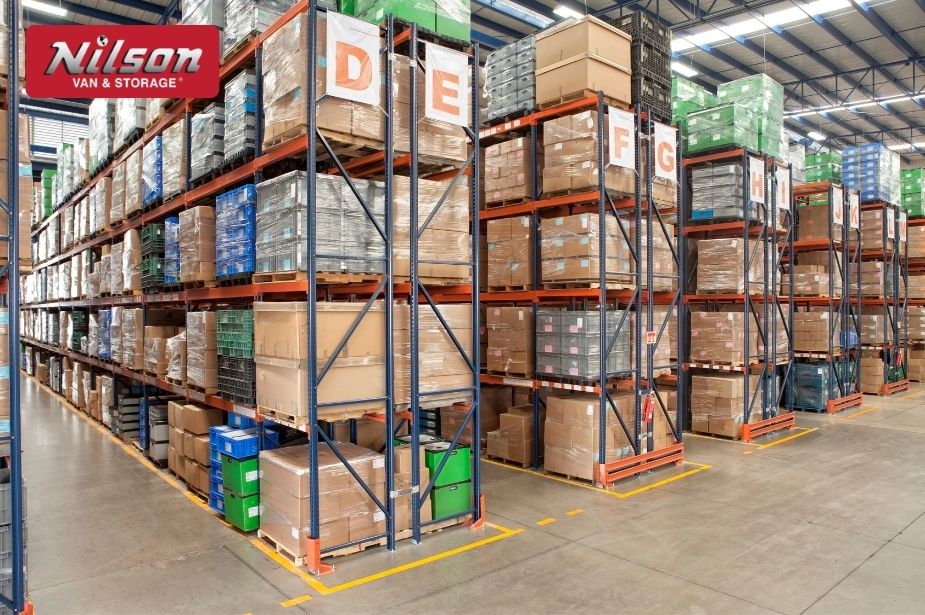
How to Choose the Right Warehouse Facility for Your Business
Data Center Relocation Checklist: Key Steps for a Successful IT Move