

Senior Movers in Cayce: How to Plan a Less Stressful Move
Senior movers in Cayce can help reduce the physical and emotional strain of relocating, but the smoothest moves usually begin with decisions made weeks before moving day. For many older adults, the hardest part is not lifting a box; it is deciding what should come along, what can be given to family, and what no longer fits the next home.
A senior relocation may involve downsizing, coordinating relatives, packing fragile possessions, arranging storage, and preparing for new access conditions in Cayce, South Carolina. This guide explains how to sort belongings, choose packing support, prepare furniture and sentimental items, evaluate movers for seniors, and create a moving-day plan that gives everyone clearer expectations.
Planning Senior Movers in Cayce Around the Next Home
The right moving plan starts with the destination rather than the current house. Before choosing a moving company or beginning to pack, understand how much furniture the new home can hold, which rooms are available, and what daily routines need to remain easy after the move.
Begin With a Room-by-Room Destination Plan
Obtain measurements for the new home whenever possible. A favorite bedroom set may fit comfortably in the current house but create a difficult layout in a smaller apartment, assisted-living residence, or one-story home. Measure doorways, hallways, elevators, stairways, and the intended spaces for larger furniture.
Create a simple destination list with four categories: definitely moving, possible if space allows, going to family or charity, and needing a decision. This gives the family a working plan without forcing every decision on the first day. It also helps a moving company understand the likely shipment size.
Pay special attention to daily-use items. The chair used for reading, the table where medications are organized, the television positioned for comfortable viewing, and the cookware used most often may matter more than a room full of occasional furniture. A downsizing decision should support the person’s routine, not just reduce volume.
Include the Senior in Meaningful Decisions
Family members often want to help by making quick decisions. That can unintentionally make the move feel like something being done to the senior rather than a transition being planned with them. Use shorter sorting sessions, work one room at a time, and allow the senior to identify items with emotional importance.
A useful question is, “Where will this belong in the next home?” If there is a clear answer, the item may belong in the move. If the answer is uncertain, place it in a temporary decision area rather than discarding it immediately. This approach keeps progress moving while respecting ownership and memory.
For a large home, consider beginning with low-emotion areas such as duplicate kitchenware, linens, tools, or unused decorative items. Save photographs, letters, heirlooms, and personal collections for a slower conversation when the senior has more energy.
Account for Cayce Access and Scheduling
Cayce moves may involve established neighborhoods, apartment communities, retirement residences, narrow driveways, stairs, elevators, or building loading rules. Ask the destination about move-in hours, elevator reservations, parking instructions, loading zones, certificate or vendor requirements, and whether a building representative must be present.
In warm or humid South Carolina weather, avoid leaving important decisions or last-minute packing until the day of the move. Arrange for commonly used medications, documents, snacks, water, a change of clothes, and personal devices to travel separately with the senior rather than being loaded into the moving shipment.
The more access information available before scheduling, the easier it is to discuss crew size, truck access, packing needs, and the order in which rooms should be handled. Nilson Van and Storage serves Cayce and the surrounding Columbia area, so a local conversation can help identify the details that need to be confirmed for the specific origin and destination.
Ask for a Written Scope Before Booking
A useful estimate should reflect what is actually being moved and which services are included. Show the moving company the furniture, boxes, appliances, fragile items, storage items, and any pieces that may require special handling. If the inventory changes significantly, tell the company before moving day.
For a local or intrastate move in South Carolina, Nilson Van and Storage states that moves are non-binding. That means families should discuss how labor, packing, access, inventory, and changes in the shipment may affect the final cost rather than treating an early estimate as a guaranteed total. Ask which assumptions were used and what could cause the amount to change.
Nilson Van and Storage also states that it does not charge cancellation fees. Confirm the current terms when arranging the move, especially if a health event, closing delay, or change in housing requires the schedule to be adjusted.
How to Decide What to Keep, Donate, Sell, or Store
Downsizing is easier when each item receives a clear destination. The goal is not to remove the maximum number of belongings. The goal is to move the items that support the senior’s life, preserve the possessions that genuinely matter, and avoid paying to transport or store things that no longer have a practical or personal role.
Keep Items That Support Daily Life
Start with function. Keep the clothing, furniture, kitchen items, medical equipment, technology, paperwork, and personal supplies used regularly. Consider comfort and accessibility as well as appearance. A sturdy chair with the right height may be more valuable than a newer piece that is difficult to get in and out of.
Then identify irreplaceable personal belongings. These may include family photographs, military records, handmade items, religious materials, letters, jewelry, artwork, or a small collection built over many years. Mark these items clearly and decide whether they will travel with the senior, be packed for the moving truck, or be handled by a family member.
High-value documents, cash, jewelry, medications, and small irreplaceable items generally deserve a separate personal plan. Ask the mover what items should not be placed in the shipment, and keep critical documents and medications with the senior or designated family member.
Donate or Give Away Useful Items Early
Donation decisions become more difficult when made during the final days before a move. Start early enough to arrange pickups, distribute items among family members, and dispose of items that cannot be donated. Furniture may require more coordination than clothing or household goods.
Create a labeled area for donations so they do not become mixed with the moving inventory. For family items, record who is receiving each piece. A simple photograph and note can prevent confusion when several relatives have discussed the same furniture or keepsakes.
Do not assume that every charity accepts mattresses, large appliances, old electronics, or damaged furniture. Confirm acceptance and pickup requirements before setting items aside. Local rules and organization policies can change, so verify the current details directly.
Sell Only When the Timing Makes Sense
Selling can recover value, but it can also consume time and attention during an already demanding transition. Decide whether the expected return justifies photographing, listing, negotiating, arranging pickup, and waiting for payment. If the move date is approaching, a lower-effort option may be more practical.
For valuable antiques, artwork, jewelry, or collections, consider an independent appraisal or specialist opinion before making a quick sale. Keep related paperwork and provenance together. A moving company can transport belongings, but it does not replace a qualified appraiser or estate professional.
Use Storage for Uncertainty, Not Avoidance
Storage can be helpful when a home sale has not closed, relatives need time to collect belongings, or the family is moving in stages. It can also protect a carefully selected group of furniture and keepsakes while the new home is being furnished.
Storage becomes less useful when it simply postpones every decision. Before placing anything in storage, write down who owns it, why it is being stored, when it should be reviewed, and how it will eventually be collected. Group related items together and label every container on more than one side.
Ask about access procedures, billing, pickup and delivery arrangements, inventory documentation, and valuation coverage. Nilson Van and Storage offers storage as part of its moving and relocation support, but families should confirm the current storage arrangements and terms for their particular shipment.
Use a Four-Question Sorting Test
For each uncertain item, ask: Is it used regularly? Is it difficult or expensive to replace? Does it have genuine sentimental value? Does it fit the next home? An item does not need to satisfy every question, but the answers reveal whether it belongs in the move, with family, in a donation group, for sale, or in storage.
Avoid making a disposal decision while tired or rushed. Mark the box “decide later,” set a specific review date, and keep the group small. A defined pause is better than allowing undecided belongings to fill an entire storage unit.
A well-organized inventory also improves the moving estimate. The crew can plan around the actual shipment instead of discovering large quantities of unlisted furniture and boxes at the origin.
Packing Fragile, Sentimental, and Everyday Belongings
Packing for a senior relocation is not simply a matter of putting everything in boxes. The packing method should reflect how items will be used, how fragile they are, how much emotional value they carry, and how quickly the senior will need them after arrival.
Separate Personal Essentials From The Shipment
Prepare an essentials bag or small personal vehicle load for the senior. It should include medications, identification, financial and medical documents, phone and charger, glasses, hearing devices, toiletries, a few changes of clothing, snacks, water, and any comfort items needed during the transition.
Keep the first-night supplies together instead of scattering them across several cartons. The senior should not have to wait for an entire truck to be unloaded to find basic clothing, a preferred pillow, or a familiar mug. Label the essentials clearly and tell every family member where they are.
Pack Fragile Items With Their Destination in Mind
Fragile pieces should be identified before packing begins. Glassware, framed photographs, ceramics, lamps, mirrors, clocks, collectibles, and artwork each need an appropriate packing approach. Avoid placing heavy items above delicate ones, and do not overfill cartons simply to reduce the box count.
For sentimental objects, create an inventory with brief descriptions and photographs. This is useful when several similar boxes are being packed and provides a record of what belongs together. Small heirlooms can be grouped by family member, room, or display area rather than being packed randomly.
If the family is doing some packing and hiring professionals for the rest, agree on the division of work early. Self-packing may offer more personal control, while professional packing can save time and provide specialized materials. The important point is to know which cartons the moving company is expected to handle and which remain the family’s responsibility.
Prepare Furniture for the New Layout
Do not wait until the truck arrives to decide where major furniture will go. Use a rough floor plan or labeled room list. Mark the destination room on each box and identify the pieces that should be positioned before smaller cartons are brought inside.
Remove items from drawers when practical and secure doors or loose components according to the furniture type. Ask the moving company how it wants beds, shelving, mirrors, electronics, and other large pieces prepared. Some furniture may need disassembly, while other pieces may be better moved intact depending on construction and access.
Photograph complicated electronics before disconnecting them. Place remotes, cords, hardware, and assembly instructions in labeled bags. Tape the bag to the related item or place it in a clearly marked hardware carton rather than leaving it loose in a drawer.
Protect the Meaning, Not Just the Object
A valuable family photograph can be damaged by poor labeling even when the frame arrives intact. Write the room and owner’s name on the carton, but avoid putting sensitive personal details on the outside. For a collection or family archive, maintain a separate inventory that explains how the items should be arranged.
Consider whether a sentimental item should travel with the senior instead of in the moving shipment. This may be appropriate for a small album, memorial object, jewelry, or daily-use keepsake. Larger fragile items can be discussed with the mover in advance so the packing and handling expectations are clear.
Confirm Valuation Coverage
Ask what valuation coverage is available, what it applies to, and how a claim process works before booking. Nilson Van and Storage describes this as valuation coverage, not insurance. Families should review the actual terms and understand that valuation coverage is different from a homeowner’s, renter’s, or separate insurance policy.
Do not assume that sentimental value and declared value are treated the same way. A family photograph may be irreplaceable emotionally but difficult to value financially. Discuss questions about fragile items, self-packed cartons, antiques, electronics, and storage before the move begins.
Build Time for a Comfortable Packing Pace
Senior moving services in Cayce can be structured around the amount of help required. Some families need only transportation, while others need packing, furniture preparation, sorting support, storage coordination, or a combination of services. Be specific about energy limitations, mobility concerns, appointment schedules, and the rooms that must remain usable until the final day.
Avoid turning every day into a packing day. Short, predictable sessions often produce better decisions than a weekend of exhausting work. A family member can maintain the inventory while the senior focuses on personal choices, stories, and final approval.
When Nilson Van and Storage is involved, discuss the desired level of packing assistance and the condition of the shipment early. A clear scope helps the coordinators plan labor and helps the family understand what will happen before, during, and after loading.
What to Ask Cayce Movers Before Booking
Choosing movers for seniors requires more than comparing a starting estimate. Families need to understand who will coordinate the move, what the crew is expected to do, how changes are handled, and what information the company needs before arrival. These questions are especially important when relatives are coordinating from another city.
Questions About The Estimate and Scope
Ask whether the estimate is binding or non-binding for the specific move. For local and intrastate moves in South Carolina, Nilson Van and Storage states that estimates are non-binding. Ask how the company calculates labor, travel, packing, materials, storage, stairs, long carries, additional stops, and changes to the inventory.
Ask what is included and excluded. A quote may need to distinguish between packing selected rooms, packing the entire home, moving prepared furniture, disassembling and reassembling items, delivering to storage, and delivering from storage to the final residence. Request clarification in writing so family members share the same understanding.
Questions About The Crew and Moving Day
Ask who the primary point of contact will be, when the arrival window will be provided, and how updates are communicated. If the senior will be resting or attending an appointment, identify the family member authorized to make decisions and receive calls.
Ask how the team will handle a building with stairs, an elevator reservation, a narrow driveway, a long walk from the truck, or limited parking. The company may need access details before confirming the plan. Do not wait until the morning of the move to mention a difficult entryway or a second destination.
Ask whether the crew will follow a room-labeling plan and how fragile or high-priority items should be identified. A good process should make it easier to place belongings correctly at the destination instead of leaving the family to sort every box after unloading.
Questions About Policies and Belongings
Ask about cancellation and rescheduling terms. Nilson Van and Storage states that it does not charge cancellation fees, but families should confirm the current terms when booking because the circumstances and service details can affect planning.
Ask which belongings the company will not transport or recommends carrying separately. Common examples may include medications, important documents, cash, jewelry, perishable items, or other personal materials, but the company should provide current guidance for the particular move.
Ask about valuation coverage and how it relates to damaged or missing items. Use the correct term: valuation coverage is not the same as insurance. Review the paperwork before the move, especially when the shipment includes antiques, artwork, delicate electronics, or self-packed boxes.
Questions About Storage and Delayed Decisions
If storage may be needed, ask where the items will be stored, how access is arranged, whether delivery or pickup is included, how charges are billed, and how the inventory will be documented. Confirm whether storage is short term or ongoing and who can authorize release of the belongings.
Ask how the company handles items that are added or removed after the estimate. A senior move often changes as family members make decisions. Early communication is easier than trying to resolve a major inventory change during loading.
Questions That Reveal Communication Quality
Notice whether the representative answers directly, explains assumptions, and asks useful questions about the homes. A company that does not ask about stairs, elevators, packing, storage, furniture, access, or the senior’s needs may not have enough information to plan the move accurately.
Keep the final documents in one shared folder. Include the inventory, estimate, service scope, building instructions, contact names, floor plan, packing responsibilities, and valuation paperwork. This is particularly helpful when adult children, caregivers, and the senior are coordinating together.
For families comparing Cayce SC movers, the best choice is usually the company that gives a clear explanation of the plan and communicates what the family must do next. The lowest initial number is not necessarily the clearest or most useful option if important work has been left out.
Preparing the Senior and Family for Moving Day
Moving day becomes less stressful when the senior knows what will happen, where to wait, and who will make decisions. The physical work may be handled by a moving crew, but family coordination determines whether the day feels orderly or confusing.
Set Up A Comfortable Waiting Area
Choose a room or location that will not be part of the active loading path. Place the senior’s essentials, seating, water, food, phone, charger, medications, and personal items there. If the senior has mobility or medical needs, coordinate the day with the appropriate family members and care providers.
Explain the sequence in plain language: the crew arrives, confirms the work, protects and prepares items, loads by priority, checks the rooms, and travels to the destination according to the agreed plan. Avoid promising an exact completion time unless the company has provided one, because access, inventory, and building conditions can affect the schedule.
Use A Final-Room Checklist
Before leaving the origin, inspect closets, cabinets, attic areas, garages, patios, medicine cabinets, and wall spaces. Check that rented equipment, keys, documents, chargers, and personal items are not accidentally loaded or left behind.
Keep the checklist with the designated family contact. The senior should not be expected to remember every location while also managing the emotional demands of the move. A second person can verify the rooms while another communicates with the moving team.
Make The Destination Ready First
If possible, have the destination cleaned and accessible before the shipment arrives. Confirm the correct entrance, elevator, parking instructions, and room labels. Put a sign on each room or use a simple floor plan so boxes can be placed without repeated questions.
Prioritize the bedroom, bathroom, kitchen essentials, and seating area. The senior does not need every carton unpacked immediately, but the home should become usable as quickly as the situation permits. Keep the first-night box separate and do not bury it behind furniture or general cartons.
Expect Emotions and Changing Decisions
A senior relocation often brings relief, grief, nostalgia, and uncertainty at the same time. A familiar house may represent decades of routines and relationships. Allow pauses during sorting and do not interpret hesitation as a lack of cooperation.
Family members should agree beforehand on who handles disagreements about uncertain belongings. The senior’s wishes should guide personal possessions whenever possible, while practical questions about space, access, and timing can be solved with a written plan. If an item cannot move immediately, storage or a temporary family arrangement may provide time for a better decision.
Keep Communication Centralized
Choose one family contact for the moving company and one backup. Multiple relatives giving different instructions can slow the work and create uncertainty about where items belong. Share updates with the wider family after decisions are confirmed rather than asking the crew to manage several conversations.
At Nilson Van and Storage, families can discuss the move’s scope, packing needs, storage timing, and access details in advance. That preparation is particularly valuable when the senior, adult children, and destination representatives will not all be present at the same time.
A practical moving-day plan does not need to be complicated. It needs a prepared essentials bag, a clear decision-maker, labeled rooms, confirmed access, and enough flexibility to address conditions that were not visible during the initial planning.
Wrapping Up
A less stressful senior relocation in Cayce begins with thoughtful decisions, not rushed packing. Measure the next home, involve the senior in meaningful choices, sort belongings into clear destinations, protect fragile and sentimental items, and use storage only when it solves a genuine timing or space problem.
Before booking senior moving services in Cayce SC, ask about the estimate, packing responsibilities, building access, cancellation terms, valuation coverage, storage arrangements, and communication plan. For local and intrastate moves in South Carolina, remember that Nilson Van and Storage states that estimates are non-binding, and the company states that it does not charge cancellation fees. Review the current paperwork and terms for your move.
With the right preparation, professional movers for seniors can do more than transport furniture. They can help families organize the work, clarify expectations, coordinate packing and storage, and make the transition to the next home more manageable. Nilson Van and Storage can discuss your Cayce move, the belongings involved, and the level of support your family needs before you choose the next step.


FAQs - Senior Movers in Cayce
Our Recent Articles
Stay informed and inspired with the latest tips, insights, and updates from the Nilson Van and Storage blog. From expert packing advice and moving checklists to stories about our commitment to the community, our articles are here to make your relocation journey smoother and stress-free. Explore our recent posts to discover how we’re redefining the moving experience for Columbia, Myrtle Beach, Charleston, Sumter, Savannah, and beyond.
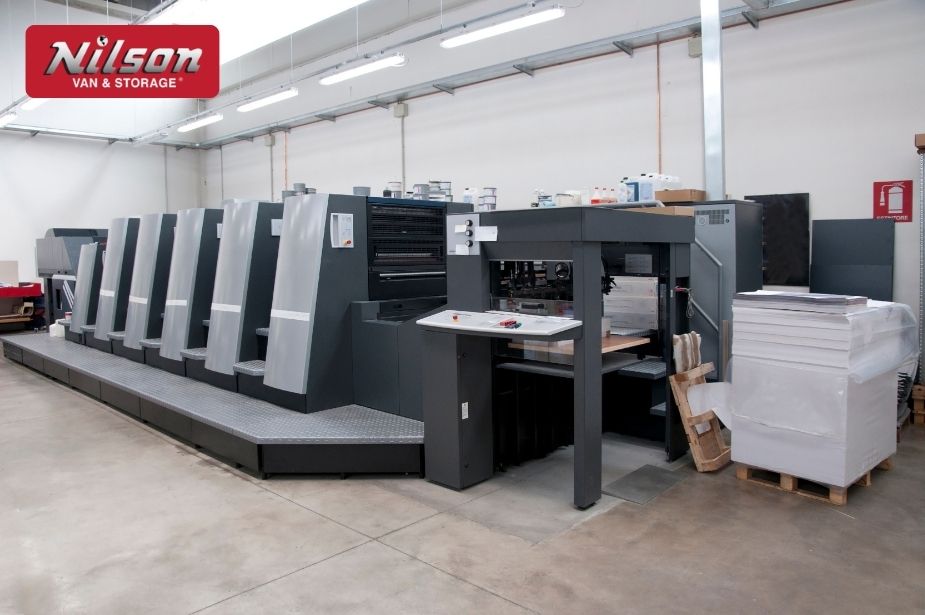
Printing Press Movers in Sumter: What to Ask Before Booking

Why Hotels Need a Reliable FF&E Logistics Partner for Renovation Projects