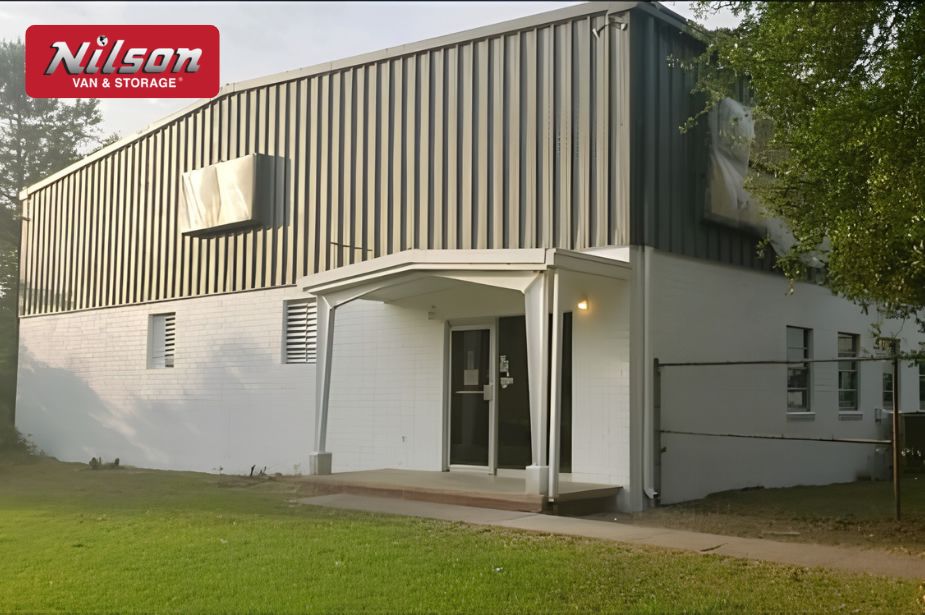
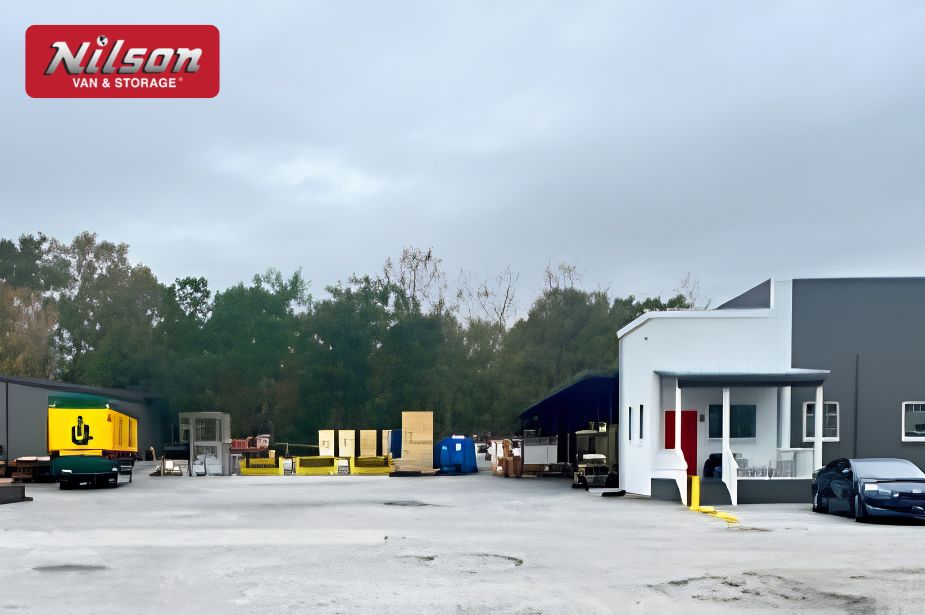
Warehouse Storage Services in Savannah, GA for Homes and Businesses
Warehouse storage services in Savannah can give homeowners and businesses much-needed room when a move, renovation, seasonal change, or inventory transition makes available space difficult to manage. The challenge is not simply finding a building with open capacity; it is choosing storage that matches your belongings, access needs, timing, handling requirements, and overall moving plan.
In this guide, we explain how to evaluate warehouse storage in Savannah, when commercial or household storage makes sense, what to ask about deliveries and access, how to prepare furniture and inventory, and how Nilson Van and Storage can help you coordinate moving and storage as one practical plan.
Understanding Warehouse Storage Services in Savannah
Warehouse storage is useful when your belongings need more space than a typical room, garage, or small self-storage unit can provide. It can support a temporary transition, a longer business inventory cycle, or a move that cannot happen in one step.
The right arrangement depends on what you are storing and how often you need to reach it. A homeowner storing furniture during a renovation has different priorities from a retailer holding boxed inventory between locations. Start by identifying the purpose of the storage rather than choosing a facility based only on size or monthly cost.
When Household Storage Solves A Real Moving Problem
Furniture storage during a move in Savannah is often needed when closing dates do not align, a home is not ready, or a family is moving into a smaller temporary residence. Storage can also help when flooring, painting, remodeling, or construction must be completed before large items are brought inside.
A warehouse arrangement may be especially practical when the household has substantial furniture, appliances, artwork, office contents, or packed rooms. Instead of moving belongings repeatedly between friends’ garages or temporary spaces, you can build a more organized transition plan with a clear pickup, storage, and delivery sequence.
The important question is how long the items will remain stored and whether you need frequent access. If you will need one box every few days, an arrangement designed for regular self-access may be more convenient. If the contents can remain stored until the next scheduled move, managed warehouse storage may better fit the situation.
Why Businesses Use Warehouse Storage
Commercial storage in Savannah, GA, can help businesses manage inventory without committing to additional leased space. Companies may need temporary room during a relocation, a renovation, a seasonal inventory increase, an office consolidation, or a change in distribution plans.
Business storage in Savannah can also help when a company is between locations. Office furniture, point-of-sale materials, trade-show equipment, records, fixtures, and boxed products may all require different handling and retrieval plans. Separating items by priority makes it easier to determine what belongs in storage and what should remain immediately available.
For example, a contractor may store cabinets and fixtures until a project reaches the installation stage, while an office may store desks and files during a phased workplace transition. In both cases, the storage plan should support the operating schedule rather than create another source of delay.
Choosing The Right Storage Arrangement For Your Needs
The best warehouse storage plan is built around access, item type, timing, and responsibility. A low monthly rate may not be the best value if the arrangement requires extra handling, multiple transfers, or unexpected delivery coordination later.
Before selecting a provider, write down what will be stored, when it will enter storage, when it may need to leave, and who will need access. This turns a general storage inquiry into a useful operational conversation.
Consider Access Before Capacity
Storage access can mean different things. Some customers need occasional retrieval of a specific item. Others want nearly all stored belongings to remain untouched until a final delivery. Ask how access requests are scheduled, whether advance notice is required, and whether retrieval is handled by the customer, the warehouse team, or a moving crew.
Businesses should also identify which inventory is urgent. If a product launch, client installation, or office opening depends on certain items, those goods should be documented and positioned in a way that supports the expected schedule. Do not place frequently needed items behind everything else without discussing the consequences.
Read also: How Local Moving Solution in Savannah Makes Moving Easy
Match Storage To The Items
Furniture, electronics, paper records, household goods, retail inventory, and fragile materials should not automatically be treated the same way. Packing method, labeling, stacking, and handling requirements can vary considerably.
When comparing climate-controlled storage in Savannah, ask specific questions rather than assuming that every warehouse provides the same environment. Confirm whether temperature or humidity management is available for your particular goods, whether it carries additional requirements, and whether the provider recommends special packing for sensitive items.
For ordinary household goods and many boxed business items, sturdy cartons, proper cushioning, and clear labels may be more important than specialized storage features. Fragile or sensitive property deserves a more detailed discussion before pickup.
Review The Financial Terms Carefully
Storage cost is affected by the amount of space used, the length of time, handling, transportation, packing, and any special requirements. A meaningful comparison should look at the complete plan rather than only a recurring storage charge.
Ask for clarity about what the estimate includes, what could create an additional charge, and how the final delivery will be arranged. For local and intrastate moves in South Carolina, Nilson Van and Storage states that estimates are non-binding; customers should review the written terms and discuss the details of their specific move. A Savannah customer should also confirm which terms apply to the requested service and destination.
The company’s valuation coverage should also be discussed as part of the moving agreement. Valuation coverage is not the same as insurance, and the applicable terms should be reviewed before the move begins.
Plan For Building And Site Restrictions
Savannah properties can have practical access limitations. Downtown buildings, gated communities, apartment complexes, commercial campuses, and historic properties may require reservations, loading instructions, certificates, elevator coordination, or designated delivery windows.
These requirements are not minor details. A storage plan can be disrupted if a truck cannot use the expected entrance, if an elevator is unavailable, or if a property manager has not approved the move. Gather the rules early and share them with the moving coordinator so the pickup or delivery plan reflects the actual site.
Preparing Household Belongings And Business Inventory
Good warehouse storage begins before the first item is loaded. Preparation reduces confusion, helps identify priority items, and makes the eventual delivery more manageable. It also gives the moving team better information when estimating labor, packing, equipment, and timing.
The goal is not to pack everything identically. The goal is to prepare each category according to how it will be handled and when it will be needed.
Build A Practical Inventory
Create a room-by-room list for household goods or a category-based list for business contents. Include major furniture, appliances, equipment, cartons, fixtures, and unusually fragile items. You do not need a complicated software system for a small move, but the inventory should be specific enough to answer basic questions later.
Useful details include the item description, quantity, current location, condition, and priority. For business inventory, add product or project identifiers where applicable. Photographs can help document condition and make it easier to identify items after a longer storage period.
Separate three groups: items going directly to the new location, items entering storage, and items being donated, sold, recycled, or discarded. Mixing these categories is one of the most common causes of unnecessary handling.
Pack For The Length Of Storage
Short-term storage does not eliminate the need for proper packing. Furniture should be prepared to limit rubbing and surface contact, while glass, artwork, electronics, and breakable goods need appropriate cushioning and clear labeling.
Use sturdy cartons for boxed contents and avoid packing heavy items into oversized boxes that are difficult to handle. Do not place important documents, medications, irreplaceable personal items, or regularly needed business materials into storage unless the plan specifically accounts for retrieval.
For upholstered or wooden furniture, ask about preparation recommendations that fit the item and the expected storage period. A moving professional can help identify pieces that need disassembly, extra padding, or special handling before pickup.
Label For The Next Person Who Needs It
Labels should be visible from more than one direction and should identify both the contents and the destination. “Kitchen” may be enough for a short household move, but “Kitchen—fragile—deliver first” is more useful when several rooms are stored together.
For commercial storage, use consistent codes that match your inventory list. Mark priority items, project numbers, or delivery groups without placing confidential customer information on the outside of cartons. The best labeling system is one that a coordinator or crew can understand without asking you to open every box.
Decide What Should Not Go Into Storage
Some belongings are better kept with you or handled through a separate arrangement. This may include perishable goods, hazardous materials, irreplaceable records, valuables, and items that require conditions the selected storage arrangement does not provide. Requirements vary by provider and item type, so ask before packing anything unusual.
If you are uncertain about a particular item, describe it accurately during the estimate. “Office equipment” could mean a few monitors or a room full of specialized machinery, and the difference can affect packing and handling plans.
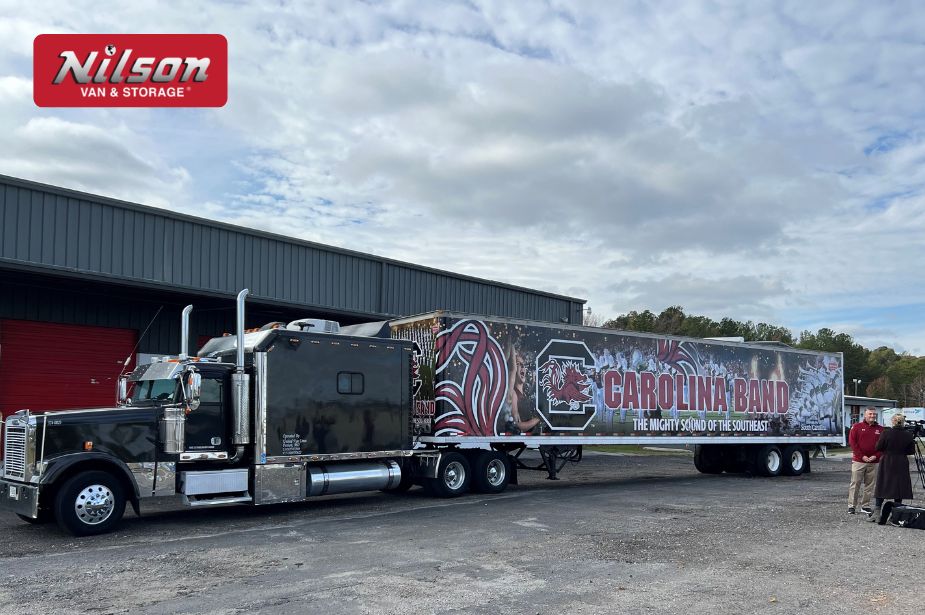
Have questions about your upcoming move? Our team is ready to help.
Coordinating Storage With A Savannah Move
Storage works best when it is treated as one stage of a larger move rather than a disconnected destination. The pickup, warehouse intake, storage period, and final delivery should fit together logically.
This is particularly important for households with uncertain closing dates and businesses that cannot afford unnecessary interruption. A detailed schedule may still need to change, but a documented plan gives everyone a better basis for making those changes.
Use A Three-Stage Timeline
Think of the project in three stages: entering storage, remaining in storage, and leaving storage. For the first stage, confirm the pickup address, packing status, access instructions, inventory, and items that will be delivered elsewhere.
For the storage period, determine who will request access, what notice may be needed, and how changes will be communicated. For the final stage, confirm the destination, building rules, delivery window, and whether the inventory has changed.
This approach is useful when a family moves out of one home before the next home is ready. It is also useful for businesses relocating department by department. Instead of asking, “Where can businesses store inventory in Savannah, GA?” the more complete question is, “How will inventory enter, remain, and leave storage without disrupting operations?”
Protect Business Continuity
A company may be able to store furniture and supplies, but that does not mean the business can pause indefinitely. Identify which functions must continue during the transition. Keep essential workstations, documents, equipment, and customer-facing materials available until the replacement location is ready.
For a phased office move, group items by department or installation phase. Communicate the schedule to employees and vendors, and give the moving coordinator an updated floor plan when possible. This reduces the chance that a department receives incomplete equipment or that stored items are delivered before the destination is prepared.
Retailers and contractors should also consider whether inventory is being stored for convenience or because the next location is not yet ready. Those situations may require different retrieval priorities and delivery timing.
Coordinate With Property Managers And Recipients
A warehouse plan can involve more than the customer and the moving company. Apartment managers, building engineers, landlords, receiving departments, contractors, and family members may all control part of the schedule.
Provide accurate contact information and confirm who can authorize access or accept delivery. If a business expects deliveries to be received while staff are not present, ask the moving provider whether a storage or delivery arrangement with that feature is available for the specific project. Do not assume that warehouse storage automatically includes receiving deliveries in Savannah.
For residential customers, confirm where the truck can park, which entrance should be used, and whether the building has time restrictions. For commercial customers, identify loading docks, freight elevators, dock appointments, and any required paperwork before the delivery date.
Keep Changes In Writing
Storage projects often change because a closing is delayed, a renovation takes longer, or a business receives new inventory. Notify the coordinator promptly when the pickup date, delivery address, item count, or access instructions change.
Written updates help prevent misunderstandings. They are especially valuable when several decision-makers are involved or when the storage period lasts longer than originally expected.
Working With Nilson Van and Storage On A Storage Project
A storage provider should help you understand the moving pieces of the project, not simply provide a place for belongings. Nilson Van and Storage supports storage-related planning alongside residential, commercial, local, long-distance, packing, and moving services, subject to the details of the requested job.
That combination can be useful when transportation and storage need to be coordinated. A household may need packing, pickup, warehouse storage, and final delivery. A company may need office contents removed in phases, stored during a relocation, and delivered according to department schedules.
What To Share During The Estimate
The more accurately you describe the project, the more useful the planning conversation will be. Be prepared to explain:
- What is being stored, including approximate quantity, dimensions, and unusually fragile or heavy items.
- Where the items are located, including stairs, elevators, narrow entrances, loading docks, or long carries.
- When items need to enter storage, how long the timing may be uncertain, and what the likely delivery sequence is.
Also mention whether packing is needed, whether any items require disassembly, and whether the destination has building or receiving rules. If the project involves a business, explain which operations must remain active while items are in storage.
Questions Worth Asking Before You Commit
Ask how the provider handles inventory, access requests, scheduled retrievals, delivery coordination, packing, and changes to the original plan. Request clarification about the estimate, payment terms, valuation coverage, and any item restrictions that apply.
If you are comparing climate-controlled storage in Savannah, ask exactly what environmental features are available and whether they suit the items you are storing. If you need storage that receives deliveries in Savannah, ask whether that capability is available for your business and what authorization, scheduling, labeling, or receiving procedures would apply.
A reputable planning conversation should leave you with clear next steps. You should know what information is still needed, which assumptions require confirmation, and what events could change the estimate or schedule.
When Professional Coordination Is Worthwhile
Professional help is particularly valuable when there are multiple addresses, uncertain dates, bulky furniture, a large inventory, commercial access restrictions, or a short window for completing the move. It can also help when family members, employees, property managers, and vendors all need to work from the same schedule.
Nilson Van and Storage can discuss the moving and storage requirements together so you can evaluate whether packing, transportation, warehouse storage, and final delivery belong in one coordinated plan. The practical benefit is a clearer sequence and fewer decisions left until the day items must move.
Wrapping Up
The right warehouse storage services in Savannah should fit the belongings, the schedule, the access requirements, and the next destination. For homeowners, storage can bridge a closing delay, renovation, downsizing move, or temporary housing period. For businesses, it can support inventory management, office relocation, phased construction, and continuity during a change in premises.
Before choosing an arrangement, identify what will be stored, how it will be packed, when it may be needed, and who must coordinate access or delivery. Ask detailed questions about handling, environmental features, receiving arrangements, building restrictions, estimates, valuation coverage, and schedule changes.
Nilson Van and Storage can help you evaluate the moving and storage steps involved in a Savannah project, whether you need residential storage, commercial storage, packing support, or transportation between locations. A clear conversation before pickup is the best way to build a storage plan that remains practical from the first load to the final delivery.


FAQs - Warehouse Storage Services in Savannah
Our Recent Articles
Stay informed and inspired with the latest tips, insights, and updates from the Nilson Van and Storage blog. From expert packing advice and moving checklists to stories about our commitment to the community, our articles are here to make your relocation journey smoother and stress-free. Explore our recent posts to discover how we’re redefining the moving experience for Columbia, Myrtle Beach, Charleston, Sumter, Savannah, and beyond.

Movers for Heavy Items in South Carolina: A Practical Relocation Guide

Legal Document Storage During a Law Firm Office Relocation Guide