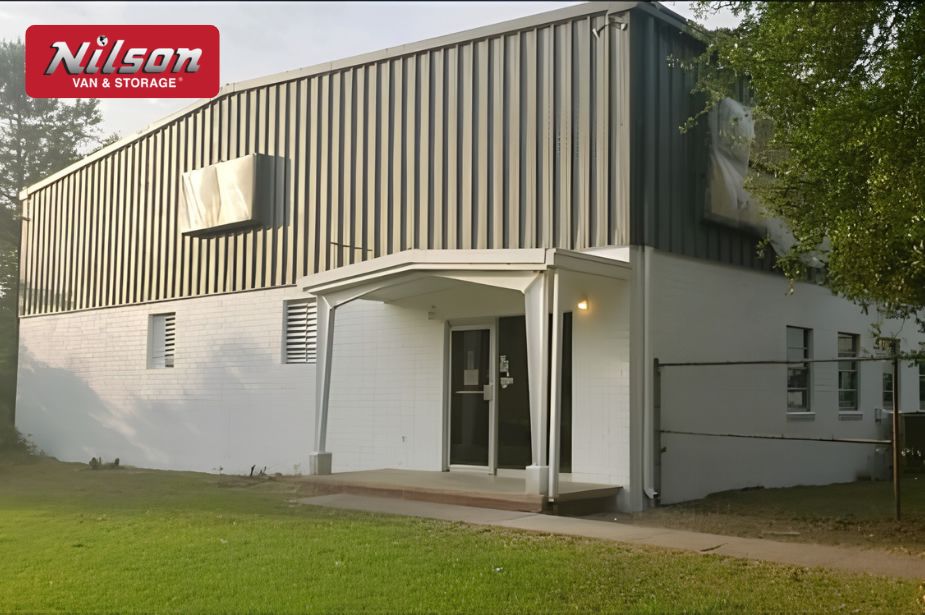

Warehouse Storage Services in Columbia, SC for Homes and Businesses
Warehouse storage services in Columbia can give you room to manage a move, protect business inventory, or bridge the gap between one location and the next without forcing everything into your home or office. The challenge is choosing storage that fits the volume, access needs, timing, and handling requirements of your situation.
In this guide, you will learn how warehouse storage works for households and companies, what to confirm before booking, how to prepare furniture or inventory, and when professional moving support from Nilson Van and Storage may make the process easier.
Understanding Warehouse Storage Services in Columbia
Warehouse storage is useful when you need more capacity than a typical closet or self-storage unit can provide, but you do not need every item immediately available every day. The right arrangement can simplify a transition while giving you time to coordinate a sale, renovation, relocation, office opening, or inventory change.
The important point is that warehouse storage is not one identical product. The practical experience can differ based on how items are received, documented, placed, accessed, retrieved, and transported. Before comparing providers, identify what you are storing and how often you will need it.
Residential Storage During a Move
Many homeowners search for where to store furniture during a move when their closing dates do not align, a home is being renovated, or a new property is not ready. Warehouse storage can hold household goods between residences and reduce the pressure to move everything twice on short notice.
This option is especially useful when you are downsizing, relocating from Columbia to another South Carolina community, or temporarily living elsewhere. Rather than placing sofas, bedroom furniture, boxes, and appliances in several temporary locations, you can organize the move around one planned storage period.
A warehouse arrangement may also help when a home must be staged for sale. Removing excess furniture can make rooms easier to present, but the items still need to remain accounted for and available when you are ready to complete the move.
Commercial Storage for Inventory and Equipment
Commercial storage in Columbia, SC can support companies that need additional space without immediately committing to a larger commercial lease. Retail stock, office furniture, displays, files, fixtures, and project materials may all require temporary or transitional storage.
Business storage in Columbia is most effective when it is connected to an operating plan. Consider whether you need occasional access, scheduled releases, inventory rotation, delivery coordination, or a complete move into and out of storage. A low monthly rate does not help if retrieval procedures interrupt customer orders or project schedules.
For example, a business opening a new office may store desks and equipment while construction is completed. A retailer may need space during a seasonal change. A contractor or service company may need room for materials between jobs. Each situation calls for a different conversation about access, documentation, and handling.
Warehouse Storage Versus Self-Storage
Self-storage can be convenient when you want frequent personal access to an individual unit. Warehouse storage may be a better fit when the volume is larger, professional movers are already handling the items, or you need a coordinated move rather than a series of trips in a personal vehicle.
Neither option is automatically best. Compare the total process, not just the advertised storage rate. Include transportation, loading, unloading, packing materials, labor, access arrangements, and the time your staff or family will spend managing the project.
The best choice depends on three questions: How much space do you need? How often must you reach the items? Who will handle the movement between your location and storage?
How to Choose the Right Storage Arrangement
Once you know why you need storage, the next step is matching the arrangement to your items and schedule. Customers often focus first on square footage, but space is only one part of the decision. Handling, access, timing, and accountability can have just as much impact on the overall experience.
A useful storage discussion should produce clear answers rather than general assurances. Ask what the provider needs to know about your goods, how the inventory will be recorded, how access is requested, and what happens when you are ready for delivery or retrieval.
Start With the Storage Period
Estimate the likely storage period, then allow for uncertainty. A renovation can run longer than planned. A real estate closing can change. A commercial build-out may not be ready when expected. If your schedule is uncertain, explain that before receiving a quote.
Short-term storage may be appropriate for a few weeks between residences. A longer arrangement may support an office transition, a military relocation, or a business operating from a temporary site. Your expected duration can also affect how carefully you should label items, consolidate cartons, and separate items needed sooner from items that can remain stored.
Read also: Condo Moving in Columbia: What You Need Before Move Day
Match Access to Your Actual Needs
Ask yourself whether you need one-time access, occasional retrieval, or routine access to individual items. Warehouse storage may be less convenient than a self-storage unit for daily visits, but it can be practical when you are storing a large volume and do not need to handle it regularly.
Businesses should be especially specific. If you are looking for storage that receives deliveries in Columbia, ask whether the provider offers that capability for your situation and what advance notice, documentation, packaging, appointment, and handling requirements apply. Do not assume that a warehouse accepts outside shipments simply because it stores commercial goods.
Similarly, ask how released items are prepared for pickup or delivery. A business may need cartons grouped by department, a household may need furniture delivered to a new address, and a project manager may need certain assets released before the rest.
Consider the Nature of the Items
Furniture, boxed household goods, office equipment, retail inventory, records, and machinery each create different planning concerns. Fragile goods may need stronger packing. Oversized furniture may require measurements and access planning. Inventory may need labels that correspond to purchase orders or internal tracking systems.
If you are specifically searching for climate-controlled storage in Columbia, ask the provider what environmental conditions are available for your items rather than assuming all warehouse storage has the same features. Electronics, artwork, wood furniture, documents, and other sensitive goods may require additional discussion about packing and storage suitability.
Review Valuation and Documentation
Before booking, ask how the shipment or stored goods will be documented and what valuation coverage options are available. Valuation coverage is not the same as insurance, and the terms should be understood before the move begins.
Create your own item list for business assets or high-value household goods. Photograph unusual, fragile, or valuable pieces before packing. Keep copies of inventories, purchase records, and special handling instructions. Clear documentation helps resolve questions later and makes the release process more organized.
Request a Quote Based on the Complete Job
A useful quote should reflect the actual work involved, not just a rough storage estimate. Discuss the origin, destination, volume, packing needs, access conditions, storage timing, and whether items will later be delivered somewhere else.
For local and intrastate moves in South Carolina, Nilson Van and Storage states that estimates are non-binding. That means the final cost can depend on the actual services and conditions involved. Share accurate information early, including stairs, elevators, loading zones, long carries, downtown access, building rules, and unusually large items.
Preparing Household Goods or Business Inventory
Good preparation reduces confusion at the warehouse and makes the eventual delivery easier. You do not need to pack every situation identically, but you should organize items according to how they will be handled and when you expect to need them.
The most common problems we see are not caused by a lack of boxes. They come from unclear labels, mixed priorities, incomplete inventories, and last-minute changes that were never communicated to the moving team.
Create a Practical Inventory
For a household, an inventory can be as simple as a room-by-room list with carton numbers and notes for furniture pieces. For a business, include asset categories, department names, item descriptions, quantities, and any internal reference numbers that matter to your team.
Avoid labels such as “miscellaneous” when you may need to locate something later. A label like “Office 2 – monitor cables – cartons 1 through 3” is more useful than “electronics.” If an item must remain together with a larger set, say so clearly.
Keep a copy of the inventory away from the stored goods. Digital records are useful, but maintain a backup and make sure the people responsible for retrieval can access it.
Separate Immediate Needs From Long-Term Storage
Create a priority group for items you will need first. For a household, that may include basic furniture, kitchen items, or documents. For a business, it could include computers, point-of-sale equipment, displays, or files needed to reopen operations.
Tell the moving team which items have different timing requirements. If everything is packed together without priority labels, retrieving a small group later can be more complicated than expected. In some cases, it may be better to keep frequently needed items outside warehouse storage or arrange a separate release plan.
Pack for Handling and Time
Use appropriate cartons and padding for the type of item. Do not overload boxes simply because there is room. Heavy cartons are harder to move and more likely to create problems during repeated handling. Protect furniture surfaces, remove loose parts when appropriate, and label hardware so reassembly is easier.
Businesses should consider whether product packaging is suitable for storage and later transport. Retail cartons may not protect display fixtures or irregular equipment. Fragile inventory may need inner packaging that prevents movement inside the carton.
If professional packing is useful, Nilson Van and Storage can discuss packing services as part of the moving plan. The right level of packing depends on the item, the number of handling steps, and how much preparation your team can complete before the move.
Plan Access Before Moving Day
Columbia properties can present different access conditions. Downtown buildings may have loading-zone restrictions, elevator reservations, or limited parking. Residential communities may have gate procedures, narrow drives, or association rules. Commercial buildings may require certificates, arrival windows, or dock coordination.
Confirm these details early and share them with the moving coordinator. A warehouse plan can be organized well and still encounter delays if the origin or destination cannot accommodate the truck at the agreed time.
For business moves, assign one decision-maker who can approve changes. For residential moves, make sure someone can identify items that should not enter storage. Small communication steps prevent avoidable sorting and delivery issues.
Protect Business Continuity
Storage should not become an isolated activity that creates a second operational problem. Build a simple release process for inventory or equipment. Decide who can authorize a release, how requests are submitted, what information must be included, and how the receiving location will be prepared.
If your company is moving in phases, divide the inventory into practical groups. For example, one group might support ongoing operations, another might be designated for the new office, and a third might remain in storage until expansion. This approach is often more workable than treating the entire warehouse load as one undifferentiated batch.
Coordinating Storage With A Move or Business Transition
Warehouse storage is often one part of a larger project. The storage provider, movers, building managers, employees, contractors, and family members may all depend on the same schedule. Coordination matters because a storage delay can affect a home closing, an office opening, a renovation crew, or customer service.
A realistic plan should identify the sequence of events, the people responsible for each decision, and the conditions that could change the schedule. It should also allow enough time to resolve access questions before the moving date.
Residential Move Coordination
A common Columbia moving situation involves a gap between leaving one home and gaining access to another. In that case, the plan may include packing, loading, warehouse storage, and a later delivery to the new residence. Confirm whether the second move will be scheduled separately and what information will be needed for the delivery address.
If you are downsizing, decide what is being stored before movers arrive. Storage is not a substitute for sorting. Keeping unwanted items in a warehouse can add handling and delivery costs later, especially when the final destination is smaller than the original home.
Military families, seniors, and households managing an estate may benefit from additional planning time. Assigning a family contact, labeling priority items, and separating documents from general household goods can make decisions easier when schedules change.
Office and Commercial Transitions
Commercial projects require more than moving desks from one address to another. Consider employee communication, customer access, information technology, furniture installation, files, signage, and the timing of operational downtime.
A phased plan can help a company continue operating while the new location is prepared. One department may move first while another remains active. Equipment that is not needed immediately can go into storage, while essential assets travel directly to the new site.
Before scheduling, confirm building requirements at both ends. Ask about loading docks, freight elevators, reserved parking, access hours, floor protection, and any documents the property manager requires. These details can affect labor and timing even when the amount being moved is unchanged.
Deliveries, Releases, and Final Delivery
If your plan involves supplier deliveries, ask specifically how those deliveries would be received, documented, and connected to your account. Confirm whether appointments are required and whether the provider handles only certain types of goods or packages.
For releases, identify the items, desired timing, receiving address, and contact person. A clear request is easier to act on than a general instruction to “send everything for the new office.”
Nilson Van and Storage can help customers discuss moving, packing, and storage as connected services when that matches the project. The practical benefit is having one coordinated conversation about what is being moved, where it will go, what needs to be packed, and when the next delivery is expected. The specific services and schedule should be confirmed for your shipment.
Build Contingency Into the Schedule
Do not plan the storage move around the narrowest possible window. A closing may shift, a building may change access hours, or a renovation may take longer. Explain the uncertainty when requesting a quote and ask how schedule changes are handled.
Nilson Van and Storage states that it does not charge cancellation fees. Even so, customers should communicate changes as early as possible because moving resources, building reservations, and delivery appointments still require coordination. A policy about cancellation fees does not remove the need for practical scheduling communication.
Have questions about your upcoming move? Our team is ready to help.
Making A Confident Warehouse Storage Decision
The strongest storage decision is based on fit, not on a single feature or the lowest initial number. You want an arrangement that matches the goods, the access pattern, the length of storage, and the next destination. You also want clear expectations about what you are responsible for and what the moving company will coordinate.
Before booking warehouse storage services in Columbia, review the plan from the perspective of the day you need your items back. If you cannot explain how the items will be identified, released, transported, and delivered, ask more questions before committing.
Questions to Ask Before Booking
Ask the provider to explain the storage process in plain language. Useful questions include:
- How will my items be inventoried and labeled?
- How do I request access, a release, or final delivery?
- Can outside deliveries be received for my account, and what conditions apply?
- What packing or preparation is recommended for my specific items?
- What building, loading, elevator, or appointment details should I provide?
- What valuation coverage options are available, and what do they mean?
- Is the estimate binding or non-binding for my move type?
The answers should be specific to your project. Be cautious with broad promises that do not explain the actual process, especially when you are storing business inventory or items that cannot easily be replaced.
Compare Total Effort, Not Just Storage Space
A lower storage price may not be the lower-cost choice after you add transportation, labor, packing, repeated trips, and staff time. Conversely, a full-service warehouse plan may not be necessary if you need daily personal access to a few boxes.
Compare the complete assignment: pickup, packing, transportation, storage, retrieval, and final delivery. Ask which parts you will handle and which parts the moving company will handle. This comparison gives you a more useful basis for choosing between self-storage, warehouse storage, and a combined moving and storage plan.
Know When To Request Professional Help
Professional support is particularly useful when the load is large, fragile, spread across several locations, tied to a deadline, or connected to a business opening. It can also help when family members or employees do not have the time or equipment to complete the work themselves.
At Nilson Van and Storage, customers can discuss residential, commercial, packing, storage, local, intrastate, long-distance, military, and senior moving needs where applicable to the project. Confirm the services, timing, and storage details for your specific shipment before scheduling.
Prepare for the Quote Conversation
Have the origin and destination addresses, estimated volume, item types, preferred dates, access information, packing needs, and storage duration available. Businesses should also explain whether inventory will be released in stages or delivered as one shipment.
The more complete the information, the more useful the planning conversation will be. If you are not sure about volume, photographs, room lists, floor plans, or an inventory export may help the coordinator understand the assignment.
Wrapping Up
Warehouse storage services in Columbia can solve a temporary space problem, support a residential transition, or give a business more flexibility during growth and relocation. The right arrangement depends on more than available capacity: it should also account for access, inventory control, packing, building requirements, schedule changes, and final delivery.
Start by identifying what you are storing, when you will need it, and who will handle each stage. Then compare the complete moving and storage process rather than a storage rate alone. Nilson Van and Storage can help you discuss the moving, packing, and storage needs connected to your project, with clear attention to the actual items, locations, and timing involved.


FAQs - Warehouse Storage Services in Columbia
Our Recent Articles
Stay informed and inspired with the latest tips, insights, and updates from the Nilson Van and Storage blog. From expert packing advice and moving checklists to stories about our commitment to the community, our articles are here to make your relocation journey smoother and stress-free. Explore our recent posts to discover how we’re redefining the moving experience for Columbia, Myrtle Beach, Charleston, Sumter, Savannah, and beyond.

Movers for Heavy Items in South Carolina: A Practical Relocation Guide

Legal Document Storage During a Law Firm Office Relocation Guide