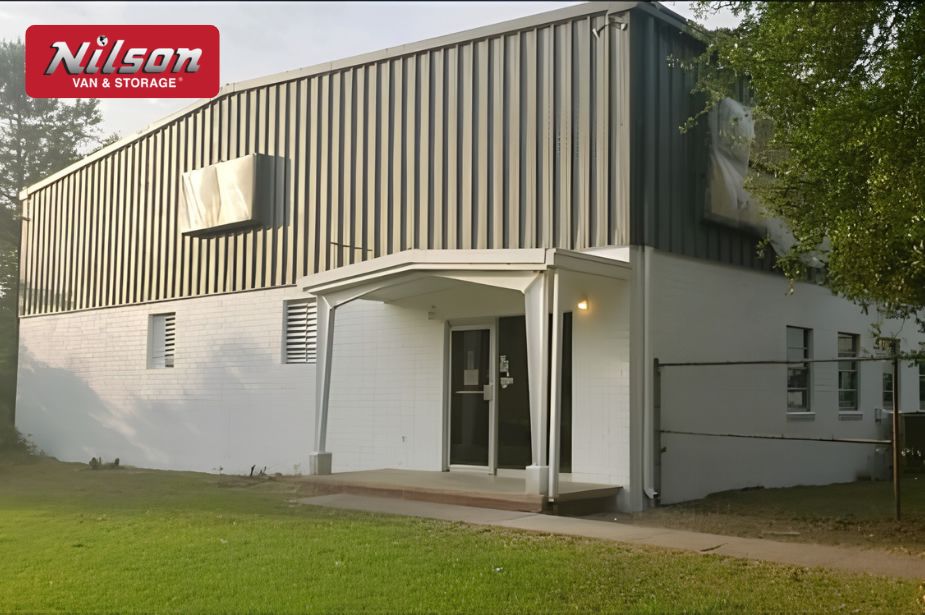
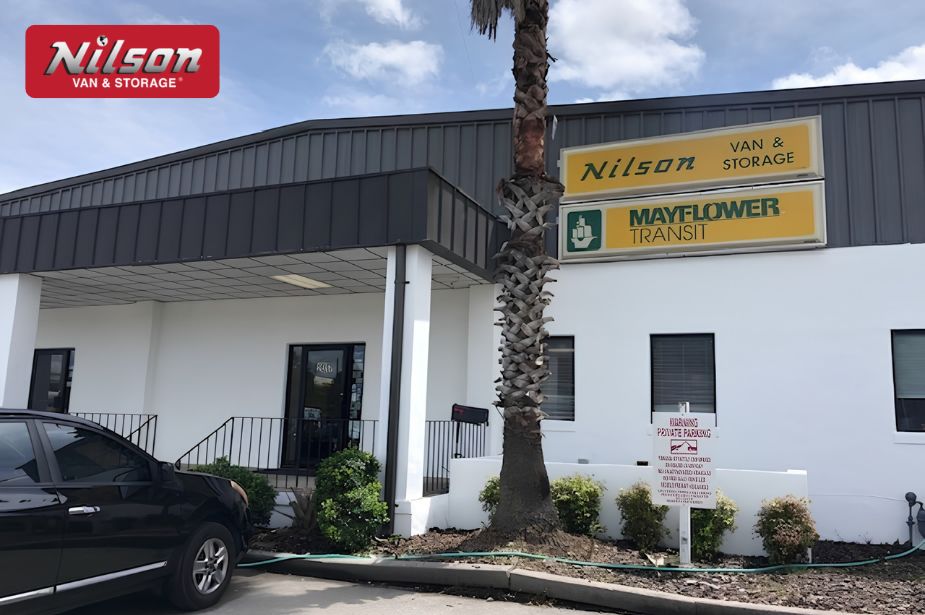
Warehouse Storage Services in Charleston, SC for Homes and Businesses
Warehouse storage services in Charleston can give you room to move, renovate, stage, or reorganize without forcing a rushed decision about your belongings. The challenge is choosing a storage arrangement that fits the volume, handling needs, access schedule, and timing of your project.
Whether you are moving a household, renovating a hotel, protecting office furnishings during a buildout, or holding materials between construction phases, the right plan depends on more than finding an empty space. This guide explains how to evaluate warehouse storage services in Charleston, what homes and businesses should prepare before delivery, and how Nilson Van and Storage can support the moving and storage portion of the process.
Understanding Warehouse Storage Services in Charleston
Warehouse storage is most useful when your belongings need to be held as part of a larger moving, renovation, commercial, or transition plan. Instead of treating storage as a last-minute place to put everything, think of it as one stage in the movement of your property from its current location to its eventual destination.
The best arrangement depends on what you are storing, how often you need access, who will handle the items, and whether the storage period is clearly defined or open-ended.
When Warehouse Storage Makes Practical Sense
Homeowners often need storage between closing dates, during a remodel, or while downsizing. A household may be ready to leave one property before the new residence is available. In other cases, flooring, painting, electrical work, or structural repairs make it impractical to keep furniture in the home.
Businesses have a wider range of storage situations. A company may need to clear an office for renovation, retain furniture while changing locations, or hold fixtures and equipment during a phased rollout. Hotels, restaurants, retailers, contractors, property managers, and event businesses may also need temporary storage when inventory or furnishings cannot remain on-site.
Warehouse storage can be especially helpful when the timing of the move and the timing of the project do not match. Moving everything directly to the final destination may sound efficient, but it can create congestion if the receiving location is not ready. A planned storage stage gives the project team more control over sequencing.
Storage Is More Than Square Footage
The amount of space matters, but it is not the only consideration. A storage plan should also address the condition of the items, how they are packed, whether they will be stacked, how the inventory will be identified, and when the items need to come out.
For example, boxed household goods may be easier to consolidate than oversized conference tables or hotel case goods. Long items, upholstered furniture, appliances, artwork, display fixtures, and construction materials each require different handling decisions. The wrong packing method can create avoidable problems even when the storage location itself is suitable.
Ask these questions before committing to a plan:
- What exactly is being stored, and how much volume does it represent?
- Will anyone need access before the scheduled delivery?
- Is the storage period based on a firm date or a project milestone?
- Which items require special packing, labeling, disassembly, or handling?
At Nilson Van and Storage, storage is often coordinated with moving, packing, loading, and delivery needs. That can simplify the project because the storage decision is considered alongside the movement of the belongings rather than handled as an unrelated task.
Charleston Conditions That Affect Planning
Charleston projects may involve downtown buildings, historic properties, condominiums, apartment communities, gated developments, busy commercial districts, or locations with limited loading space. A storage plan can fail operationally if the team considers only the warehouse and overlooks the origin or destination.
Before the move, confirm building rules, elevator reservations, loading windows, parking restrictions, dock access, and any required certificates or vendor procedures. Requirements vary by property, so the building manager or project contact should provide the current instructions.
A short access review can also reveal whether large furniture must be disassembled, whether a liftgate or specialized equipment may be needed, or whether deliveries should be divided into phases. These details affect the labor plan and the order in which items should be loaded.
What Should You Store in a Charleston Warehouse?
The right warehouse storage plan begins with a clear inventory. Customers often underestimate the amount of space needed because they measure individual pieces rather than the packed volume, protective materials, aisles, and handling space associated with the complete load.
You do not need a perfect inventory before asking for guidance, but you should be prepared to describe the major categories, approximate quantities, access requirements, and expected timing.
Household Furniture and Personal Belongings
For residential customers, common warehouse items include sofas, beds, dining sets, dressers, bookshelves, tables, boxes, seasonal items, and appliances. Large furniture usually takes less room when it is properly disassembled, but disassembly is not appropriate for every piece. Fragile construction, antique materials, glued joints, glass components, and complex hardware may call for a different approach.
Photographing furniture before it is packed can help with later identification. Use labels that identify both the room and the item, such as “primary bedroom dresser” or “kitchen box 12,” rather than relying only on a general number. Keep an inventory copy with the person coordinating the project, especially if several people will request deliveries later.
If you are storing furniture during a move in Charleston, decide whether you need the entire household held together or only selected items. Storing the full load may simplify one move, while storing only bulky pieces may reduce the amount of handling at the destination. The better choice depends on your home readiness, budget, and ability to access the items you keep with you.
Renovation, Hotel, and Property Contents
Renovation projects often involve more than furniture. A hotel may need to remove case goods, beds, lobby furnishings, artwork, fixtures, or room accessories while work proceeds. The contents should be grouped by room, floor, wing, or installation phase so the return process does not become a second inventory project.
If you are researching where to store hotel furniture during renovation in Charleston, ask how the items will be identified and how the eventual redelivery will be organized. A room-by-room inventory can be more useful than a simple piece count. It also helps the renovation manager identify missing components before installation crews are scheduled.
Property managers and landlords may need to store furnishings from several units at once. In that situation, labeling by property address, unit number, and item category reduces confusion. Items from different properties should not be mixed without a clear tracking system.
Business Equipment, Records, and Inventory
Commercial storage in Charleston, SC, may involve office furniture, retail fixtures, display materials, equipment, files, samples, or excess inventory. Businesses should separate items that can be stored together from items that need different handling or access arrangements.
Do not automatically place business records, electronics, sensitive equipment, or specialty materials into a general storage plan without confirming the appropriate requirements. The storage environment, packaging, access schedule, and handling expectations may vary by item. If a product has manufacturer storage instructions, share them during planning.
Contractors should also distinguish between materials intended for short-term use on a specific job and materials being held for future projects. If you are deciding where contractors can store materials in Charleston, consider delivery timing, item dimensions, packaging, job-site access, and the cost of moving materials multiple times. A storage arrangement that looks inexpensive may become inefficient if crews must make repeated unscheduled trips or if materials are difficult to identify.
What Not to Put Into a General Plan Without Clarification
Some items require additional review before they are accepted, packed, transported, or stored. These may include hazardous materials, perishable goods, live plants, unusually valuable property, regulated materials, or items with special environmental requirements. Requirements can vary by service and storage arrangement.
When in doubt, describe the item before moving day. Clear information allows the moving and storage team to determine whether special preparation, an alternate arrangement, or additional verification is needed. It is better to resolve an unusual-item question during planning than when the truck or crew is already at the property.
Residential Storage Options for Charleston Moves and Renovations
Residential storage works best when it is connected to the household’s actual timeline. A family may need storage for a few weeks while waiting for a closing, several months during construction, or an uncertain period while deciding what to keep. Each situation calls for a different level of access and planning.
The goal is not simply to remove items from the home. It is to keep the household functional, preserve an accurate inventory, and make the next delivery manageable.
Moving Before the New Home Is Ready
A common Charleston moving challenge occurs when the departure date arrives before the new residence can receive the full shipment. This may happen because of a delayed closing, unfinished repairs, construction work, or a gap between leases. Warehouse storage creates a transition point between the two addresses.
Pack a small group of essential items separately before the main load is handled. Include clothing, medications, important documents, basic kitchen supplies, chargers, and items needed for work or school. Do not bury these items inside the storage load if you will need them before delivery.
Also decide whether the eventual delivery should happen all at once or in stages. A staged delivery can make sense when bedrooms are ready before other rooms, or when a renovation is completed in sections. A single delivery may be simpler when the entire residence is ready and the inventory is well organized.
Storing Furniture During a Home Renovation
Furniture should generally be removed before work begins when it could obstruct contractors, collect dust, or be exposed to construction activity. Even rooms outside the renovation area may need to be cleared if workers need pathways or if materials must pass through the home.
Before loading, identify furniture that will return to the same room and furniture that may be replaced, donated, or sold. It may not be worthwhile to move every item twice. A short sorting session can reduce handling and storage volume.
For upholstered furniture, wood pieces, mattresses, artwork, and delicate finishes, packing choices matter. Use suitable protective materials and avoid placing heavy items on pieces that could be distorted. Do not assume that one wrapping method works for every category.
Read also: How to Move Your Business in Charleston: What Commercial Businesses Need to Know
Downsizing, Estate Transitions, and Senior Moves
Downsizing often creates a difficult timing problem. The new residence may be smaller, family members may need time to make decisions, and the customer may not be ready to dispose of belongings immediately. Temporary warehouse storage can create breathing room, but it should have a review date.
Set aside the items needed immediately in the new home. Then divide the stored belongings into clear groups: keep, family decision, donate, sell, and dispose. Without these categories, storage can become a place where unresolved decisions accumulate.
For seniors and families managing an estate transition, one designated coordinator should maintain the inventory and authorize access or delivery changes. This reduces conflicting instructions and helps the moving team understand which items have already been assigned.
Choosing Between Short-Term and Extended Storage
Short-term storage is usually tied to a known event, such as a closing, renovation phase, or office completion date. Extended storage may be appropriate when the final timing is uncertain, but it requires more deliberate inventory management.
Review the arrangement if the project changes. A construction delay, new closing date, or change in household plans may affect the best delivery sequence. Ask how extensions, partial deliveries, and changes in the scope of the move are handled before the original plan expires.
Nilson Van and Storage can discuss storage as part of a broader residential moving plan, including packing and later delivery. The practical value comes from coordinating the stages clearly so your belongings do not move unnecessarily or arrive before the home is ready.
Have questions about your upcoming move? Our team is ready to help.
Commercial Storage Charleston Businesses Can Use During Change
Business storage has a different standard than household storage. A company must account for employees, customers, deadlines, equipment, records, project materials, and the cost of downtime. The storage plan should support business continuity rather than create another operational bottleneck.
Start with the business process that the storage supports. Is the company relocating, renovating, expanding, closing a location, staging inventory, or managing a construction project? The answer determines what must remain accessible and what can be held until the final phase.
Office Relocations and Buildouts
For an office move, separate essential operating equipment from furniture and materials that can be stored. Computers, active files, and daily-use supplies may need a dedicated transition plan. Desks, conference tables, seating, artwork, and surplus equipment may be held until the new office is ready.
Create a floor plan for the destination before items are packed whenever possible. Labeling by destination room or workstation group can reduce setup time. If the office is being built in phases, use labels such as “Phase One,” “Training Room,” or “Executive Offices” rather than relying on a generic box number.
Ask the property manager about elevator schedules, loading dock rules, access hours, and insurance or vendor documentation requirements. Commercial buildings often require advance coordination, and a missed loading window can affect several vendors at once.
Retail, Hospitality, and Property Operations
Retailers may store fixtures, shelving, displays, seasonal merchandise, or backstock. Hotels and hospitality businesses may need to hold furniture and room contents during renovation. Property managers may require storage between tenant turnover and unit preparation.
For these projects, the key question is often not “How much space do we need?” but “Which items must be found quickly, and in what sequence?” Create zones by location, department, floor, unit, or installation stage. Keep related hardware, fasteners, manuals, and small components with the item they support.
A detailed inventory does not need to be complicated. It should identify the item, quantity, original location, destination, condition notes where useful, and any special installation information. A basic spreadsheet, shared project file, or printed load list can prevent delays later.
Contractor Materials and Construction Projects
Contractors may use storage when a job site is not ready, materials arrive before installation, or a project is split into phases. Before moving materials into storage, review dimensions, packaging, weight, delivery sequence, and the person authorized to request releases.
Materials that will be used first should not be buried behind items scheduled for a later phase. If the storage load is assembled without a delivery sequence, the business may pay for extra handling or lose time searching for the correct components.
Where possible, match the warehouse inventory to the project schedule. A project manager should know which items are in storage, which are at the job site, and which are still awaiting delivery. This is particularly important when several locations or subcontractors are involved.
Keeping Business Operations Moving
Business storage can reduce disruption, but it cannot replace communication. Employees, contractors, building managers, and moving coordinators should know what is being moved, where it is going, and when access is available.
Designate one person to approve changes. Last-minute instructions from several departments can result in split loads, missing labels, or deliveries to the wrong location. A single point of contact improves accountability and makes it easier to resolve questions before the schedule is affected.
For commercial storage in Charleston, South Carolina, Nilson Van and Storage can be considered when a business needs moving and storage support as part of an office, renovation, relocation, or phased project. The scope, access requirements, packing needs, and delivery plan should be reviewed in advance so the arrangement reflects the actual operation.
How to Plan Access, Packing, Cost, and Delivery
A storage quote is easier to evaluate when the moving company understands the complete scope. Volume is important, but labor, packing, access, timing, special handling, and the number of movement stages can also affect the plan.
This is where an early conversation saves time. A professional coordinator should be able to ask practical questions about the origin, storage needs, destination, contents, and likely delivery schedule.
Build an Accurate Storage Inventory
Begin with a room-by-room or department-by-department list. Include large furniture, appliances, equipment, boxes, fixtures, and unusual items. You can estimate box counts if packing is not complete, but explain which quantities are confirmed and which are expected to change.
Photographs can help communicate oversized furniture, tight hallways, stairs, loading areas, and items that need disassembly. Measurements are useful for unusually large pieces or materials that cannot be stacked. If the inventory changes after the quote, provide an updated list rather than assuming the original plan still applies.
Confirm Packing and Handling Needs
Packing protects the organization of the load as well as the individual belongings. Use sturdy cartons for items that will be stacked, appropriate padding for fragile pieces, and labels that remain readable after handling. Do not place heavy objects in boxes that are not designed for their weight.
Ask whether packing will be completed by your team or by professional movers. Self-packing may give you control over personal items, while professional packing can help when the project includes many rooms, fragile furnishings, or a short preparation window. A blended approach is also possible in some situations, subject to the agreed scope.
Valuation coverage is not the same as insurance, so review the applicable valuation terms before the move. If you have unusually valuable or specialized items, discuss them during planning and consult your own insurance professional about any separate coverage questions.
Review Access and Delivery Rules
Storage access should be planned before the items are loaded. Ask how requests are submitted, how much notice may be needed, whether partial releases are available, and whether delivery dates depend on crew and equipment availability. These details can vary by arrangement and should be confirmed directly.
At the destination, verify whether the building requires a certificate of insurance, loading dock reservation, elevator booking, protective floor covering, or a specific delivery window. Requirements differ among properties in Charleston, so never assume that instructions from one building apply to another.
If your move is local or intrastate within South Carolina, Nilson Van and Storage states that those moves are non-binding. Discuss the estimate and the expected scope carefully, especially if the inventory, access conditions, or services change. The company also states that it does not charge cancellation fees, but you should still communicate changes as early as possible so the plan can be adjusted properly.
Discuss Climate and Item-Specific Requirements
Many customers search for climate-controlled storage in Charleston because they are concerned about heat, humidity, wood, upholstery, electronics, artwork, documents, or other sensitive property. Storage conditions and availability can vary by facility, service, and item type, so ask specific questions rather than assuming that every warehouse arrangement provides the same environment.
Describe any item with manufacturer storage instructions or unusual environmental requirements before the move. The right answer may depend on the item’s materials, packaging, expected duration, and the available storage arrangement. This conversation is especially important for business equipment, fine furnishings, records, and specialty inventory.
Compare the Full Cost of the Plan
The least expensive monthly storage option is not always the least expensive project. Consider the total movement required: loading, packing, warehouse handling, storage duration, eventual delivery, unpacking, and any additional access or preparation needs.
A direct move may make more sense when the destination is ready and the timing is firm. Storage may be the better choice when it prevents rushed delivery, protects a renovation schedule, or allows a business to keep operating through a transition. Compare both options using the complete project timeline rather than looking only at a monthly storage figure.
Wrapping Up
The best warehouse storage services in Charleston plan for the entire journey, not just the time your belongings spend inside a warehouse. Start with a realistic inventory, identify items that need special handling, confirm building access, separate essential belongings, and decide how the eventual delivery will be organized.
For households, storage can bridge a closing, renovation, downsizing decision, or move between homes. For businesses, it can support an office relocation, hotel renovation, contractor project, property turnover, or phased installation. In every case, the details of labeling, access, timing, packing, and communication determine how manageable the project feels.
Nilson Van and Storage can help you evaluate storage alongside moving, packing, and delivery needs in Charleston. When you are ready, provide the origin, destination, approximate inventory, storage timing, access requirements, and any unusual items so the moving team can discuss a plan that fits your situation.


FAQs - Warehouse Storage Services in Charleston
Our Recent Articles
Stay informed and inspired with the latest tips, insights, and updates from the Nilson Van and Storage blog. From expert packing advice and moving checklists to stories about our commitment to the community, our articles are here to make your relocation journey smoother and stress-free. Explore our recent posts to discover how we’re redefining the moving experience for Columbia, Myrtle Beach, Charleston, Sumter, Savannah, and beyond.

Movers for Heavy Items in South Carolina: A Practical Relocation Guide

Legal Document Storage During a Law Firm Office Relocation Guide