
International Moving to Gdansk: What Should You Ship From the USA?
International moving to Gdansk becomes much easier when you decide what deserves space in the shipment before you begin packing. The right question is not simply, “Can this item come with me?” It is, “Will bringing this item to Poland be worth the space, cost, customs paperwork, and effort involved?”
Moving to Gdansk from the USA requires more planning than a domestic move because shipment volume, item condition, electrical compatibility, household needs, and import documentation all affect the overall experience. This guide explains what is usually worth taking, what may be better to sell, donate, store, or replace, and how the amount and type of your belongings can shape an international moving plan.
What to Ship When Moving to Gdansk From the USA
The best shipment usually includes belongings that are difficult or expensive to replace, personally important, compatible with your new home, or practical enough to justify their space. A professional inventory review is useful because many households underestimate how quickly furniture, boxes, appliances, and specialty items add up.
Start With Value, Use, and Replacement Difficulty
Begin by separating your belongings into four categories: essential, valuable, difficult to replace, and convenient but replaceable. Essential items include clothing suited to the season, important documents, medications handled according to applicable requirements, and the household basics you will need shortly after arrival. Valuable items may have financial or sentimental importance, while difficult-to-replace items can include specialty tools, professional equipment, family pieces, or collections.
A basic item that costs little to replace in Poland may not justify taking up valuable shipment space. On the other hand, a well-made piece of furniture with strong sentimental value may be worth moving even if its replacement cost is not especially high. The decision depends on your priorities, not just a store receipt.
Furniture That Often Makes Sense to Bring
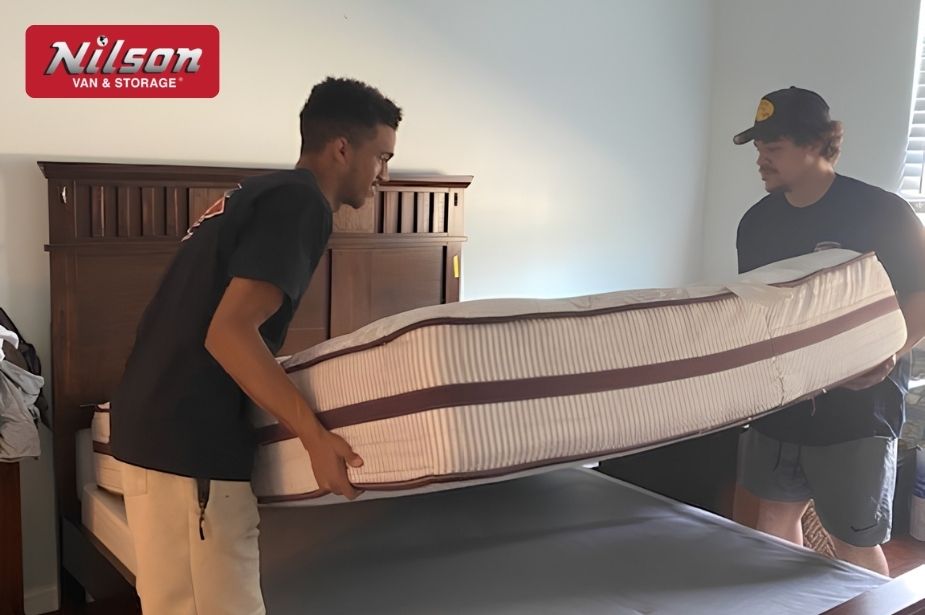
Furniture is usually worth considering when it is durable, appropriately sized, and suited to the layout of your future home. Solid wood pieces, heirlooms, quality mattresses in good condition, specialized desks, and furniture that fits an unusually large or small space may be reasonable candidates.
Before including large furniture, confirm the measurements of your Gdansk residence, the building entrance, stairways, elevator, and any narrow hallways. European apartments can have different access limitations from the homes many Americans are accustomed to. A sectional that fit through a suburban garage may be difficult to maneuver through an older building entrance or compact stairwell.
Furniture with substantial damage, unusual dimensions, or low replacement value often deserves a closer review. Shipping an inexpensive particleboard item across the Atlantic may cost more in space and handling than purchasing a replacement after arrival.
Clothing, Linens, and Personal Items
Clothing is generally practical to ship, particularly if you already own items suited to cool, wet, and changing weather. Gdansk’s coastal location can make layers, waterproof outerwear, sturdy footwear, and adaptable clothing useful throughout the year. Avoid packing an entire wardrobe without sorting it first. Clothing that no longer fits, has not been worn for years, or is difficult to coordinate may take up space you could use for items that matter more.
Linens, towels, bedding, and kitchen textiles can also be worth bringing when they are in good condition and fit the household. However, bulky low-cost bedding may be easier to replace locally. Keep a separate arrival bag or luggage plan for the items you will need before your shipment reaches Poland.
Specialty Belongings and Sentimental Items
Specialty belongings can be among the best candidates for international shipment. Examples may include musical instruments, artwork, professional tools, hobby equipment, family records, collections, and custom items. These belongings may be expensive, time-consuming, or emotionally difficult to replace.
Pack specialty items according to their construction and value rather than treating them like ordinary household goods. Photographs, written descriptions, measurements, and condition notes can help with inventory accuracy. For fragile, high-value, or unusually shaped items, discuss the packing approach with an international moving specialist before deciding how they will travel.
At Nilson Van and Storage, an inventory conversation can help you compare the practical value of an item with the space it will occupy. That is especially useful when you are shipping household goods to Gdansk and need to build a realistic shipment rather than simply filling every available box.
Tell us about your move and get a personalized quote based on your requirements.
How Shipment Size and Item Type Affect Your Move
The amount you ship influences more than the number of cartons. Volume affects the transportation plan, packing labor, documentation, handling requirements, and the level of coordination needed before pickup and delivery. The type of goods matters just as much as the total quantity.
Why Volume Matters
International moving estimates commonly depend on the approximate volume and characteristics of the shipment. A home with fewer large pieces may require a different plan from a home with many small cartons. Two households can own a similar number of items but have very different shipment sizes because one has bulky furniture, sports equipment, or packed storage areas.
For planning purposes, create a room-by-room inventory. Include furniture dimensions when possible, the number of cartons you expect, and items stored in garages, attics, basements, closets, and outdoor areas. These hidden areas often create the largest difference between an early estimate and the final shipment.
Do not wait until packing day to mention a piano, motorcycle, oversized artwork, workshop equipment, or unusually heavy belongings. Specialty items can affect labor, equipment, access planning, documentation, and the way the shipment is prepared.
Full Household Shipment or Selective Shipment?
A full household shipment may make sense when you are relocating for the long term, own quality furniture, have belongings that are difficult to replace, or need continuity for your household. A selective shipment may be more practical when you are renting temporarily, moving into a furnished home, testing a new job or school arrangement, or maintaining another residence in the United States.
Consider the following questions before choosing:
- How long do you expect to live in Gdansk?
- Is your new home furnished, partially furnished, or still undecided?
- Which items would be expensive or inconvenient to replace?
- Are you paying for storage in the United States at the same time?
- Will your belongings fit the new home’s rooms, doors, stairs, and storage areas?
A smaller shipment can reduce clutter and make the move easier to organize, but sending too little may leave you paying to replace items you already own. The best decision is usually the one that balances space, use, emotional value, and expected replacement cost.
Appliances and Electrical Compatibility
Large household appliances deserve special attention. Many appliances purchased in the United States are designed for American voltage and plug configurations, while Poland uses a different electrical system. A plug adapter does not automatically convert voltage, and a voltage converter may not be suitable for every appliance.
Before shipping a refrigerator, washer, dryer, microwave, television, kitchen appliance, or power tool, check its voltage, frequency, plug type, warranty terms, dimensions, and repair options. Also consider whether the item can be connected to the utilities and fittings in your Gdansk residence.
In many cases, smaller electronics and appliances are better replaced after arrival. Items with sentimental value, professional purpose, or unusual cost may deserve individual evaluation. Do not assume that a large appliance is worth shipping simply because it is relatively new.
Customs, Documentation, and Restricted Items
International shipments require more documentation than local household moves. Requirements can vary according to citizenship or residence status, shipment type, item category, origin, destination, and current customs rules. Household goods may need to be described clearly, and certain products may receive additional attention.
Avoid packing items that are prohibited, restricted, perishable, hazardous, or difficult to document without confirming their status first. Food, plants, medicines, alcohol, firearms, ammunition, fuel, chemicals, aerosols, and similar products may require special treatment or may not be appropriate for a household shipment. Requirements can change, so verify uncertain items with the appropriate authorities and your moving coordinator before packing.
A detailed inventory is not busywork. It helps identify questionable goods early and reduces confusion when your shipment is reviewed. Clear descriptions such as “wooden dining table” are more useful than vague entries such as “miscellaneous household items.”
International moving to Gdansk is easier to price and coordinate when the shipment is described accurately from the beginning. A moving company can plan around the goods it knows about; late additions create avoidable uncertainty.
Tell us about your move and get a personalized quote based on your requirements.
What to Sell, Donate, Store, or Replace Before Shipping
Not every item that fits in your home belongs in an international shipment. Sorting before packing gives you four useful alternatives to shipping: sell, donate, store, or replace. Each choice serves a different situation, and the best answer may vary by item.
Sell Items With Local Demand and Low Sentimental Value
Selling is often appropriate for furniture, electronics, exercise equipment, tools, and decor that still have reasonable local value but are not important enough to justify international shipment. Start early because large items can take time to photograph, list, show, and collect payment for.
Prioritize items that are bulky, inexpensive to replace, incompatible with European utilities, or unlikely to fit your new home. A nearly new U.S. appliance may still be difficult to use in Poland if its electrical specifications do not match. Selling it before departure can be more practical than paying to ship it and then discovering that it cannot be used as expected.
Do not base the decision only on what you originally paid. Ask what the item is worth today, how much space it occupies, and whether you would choose it again for your home in Gdansk.
Donate Items That Are Useful but Not Worth Managing
Donation is a good option for clothing, household goods, books, kitchen items, and basic furniture that have useful remaining life but limited resale value. Donating earlier rather than later gives you time to sort carefully and may reduce the temptation to place unreviewed items in boxes.
Keep donation records if you need them for personal tax documentation, but do not assume every donation is deductible or that the same rules apply to every organization. Confirm applicable requirements independently.
Store Items When the Decision Is Temporary
Storage can make sense when you are moving to Gdansk before securing permanent housing, supporting a family member in the United States, taking a temporary assignment, or keeping heirlooms that do not belong in the new residence. It can also help when you cannot decide about a high-value or sentimental item before departure.
Storage is not automatically the cheapest option. Add the monthly cost, access needs, transportation later, and the likelihood that you will eventually keep, sell, or discard the item. A short storage period can buy useful decision-making time; indefinite storage for low-value belongings often postpones the same decision.
If you use storage during an international relocation, keep a separate inventory and label boxes by future purpose. “Open first,” “family records,” and “seasonal clothing” are more useful than room labels when you may not know the final home layout.
Replace Items After Arrival
Replacement is often sensible for low-cost goods, standard kitchen equipment, basic shelving, inexpensive desks, and appliances that are not compatible with local electrical requirements. Replacing these items after arrival can reduce shipment volume and make it easier to furnish a home for its actual dimensions.
Replacement is less attractive for custom furniture, professional tools, quality instruments, heirlooms, and items that would be difficult to find in the same condition. Before discarding something valuable, research whether an equivalent is readily available in Gdansk and whether it can be purchased within your expected budget.
A useful rule is to compare three figures: current replacement cost in Poland, the item’s space and handling requirements, and the cost of keeping or shipping it. The cheapest choice is not always the best choice, but the comparison exposes decisions that are being driven only by habit.
Use a Four-Way Sorting Method
During the first pass, label every item as ship, sell, donate, or decide later. During the second pass, review only the “decide later” group. This prevents uncertainty about one sentimental box from delaying the entire household inventory.
For belongings that remain difficult to classify, ask whether you would pay to move the item if you did not already own it. If the answer is no, consider whether its sentimental value justifies the space. If the answer is yes, document its condition and include it in the inventory as early as possible.
Nilson Van and Storage can help customers think through shipment size, packing needs, and storage timing as part of a broader moving plan. The goal is not to ship the maximum amount; it is to create a shipment that fits your actual move to Poland.
Our moving experts are here to assist you.
How to Prepare Household Goods for Shipping to Gdansk, Poland
Once you know what is coming, preparation becomes the next priority. International shipments benefit from accurate records, consistent packing decisions, and early attention to access and delivery details. A rushed packing process is more likely to mix essential items with long-term storage, overlook restricted goods, or leave fragile belongings without enough protection.
Build an Inventory That Reflects the Actual Shipment
Record each major item and estimate the number of cartons by room or category. Include serial numbers or identifying details for electronics and specialty equipment where useful. Photograph valuable or delicate items before packing, especially if they have existing marks or complex components.
Separate important documents and personal essentials from the household shipment unless your coordinator specifically directs otherwise. Keep passports, immigration records, financial information, medications, valuables, and immediate-use clothing accessible according to your travel and relocation plans.
Your inventory should be updated if you sell, donate, discard, or add belongings. A last-minute change in volume can affect the space required and may require revised planning.
Pack for Handling and a Longer Relocation Process
Items in an international shipment may be handled at multiple stages, so packing should match the item’s fragility, shape, and material. Use sturdy cartons for books and dense goods, but avoid overloading them. Heavy cartons are difficult to handle and can place pressure on the items inside.
Wrap breakables individually, fill empty spaces, and identify pieces that require disassembly or special handling. Keep hardware in labeled bags attached to the related furniture when possible. For artwork, mirrors, glass, instruments, and electronics, discuss professional packing rather than assuming standard cartons are enough.
Do not place a valuable item in a box labeled only “miscellaneous.” Specific descriptions help you remember where belongings are and help the moving team understand what is being handled.
Plan for the Gdansk Delivery Address
The shipment’s destination is more than a street address. Consider the building entrance, elevator dimensions, stair access, parking or loading limitations, interior doors, and the distance from the unloading point to the residence. Older buildings and central neighborhoods may have access conditions that differ from newer suburban developments.
If your permanent address is not available, discuss the alternatives with your coordinator before pickup. A temporary address, storage arrangement, or later delivery can affect the plan and should be documented clearly. If someone else will receive the shipment, confirm who has authority to make delivery decisions.
Read Also: International Moving to Wrocław: What Happens to Your Belongings?
Review Valuation and Moving Documents
Before the move, review the contract, inventory process, shipment details, valuation coverage, and responsibilities for preparing items. Valuation coverage should not be described as insurance, and the terms can vary according to the move and governing requirements. Ask questions about any language you do not understand before signing.
For local and intrastate moves in South Carolina, Nilson Van and Storage states that moves are non-binding; an international relocation has its own documentation and planning requirements. Confirm the terms that apply specifically to your shipment rather than relying on assumptions from a previous domestic move.
Nilson Van and Storage also states that it does not charge cancellation fees. Even so, early communication remains important because changing dates, volume, addresses, or services can affect coordination. Confirm current policies and shipment details directly when planning your move.
Create an Arrival Plan
Decide what you need during the first days in Gdansk and keep those belongings accessible through your travel plan. If your shipment will not be available immediately, arrange clothing, toiletries, documents, basic household items, and work or school necessities separately.
Before leaving the United States, confirm how you will access the new residence, who will meet the delivery, and what should happen if the address or move-in date changes. Clear communication is particularly important when a landlord, building manager, relocation provider, or family member is involved.
The more accurately you describe the move, the more useful an international moving plan can be. That applies whether you are moving a complete household, sending selected goods, or combining shipment with storage.
The global international moving services market was valued at $21.4 billion in 2025 and is projected to reach $36.8 billion by 2034, expanding at a compound annual growth rate (CAGR) of 6.2% during the forecast period from 2026 to 2034.
Read Also: International Moving to Krakow: How to Plan Your Overseas Move
Wrapping Up
The best approach to international moving to Gdansk is selective rather than automatic. Ship belongings that are valuable, difficult to replace, personally important, or well suited to your new home. Sell or donate items with limited value, store belongings when the decision is temporary, and replace bulky or incompatible goods when doing so makes practical sense.
Your shipment’s size and contents affect packing, documentation, handling, delivery access, and the overall moving plan. A room-by-room inventory is the most reliable starting point because it reveals what you own, what you use, and what may be taking up space without serving your next chapter.
If you are moving to Gdansk from the USA, Nilson Van and Storage can help you discuss the scope of the relocation, packing requirements, storage timing, and the household goods you are considering. Begin with an honest inventory and ask for a plan based on the belongings you truly intend to take to Poland.
Make us one of your preferred sources on Google!


FAQs - International Moving to Gdansk
Our Recent Articles
Stay informed and inspired with the latest tips, insights, and updates from the Nilson Van and Storage blog. From expert packing advice and moving checklists to stories about our commitment to the community, our articles are here to make your relocation journey smoother and stress-free. Explore our recent posts to discover how we’re redefining the moving experience for Columbia, Myrtle Beach, Charleston, Sumter, Savannah, and beyond.

Moving in the Rain in Germany: Pros, Cons & Tips
Healthcare Relocation: 7 Tips for a Smooth Relocation