
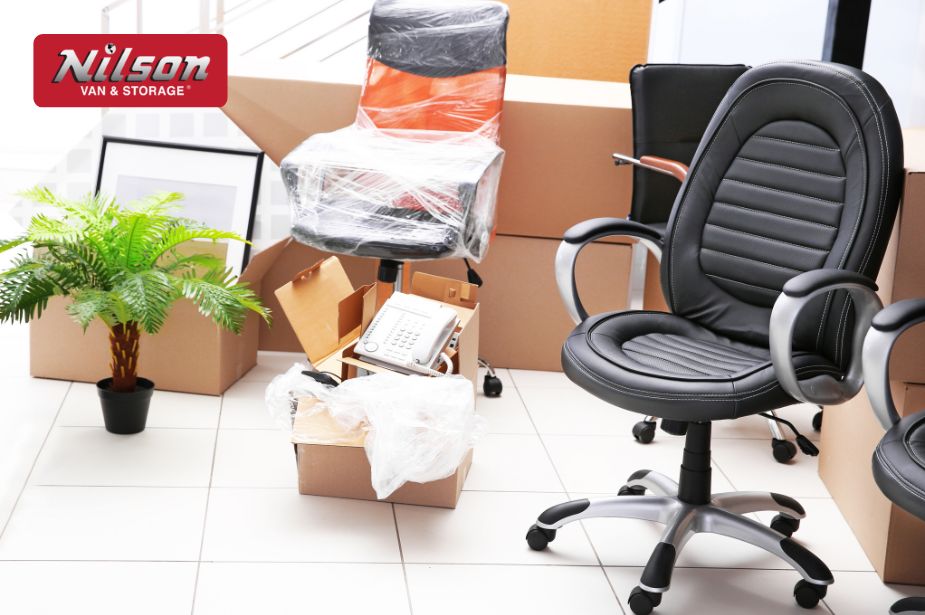
How Logistics Helps Keep Office Moves on Schedule
Office Moves influence productivity, staff morale, and operational continuity. When a business begins planning without clear logistics, even small interruptions can create costly delays. A structured approach helps companies stay organized and avoid avoidable downtime, especially when working with a skilled office moving company.
Many businesses underestimate how many moving parts must align for a smooth transition. Building access, vendor timing, IT readiness, and workspace preparation all have strict dependencies. Experienced commercial movers bring the planning discipline needed to synchronize these tasks and keep office moves moving forward without disruption.
A reliable logistics plan supports efficiency from day one. When supported by organized office relocation services, companies reduce stress, stay on schedule, and create a smoother path to reopening their new workspace quickly.
How Logistics Keep Office Moves On Schedule From Day One
The Core Logistics Pillars Behind Successful Office Moves
Successful office moves begin with well-structured planning. Logistics create the foundation needed to manage inventory, packing, transportation, and building coordination. When businesses partner with an experienced office moving company, they benefit from detailed scheduling that outlines exactly when each step should happen and which teams are responsible.
Clear communication is one of the most important logistics pillars. When departments receive instructions early, they can prepare their areas without last-minute confusion. This helps commercial movers work efficiently on move day. Organized load mapping also plays a major role. It determines how items are grouped, labeled, and routed so the destination workspace is set up in the right sequence.
These logistics practices allow corporate movers to maintain predictable timelines. Instead of reacting to issues, the moving team anticipates them and protects the schedule before disruptions occur.
Common Scheduling Risks When Office Moves Aren’t Logistically Planned
Without proper planning, office moves often slow down due to miscommunication or overlooked building regulations. If IT disconnects do not align with the arrival of commercial office movers, equipment may sit idle and prevent teams from setting up workstations. In buildings with restricted elevator hours, poorly timed moves can create long delays.
A professional commercial moving company prevents these issues by coordinating directly with property managers and vendors. This ensures building access hours, dock availability, and security requirements are fully understood in advance. When these details are planned correctly, office moves stay on schedule and avoid expensive operational interruptions.
Logistical oversight also reduces the risk of misplaced items or disorganized deliveries. With structured planning, departments receive their materials exactly when needed instead of waiting on scattered shipments.
How a Professional Office Moving Company Builds a Realistic Move Plan
A strong move plan begins with an assessment of square footage, inventory size, furniture systems, and technology needs. Professional office relocation services examine how each department works and what must be ready first at the destination. This information helps commercial movers design a schedule that reflects real requirements instead of guessing at timelines.
A dependable commercial moving company also evaluates the new building’s layout, elevator access, and parking limitations. These details affect loading times, equipment staging, and delivery order. Planning them early keeps office moves running smoothly, even during relocations with complex layouts or limited access.
With accurate planning, corporate movers can allocate the right crews and resources, reducing the risk of delays caused by understaffing or improper equipment.
Why Commercial Movers Are Essential Partners for Complex Office Moves
Experienced commercial office movers provide more than transportation—they serve as operational partners. Their role includes coordinating departments, communicating schedules, managing building requirements, and guiding businesses through every step of the transition. This support is essential during large-scale office moves that involve multiple floors, sensitive documents, or specialized equipment.
A qualified team understands how to synchronize IT vendors, building contacts, and internal teams. This ensures the sequence of packing, loading, delivery, and setup follows the exact timetable needed for a smooth transition. When businesses rely on trained commercial movers, they gain a predictable process backed by proven logistics.
Partnership is especially important when a business must stay functional during the transition. By applying structured planning, a reliable office moving company helps organizations minimize downtime and return to productivity quickly.
Assembling the Right Team to Manage Office Moves and Logistics
Managing office moves requires a coordinated team capable of balancing timelines, communication, and logistical decision-making. A business that begins with the right structure in place avoids confusion later and gives every department clear expectations. This early framework becomes especially important when working with a specialized office moving company, since aligned communication helps the project move forward without unexpected delays.
A well-chosen team also reduces pressure on employees who may not have relocation experience. When departments know who to contact and which responsibilities belong to them, the process becomes much more efficient. This structure lets commercial movers focus on the move itself rather than dealing with inconsistent preparation across departments.
Building an Internal Move Committee
Leadership and Department Roles
A strong internal committee creates the foundation for successful office moves. Leadership helps define project goals, deadlines, and budget while ensuring each department commits to the process. HR, facilities, and IT contribute operational insight that allows the office moving company to design a realistic schedule. With these teams aligned, the relocation develops structure rather than relying on last-minute problem-solving.
Having defined roles also reduces the risk of missed steps. When responsibilities are clearly assigned, employees know exactly what to pack, what to label, and what needs approval. This preparation allows commercial movers to enter each department and begin work immediately instead of waiting for staff to finish tasks that should have been completed earlier.
Supporting Employee Readiness
Employee readiness plays a major role in keeping schedules on track. Staff members need clear instructions about packing deadlines, workstation preparation, and handling personal belongings. When guidelines are consistent across departments, commercial movers can move efficiently without navigating inconsistent packing standards.
This readiness also supports smooth delivery at the new location. Corporate movers rely on accurate labels and organized boxes to complete setup quickly. When employees follow the guidance provided by the office moving company, the entire relocation gains momentum and remains predictable.
The Role of a Commercial Moving Partner
Why Outside Expertise Matters
A professional office moving company brings structure, resources, and specialized equipment that many businesses cannot provide on their own. Their experience allows them to anticipate challenges that often occur during office moves, such as access limitations, elevator restrictions, or IT dependencies. This foresight reduces delays and creates a reliable sequence of events that keeps the project on schedule.
Their trained crews and tested processes also improve consistency. Commercial movers use standardized packing, loading, and delivery methods that reduce the risk of damage or miscommunication. This brings predictability to each phase of the relocation and supports a more efficient timeline.
Alignment With Internal Teams
External movers work best when they are fully aligned with internal teams. Through regular communication, the office moving company confirms inventory needs, building requirements, and departmental concerns. This alignment helps avoid mistakes such as scheduling disconnects too early or delivering essential equipment too late.
When corporate movers and internal teams work together, they create a plan that blends operational needs with logistical execution. This coordinated approach makes office moves more controlled and decreases the likelihood of last-minute setbacks.
Deciding When to Bring in Corporate Movers
Evaluating Scope and Complexity
Determining when to hire outside support depends on complexity. Smaller transitions may require limited help, while larger office moves often demand full-service planning. If the relocation includes specialized IT equipment, large furniture systems, or critical operational timelines, bringing in corporate movers early provides essential structure.
Analyzing the scope of work helps the business decide whether internal resources are enough. When tasks exceed staff capacity or require technical expertise, commercial movers provide the added support needed to keep the project on schedule.
Balancing Cost and Efficiency
Businesses often evaluate relocation costs closely, but efficiency is equally important. Delays can impact operations, customer service, and employee productivity, making timing a major consideration. A dependable commercial moving company can reduce overall downtime and provide a more streamlined experience.
This balance ensures the relocation is cost-effective without sacrificing quality. By comparing internal capabilities with the logistical benefits offered by commercial office movers, businesses make smarter decisions about the support they need.
Aligning Office Relocation Services With Goals
Creating a Unified Strategy
Office relocation services must align with the company’s objectives. Some businesses prioritize minimal downtime, while others emphasize secure handling of sensitive materials or rapid setup at the new site. When goals are clear, commercial movers can configure staffing, sequencing, and resources to match the expected outcome.
This unified strategy keeps internal teams and the office moving company working toward the same end result. Clear expectations reduce confusion and help everyone understand how decisions impact the overall schedule.
Ensuring Smooth Communication
A reliable communication plan supports each phase of the relocation. Regular updates keep departments informed, while documented procedures help answer questions quickly. This clarity helps prevent misunderstanding and allows commercial movers to adjust to changes without slowing down productivity.
Smooth communication improves coordination, ensures tasks remain aligned, and keeps office moves organized from the planning phase through final delivery.
Timelines and Milestones That Keep Office Moves On Track
Structured timelines help businesses navigate office moves with confidence. With clear milestones, companies avoid rushing through key steps or overlooking requirements that may cause delays. A reliable schedule also gives commercial movers the information they need to plan labor, equipment, and staging well in advance.
When businesses commit to a timeline early, each phase builds momentum for the next. This step-by-step approach reduces stress and ensures that the entire project remains on track from the planning period to move day.
Long-Range Planning: 3–6 Months Before the Move
Creating the Foundation
During the early planning phase, companies define goals, select the office moving company, and begin reviewing the logistics of their current and future space. This stage shapes the initial structure of office moves by identifying critical dependencies such as construction timelines, furniture installation, and building access rules.
This early clarification gives commercial movers a broad picture of the project. With this information, they start forming the framework for a detailed move plan that considers schedule limitations, building regulations, and operational priorities.
Coordinating Early Logistics
Businesses also begin coordinating timelines with vendors, contractors, and IT specialists. These early discussions prevent scheduling conflicts and give commercial moving company teams the information they need to organize labor effectively. This stage ensures the relocation is paced strategically instead of compressing tasks into a stressful final rush.
Coordination at this stage allows commercial movers to verify inventory details and prepare preliminary load maps. This creates the foundation for accurate sequencing later in the process.
Mid-Range Milestones: 6–8 Weeks Before Move Day
Finalizing Building and Vendor Coordination
As the relocation approaches, the office moving company works with property managers to secure elevator reservations, loading dock access, and building entry times. These details influence the entire schedule, and confirming them early prevents bottlenecks that can slow down office moves.
At the same time, departments finalize inventories and labeling systems. Commercial movers use this information to determine the most efficient loading order, ensuring a smooth workflow on move day.
Communicating Department Instructions
Employees receive packing guidelines, workstation preparation requirements, and timelines. This level of communication is critical because unprepared work areas delay commercial office movers. When staff members understand expectations clearly, the relocation becomes more predictable.
Department leaders also verify progress across their teams. This helps corporate movers begin work without delays or last-minute adjustments.
The Final Countdown: 2–3 Weeks Before Move Day
Confirming Equipment, Labor, and Vendor Timing
During the final preparation period, commercial movers confirm trucks, labor needs, equipment lists, and staging plans. The office moving company also checks for updated building rules or changes in access schedules. These confirmations keep office moves aligned with existing plans and prevent miscommunication during the last phase.
The business reviews remaining details with vendors to ensure everything from disconnects to deliveries aligns with the move timeline. This coordination prevents delays caused by mismatched schedules.
Managing Sensitive and High-Priority Items
IT equipment, confidential records, and specialized materials require careful planning. Corporate movers work closely with internal teams to create a sequence that protects data and ensures rapid setup at the destination.
Proper handling of these items allows the business to resume essential operations quickly after the relocation.
Move Day Logistics: Coordinated Execution
Hour-by-Hour Structure
Move day follows a carefully organized sequence that includes staging, loading, transportation, and delivery. Commercial movers rely on the detailed plan built over weeks of preparation to maintain a steady, predictable pace.
Internal teams stay involved through walkthroughs and progress confirmation. This collaboration ensures that office moves maintain momentum and stay aligned with building requirements.
Adapting When Necessary
Even well-planned relocations may encounter minor challenges such as delays in elevator access or unexpected building traffic. A trained commercial moving company adjusts efficiently while protecting the schedule.
These quick adjustments prevent issues from turning into major delays.
Post-Move Punch List: Fast Return to Productivity
Ensuring the Space Is Usable
After unloading, commercial office movers help place items, set up work areas, and prepare essential spaces for immediate use. This step speeds up employee readiness and helps the company settle into the new environment quickly.
A structured punch list ensures no essential items are overlooked during the final walkthrough.
Stabilizing Operations
Once the initial setup is complete, the office moving company may assist with removing packing materials or handling remaining tasks. This helps streamline operations so employees can focus on their responsibilities without interruption.
This final step restores normal productivity and completes the final stage of office moves.
Logistics for Inventory, Space Planning, and Asset Management in Office Moves
Managing inventory and planning space effectively are central to keeping office moves on schedule. Without a structured approach, businesses risk misplacing items, slowing down setup, or creating inefficiencies that stretch the transition longer than necessary. When an experienced office moving company handles the process, they provide organized systems that ensure every item is accounted for before, during, and after the relocation. This clarity becomes especially important when multiple departments rely on precise placement of equipment, files, and workstations in the new space.
Another important factor is knowing how to categorize and prioritize different types of assets. Commercial movers understand how to separate high-use items from long-term storage materials and how to sequence delivery so essential areas become operational sooner. This preparation creates a smoother workflow and supports better productivity in the critical first days following office moves.
Conducting a Detailed Office Inventory
Identifying Items by Category
A detailed inventory begins with identifying furniture, technology, files, and specialty materials in each department. When the office moving company reviews these items early, they can determine the correct equipment, crew size, and packing materials needed. This step becomes even more essential for businesses moving large furniture systems or fragile devices, because commercial movers require accurate details to plan their approach efficiently.
Once inventory categories are defined, internal teams receive clear instructions on labeling and preparation. These preparations help corporate movers load and transport items in an organized sequence. Without proper inventory management, office moves tend to encounter delays that could otherwise be avoided with early planning.
Assessing Condition and Placement Needs
Condition assessments help identify which items need special handling or which pieces may require refurbishment before being installed in the new space. When a business communicates these needs to commercial office movers, the relocation becomes more predictable. This information also helps the office moving company decide on staging order and delivery timing, reducing miscommunication during setup.
Placement planning becomes easier when items have been evaluated thoroughly. This ensures that equipment, furniture, and files arrive at the right location in the correct order, supporting a faster return to normal business operations after office moves.
Using Color-Coding, Labels, and Load Maps
Creating a Visual System for Better Organization
Color-coding and labeling systems help ensure efficient movement between the old and new space. The office moving company typically provides standardized labels that match floor plans and departmental layouts. This organized system gives commercial movers a clear roadmap that reduces time spent sorting items during unloading.
Labels also improve accuracy when dealing with large inventories across multiple floors or departments. By combining clear labeling with structured floor plans, corporate movers maintain a consistent flow that supports timely office moves.
Load Mapping for Structured Sequencing
Load maps outline which items are loaded first, which areas they belong to, and how they will be delivered at the destination. These maps allow the commercial moving company to organize trucks logically so the unloading process follows an efficient order. This reduces unnecessary handling and prevents delays caused by searching for items when setting up workstations.
The use of load maps also supports better collaboration between internal teams and commercial office movers. With clear expectations, departments are prepared for delivery and can guide the movers quickly to the correct locations.
Coordinating With Designers and Landlords on New-Space Layouts
Preparing for New Workflow Patterns
Space planning requires thoughtful analysis of how teams use their environment. Designers help create layouts that support productivity, while the office moving company uses these plans to structure delivery. This synergy ensures that office moves result in an environment that functions well from day one.
Early coordination helps address challenges such as awkward room shapes, limited electrical access, or furniture placement constraints. By resolving these issues before move day, commercial movers reduce unexpected delays during installation.
Understanding Building Rules and Access Limitations
Landlords often have strict rules about elevator access, loading dock availability, or after-hours work. By working closely with the building’s management, the commercial moving company ensures compliance and avoids disruptions that could slow down office moves. This coordination also supports smoother delivery routes and more accurate timing estimates.
When everyone involved has a clear understanding of building limitations, the relocation becomes far easier to manage and less prone to surprise issues.
Reducing Damage and Loss With Structured Asset Handling
Special Handling for Sensitive Items
Sensitive materials, such as IT equipment or confidential files, require special attention. Commercial movers use protective materials, secure carts, and organized packing methods to maintain safety throughout the relocation. This structured handling reduces risk and helps corporate movers maintain momentum during office moves.
Proper procedures also allow teams to identify high-priority assets that need to be delivered early. This helps departments resume work faster and supports a smoother transition overall.
Maintaining Accountability Throughout the Move
A reliable office moving company tracks assets throughout the process. Organized logs, labeling systems, and detailed checklists help prevent loss or confusion. Commercial office movers use these systems to ensure everything arrives at the destination exactly as expected.
This consistent accountability reassures employees and leaders that the relocation is progressing properly and that essential items will be available when needed.
Building Access, Elevators, and Parking: The “Hidden” Logistics of Office Moves
Certain logistical details—such as elevator scheduling, loading dock access, and parking—play major roles in keeping office moves on schedule. These elements often fall outside the immediate view of employees, yet they influence nearly every stage of the relocation. When coordinated poorly, they can cause significant delays, even if the rest of the project is well organized. A dependable office moving company anticipates these challenges and works closely with property managers to ensure everything stays aligned.
Businesses benefit greatly when these hidden logistics are addressed weeks in advance. Clear communication with building staff, security teams, and maintenance personnel eliminates friction that could disrupt move-day flow. By planning these details thoroughly, commercial movers protect the schedule and help maintain a steady pace throughout the relocation.
Why Building Rules Can Impact Move Schedules
Managing Access Hours and Restrictions
Many buildings have specific rules about when large items may be moved. Some restrict work to evenings or weekends to avoid disturbing other tenants. An office moving company reviews these policies early to determine how they will affect office moves. This step prevents scheduling conflicts that could slow progress or limit available move times.
Security protocols also matter. Buildings that require badges, escorts, or sign-ins may introduce timing challenges. Commercial movers plan for these requirements and adjust their approach accordingly to keep everything on schedule.
Coordinating Dock and Freight Elevator Availability
Freight elevators are essential for most relocations, but availability is often limited. By reserving elevators and docks in advance, the commercial moving company ensures a smooth workflow between loading, transport, and unloading. Corporate movers depend on this access to maintain efficiency and avoid delays caused by competing tenant needs.
This proactive coordination helps protect the schedule and ensures that large furniture systems and equipment move quickly through the building.
Securing Parking and Staging Areas in Busy Locations
Working With City Departments When Needed
In busy areas such as downtown business districts, reserving parking is essential. The office moving company often works with local authorities to secure temporary parking permits that allow commercial movers to stage trucks safely. Without this coordination, office moves risk delays due to inadequate parking or blocked access points.
These permits also create safer environments for movers and employees during loading and unloading. When staging areas are planned ahead, the entire relocation benefits from smoother movement between trucks and the building.
Ensuring Safe Traffic Flow Around the Building
Parking also affects traffic flow. By planning where trucks will park, load, and pull out, commercial moving company teams avoid congestion that could slow down the relocation. This preparation becomes even more important in multi-tenant buildings, where many businesses share limited space.
When parking and staging run smoothly, commercial office movers can work at full efficiency throughout the move.
Coordinating With Property Managers, Security, and Facilities Teams
Building Strong Communication Channels
Early communication with property managers helps identify building rules, access hours, and safety policies. These details guide how the office moving company schedules crews and transports equipment. Commercial movers benefit from clear communication because it enables them to adjust their workflows in a coordinated and predictable way.
Security teams also play a role in maintaining order during the move. Proper identification, planned entry points, and controlled access prevent confusion that could slow down office moves.
Preparing the Site for a Smooth Move Day
Facilities staff help ensure that floors, walls, and elevators are protected during the relocation. They also manage lighting, HVAC settings, and access routes that support the work of commercial movers. These preparations enhance safety while allowing the office moving company to maintain productivity throughout the process.
When buildings and moving crews collaborate effectively, the relocation unfolds with fewer interruptions.
How Office Moving Services Adapt to Building Restrictions
Creating Flexible Scheduling Solutions
Many relocations require flexibility. When buildings restrict daytime access, commercial movers work during evenings or weekends to stay compliant. This adaptability ensures that office moves stay on schedule despite outside limitations. The office moving company often builds these adjustments into the relocation plan so the business does not experience unnecessary delays.
When schedules shift suddenly, commercial office movers can adjust staffing levels or modify loading sequences to maintain a consistent workflow.
Finding Workarounds for Tight Access Areas
Some buildings have narrow hallways, low ceilings, or small elevators that complicate the movement of furniture or equipment. A skilled commercial moving company assesses these challenges early and prepares alternatives such as disassembling items or using specialized equipment.
This problem-solving approach ensures that even complex environments do not slow down office moves.
Technology, Files, and Business-Critical Assets in Office Moves
Modern companies rely heavily on technology, digital systems, and protected information, which makes this part of office moves especially sensitive. When businesses relocate without a structured plan for their devices and files, they face extended downtime and increased security risks. A reliable office moving company helps coordinate sequencing so departments regain access to critical systems quickly. Because so much of daily work depends on uninterrupted access to technology, this preparation becomes one of the most important components of maintaining a smooth transition.
Confidential files and sensitive materials also require special handling. Businesses must know that their documents will remain secure from origin to destination. Commercial movers familiar with secure handling procedures understand how to protect proprietary information without slowing down the pace of the relocation. When technology and file management are handled correctly, office moves remain steady and predictable from disconnect to setup.
Special Logistics for IT Systems, Servers, and Workstations
Preparing Technology for Transition
Technology preparation begins weeks before moving day. IT teams organize disconnect schedules and verify which devices require priority handling. The office moving company uses this information to map out the correct loading sequence so essential technology arrives early at the new location. This sequencing supports commercial movers by giving them clear direction about how to handle sensitive computers, servers, and peripherals.
By planning in advance, the business reduces uncertainty during the critical final days before the move. This approach helps corporate movers deliver equipment quickly and prepares internal teams to reconnect systems without unnecessary delays. Together, these steps keep office moves within their expected timelines.
Ensuring Safe Transport for Critical Systems
Sensitive equipment requires more than standard packing. Commercial movers use padding, anti-static materials, and structured crates to prevent damage. This helps stabilize fragile components and reduces the risk of IT complications after arrival. Skilled technicians rely on accurate labeling and safe handling procedures to protect cables, accessories, and networking hardware.
Proper handling also helps with rapid installation at the new workspace. When equipment arrives safely and in the correct order, corporate movers can support IT teams as they begin reconnecting systems that are vital to daily work.
Protecting Confidential Files and Sensitive Materials
Maintaining Control and Security
Confidential records—employee files, legal documents, and proprietary data—require a secure chain of custody throughout the relocation. A professional commercial moving company follows controlled handling methods, ensuring that sensitive materials remain protected at each stage. This secure approach builds trust and reduces the stress associated with managing confidential documents during office moves.
Maintaining strict oversight also helps businesses comply with internal policies. When documentation travels in sealed containers or locked carts, commercial office movers can transport files safely while preserving efficiency.
Delivering Documents in a Logical Sequence
Not all documents hold the same priority. Some departments may need immediate access to essential materials, while archival files can wait. Commercial movers use clear planning to identify which containers must arrive earlier in the setup process. This strategy enables teams to resume normal workflow quickly and reduces delays caused by searching for misplaced records.
Organized file delivery also supports faster setup of filing cabinets and storage systems. When the flow of paperwork follows a logical pattern, the transition becomes smoother.
Sequencing IT for Minimal Downtime
Coordinating With Vendors and Internal Teams
Technology transitions typically involve multiple external partners. The office moving company works with IT vendors, cybersecurity providers, and network specialists to sync schedules. This level of coordination helps commercial movers deliver equipment at the right time and eliminates conflicts caused by misaligned vendor arrival windows.
Proper collaboration minimizes the risk of delays when reconnecting equipment. When teams understand the overall timeline, office moves progress more smoothly from start to finish.
Supporting Fast Restart of Business-Critical Systems
Certain systems—such as servers and communication platforms—must restart quickly to prevent extended downtime. Commercial movers help prepare these items for fast installation by delivering them early and ensuring they arrive in proper condition. This coordination empowers IT teams to begin setup as soon as trucks arrive.
By streamlining the restart process, corporate movers help stabilize operations and support a reliable transition.
Choosing Commercial Movers With High-Security Capabilities
Experience in Secure Environments
Industries handling regulated or sensitive information require movers with specialized training. A professional commercial moving company knows how to follow documentation procedures and maintain evidence of proper handling. Their crews understand how to operate in high-security environments without slowing down the overall momentum of office moves.
This expertise reduces risk and gives businesses confidence throughout the transition.
Maintaining Clear Communication
High-security relocations require direct and consistent communication. The office moving company engages department leaders, security teams, and IT supervisors early in the process. These conversations help commercial office movers maintain accuracy and avoid procedural missteps that could delay setup.
Clear communication keeps the relocation aligned with expectations and supports a smooth, efficient workflow.
How Nilson Van and Storage Keeps Office Moves On Schedule in the Southeast
Nilson Van and Storage supports businesses across Columbia, Myrtle Beach, Charleston, Sumter, and Savannah with structured and dependable planning. Our coordinated approach helps companies navigate office moves with clarity, even when projects involve multiple departments or technical environments. We begin each relocation by evaluating the workspace, reviewing building rules, and developing a move plan that reflects the needs of the business. This preparation ensures that the timeline remains intact and that every department understands what to expect.
Our crews follow proven systems that streamline packing, loading, transportation, and setup. Because our teams specialize in commercial relocations, we understand how essential it is for companies to resume operations quickly. By anticipating challenges and addressing them early, Nilson Van and Storage helps businesses maintain continuity and confidence throughout office moves.
Office Moving Services Across the Region
Local Knowledge for Better Planning
Serving the Southeast gives us insight into building layouts, parking restrictions, and access limitations commonly found in cities like Columbia and Charleston. Our office moving company uses this regional knowledge to prevent delays that might occur when movers are unfamiliar with local conditions. We coordinate directly with property managers to confirm elevator reservations and dock access, ensuring commercial movers have everything they need on move day.
This familiarity with local environments also supports better route planning. When trucks reach their destination efficiently, commercial office movers can begin unloading sooner and maintain steady progress throughout the day.
Handling Complex Work Environments
Nilson Van and Storage regularly supports companies with complex spaces, multi-floor layouts, and extensive IT infrastructure. Our teams understand how different systems must be arranged, disconnected, and reassembled to maintain operational flow. When corporate movers follow structured procedures designed for large-scale relocations, businesses experience fewer delays and a more controlled transition.
This consistent execution gives clients confidence that office moves will proceed smoothly, even when the project involves advanced technology or sensitive materials.
How We Keep Timelines Predictable
Working Around Building Requirements and Access Rules
Every commercial building has its own expectations, and Nilson Van and Storage takes these requirements seriously. Our office moving company confirms access windows, freight elevator rules, and dock availability well in advance. This preparation reduces the risk of schedule conflicts and helps commercial movers maintain their planned workflow.
Because building policies play such a major role in timing, early coordination keeps office moves steady and prevents avoidable interruptions.
Clear Communication Throughout the Process
We maintain consistent communication with leadership teams, department heads, and IT specialists from initial planning through delivery. Regular updates allow businesses to monitor progress, prepare staff, and confirm their own internal deadlines. This transparency ensures that office moves stay aligned with the plan and helps prevent misunderstandings that could slow down the transition.
Our communication-first approach supports a dependable moving experience for every client.
Supporting Non-Binding Local Office Moves and Bid-Based Projects
Guidance for South Carolina Commercial Relocations
Nilson Van and Storage provides clear guidance on local and intrastate move requirements. All local commercial relocations within South Carolina are non-binding unless the project qualifies as an office move requiring a bid. Businesses appreciate this transparency because it helps them plan confidently. Our commercial moving company offers accurate assessments so clients know exactly what to expect.
This clarity helps organizations make informed decisions and prevents confusion during scheduling or budgeting.
Providing Flexibility and Reliable Coordination
Our company does not charge cancellation fees, giving businesses valuable flexibility during planning. This policy supports smoother timelines and reflects our commitment to client-focused service. In addition, our teams coordinate elevator reservations, parking arrangements, and building access so clients can focus on operations rather than logistics.
With structured planning and reliable communication, Nilson Van and Storage keeps office moves efficient, organized, and on schedule.
Wrapping Up: Keeping Office Moves Predictable, Productive, and On Time
Finishing office moves successfully requires a balanced combination of planning, communication, and skilled execution. When businesses invest time in preparing early and selecting the right partners, they gain a smoother transition that supports ongoing productivity. A reliable office moving company helps coordinate timelines, manage building access, and organize assets in a way that reduces stress for internal teams. With structured guidance, the relocation becomes far more predictable from start to finish.
A strong logistics strategy brings efficiency to every stage of the process. By understanding how equipment, files, and technology must be sequenced, companies take control of the timing and reduce downtime as they settle into the new workspace. Experienced commercial movers provide support that helps minimize interruptions and ensures that essential departments regain functionality quickly. The confidence this brings encourages teams to remain focused on their work rather than the disruption of moving.
Clear communication also plays a major role in maintaining momentum. When departments receive regular updates, they can prepare accordingly and avoid last-minute surprises. With this approach, corporate movers and internal teams work together to manage expectations and uphold the schedule. This collaboration helps office moves remain calm, organized, and fully aligned with company goals.
Nilson Van and Storage offers a dependable process designed specifically for companies seeking organized office moves in Columbia, Myrtle Beach, Charleston, Sumter, and Savannah. With regional expertise, comprehensive planning, and dedicated crews, we help transform a stressful transition into a streamlined experience. When businesses prioritize thoughtful planning and trusted partnerships, office moves become an opportunity for growth rather than a disruption.

FAQs - Office Moves services
Our Recent Articles
Stay informed and inspired with the latest tips, insights, and updates from the Nilson Van and Storage blog. From expert packing advice and moving checklists to stories about our commitment to the community, our articles are here to make your relocation journey smoother and stress-free. Explore our recent posts to discover how we’re redefining the moving experience for Columbia, Myrtle Beach, Charleston, Sumter, Savannah, and beyond.
Find the Best Movers Near Me: Tips for Commercial Businesses

Office Relocation Service: Plan a Stress-Free Office Move